Strawberry Extract and Melanoma
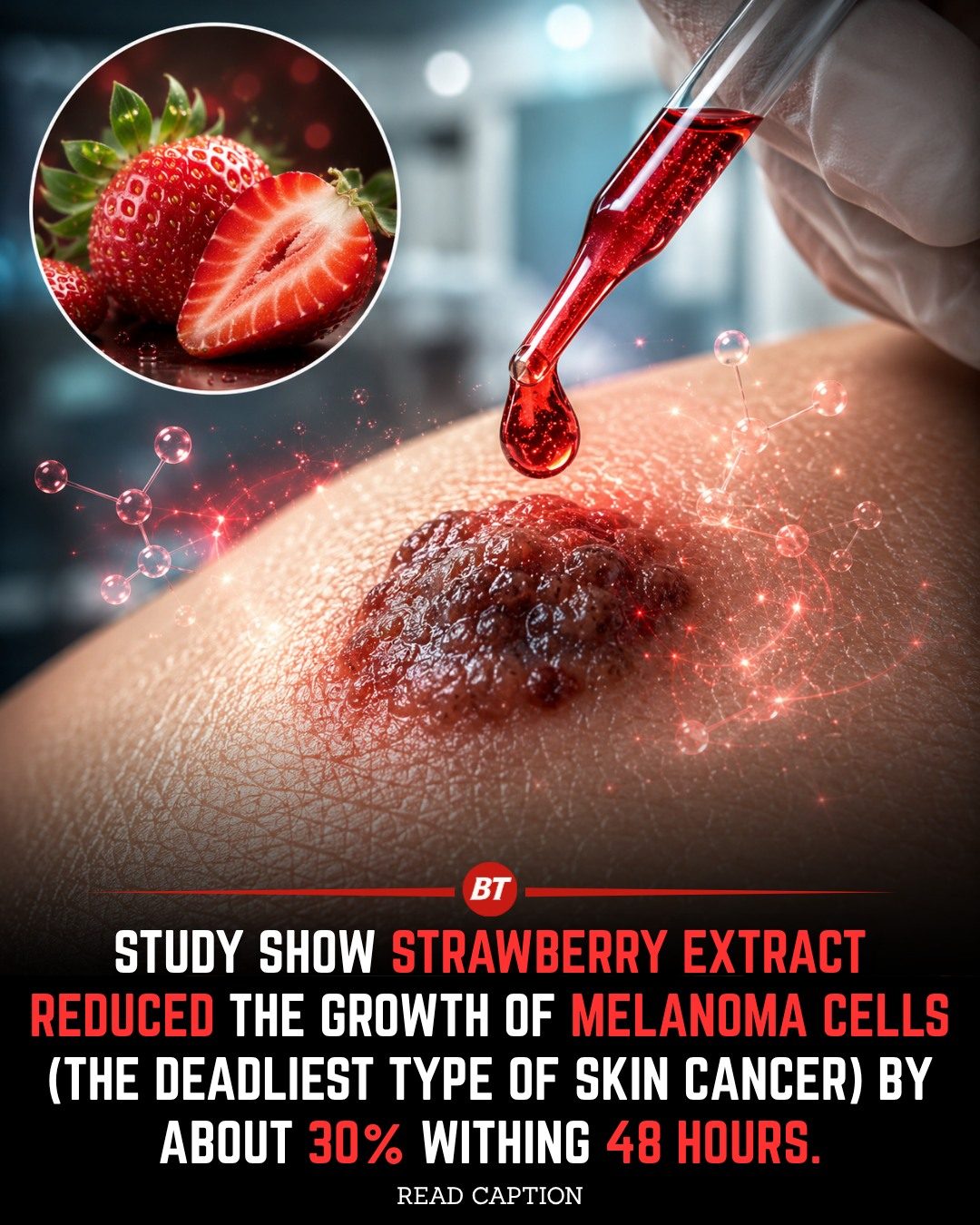
A close inspection of a red liquid extract on a backdrop of skin, accompanied by text stating that strawberry extract reduced the growth of melanoma cells, points to a promising area of research in skin health. Specifically, laboratory studies have shown that an extract made from strawberries can inhibit the growth of melanoma cells, the most deadly form of skin cancer.
Context / Why This Matters
The Importance of Skin Health and Cancer Prevention
Skin health is a critical aspect of overall well-being, and skin cancer is one of the most prevalent types of cancer. Melanoma, in particular, is the deadliest form of skin cancer, making up only about 1% of skin cancer cases but causing a significant number of skin cancer deaths. Understanding and mitigating the risk factors associated with melanoma, as well as exploring potential preventive measures, are essential for public health. With the prevalence of melanoma increasing, research into natural compounds that may offer protective benefits is a promising avenue.
The Role of Natural Compounds
Natural compounds, such as those found in fruits and vegetables, have long been studied for their potential health benefits. Strawberries, for instance, are known for their high vitamin C content, but they also contain a host of other beneficial compounds, including anthocyanins and polyphenols. These compounds have been shown to have antioxidant and anti-inflammatory properties, which may contribute to their potential health benefits.
Main Discussion
Anthocyanins and Polyphenols
Strawberries are rich in anthocyanins and polyphenols, which are known for their antioxidant and anti-inflammatory properties. In laboratory research, an extract made from strawberries has shown promise in slowing the growth of melanoma cells. Specifically, the extract reduced the cells' ability to multiply and lowered levels of polyamines, which are natural compounds that rapidly growing cancer cells rely on for growth and division. Moreover, the extract increased levels of tissue transglutaminase, a marker associated with cancer cells becoming more differentiated and potentially less aggressive.
Laboratory Findings
Researchers tested an anthocyanin-rich extract from cultivated strawberries on B16-F10 mouse melanoma cells. The results were striking: the extract not only reduced the cells' ability to multiply but also lowered levels of polyamines and increased the levels of tissue transglutaminase. Additionally, the extract changed the activity of over 100 proteins inside the melanoma cells. Several proteins involved in tumor progression, cancer metabolism, and the rapid energy production that cancer cells depend on were significantly reduced. This suggests that strawberry compounds may interfere with multiple pathways that help cancer cells survive.
Potential Mechanisms
The positive effects of strawberry extract on melanoma cells are largely attributed to the high concentration of anthocyanins and other polyphenols. These compounds have well-known antioxidant and anti-inflammatory properties, which may contribute to their potential anti-cancer effects. While the exact mechanisms are not fully understood, the laboratory findings suggest that strawberry compounds may interfere with multiple pathways that help cancer cells survive.
Practical Tips
Incorporating Strawberries into Your Diet
While the laboratory findings are promising, it's important to remember that this was a study on mouse melanoma cells, not a study in animals or humans. The findings do not mean that eating strawberries or taking strawberry extract can treat or prevent melanoma. However, incorporating strawberries into your diet as part of a balanced eating plan can provide a variety of health benefits, including fiber, vitamin C, and beneficial polyphenols.
Protecting Your Skin
The best-proven ways to reduce melanoma risk remain protecting your skin from excessive UV exposure, wearing sunscreen, and having suspicious moles checked by a healthcare professional. Natural compounds like those found in strawberries may offer additional benefits, but they should not be relied upon as the sole means of prevention.
Staying Informed
As research continues, it's important to stay informed about the latest findings and recommendations from healthcare professionals. While natural compounds like strawberry extract show promise, more research is needed to fully understand their potential benefits and how they can be integrated into a comprehensive approach to skin health and cancer prevention.
Important Takeaways
The Role of Natural Compounds in Skin Health
Natural compounds found in fruits and vegetables, such as anthocyanins and polyphenols in strawberries, may offer significant benefits for skin health and cancer prevention. These compounds have antioxidant and anti-inflammatory properties that can help protect cells from damage and reduce inflammation.
The Importance of a Balanced Diet
Incorporating a variety of fruits and vegetables into your diet can provide a range of health benefits. While strawberries are particularly rich in beneficial compounds, it's essential to maintain a balanced diet that includes a variety of nutrient-dense foods.
The Need for Further Research
Laboratory findings on strawberry extract and melanoma are promising, but more research is needed to fully understand the potential benefits and how they can be applied to human health. Future studies should focus on the mechanisms by which these compounds exert their effects and how they can be integrated into a comprehensive approach to skin health and cancer prevention.
Comprehensive Approach to Skin Health
A comprehensive approach to skin health should include protecting your skin from excessive UV exposure, wearing sunscreen, having suspicious moles checked by a healthcare professional, and maintaining a balanced diet rich in natural compounds.
Conclusion
Research into the health benefits of natural compounds, such as those found in strawberries, offers promising avenues for skin health and cancer prevention. While laboratory findings on strawberry extract and melanoma are encouraging, it's important to remember that more research is needed to fully understand the potential benefits and how they can be applied to human health. In the meantime, incorporating strawberries into a balanced diet and following a comprehensive approach to skin health can provide a range of health benefits and may offer additional protection against melanoma.
Watch the Reel
Questions readers ask
How does strawberry extract inhibit melanoma cell growth?
Strawberry extract contains compounds like anthocyanins and polyphenols, which have antioxidant and anti-inflammatory properties. These compounds have been shown in lab studies to interfere with the growth and proliferation of melanoma cells, making strawberry extract a subject of interest in cancer research.
What are the key compounds in strawberries that contribute to their cancer-fighting properties?
The primary compounds in strawberries that contribute to their potential cancer-fighting properties are anthocyanins and polyphenols. These compounds are known for their antioxidant and anti-inflammatory effects, which can help inhibit the growth of cancer cells, including melanoma.
Why is melanoma considered the most deadly form of skin cancer?
Melanoma is considered the most deadly form of skin cancer because it tends to spread quickly to other parts of the body if not caught early. It accounts for a significant number of skin cancer deaths, making up only 1% of skin cancer cases but causing a disproportionate number of fatalities.
What do lab studies indicate about strawberry extract and skin health?
Lab studies have shown that strawberry extract can inhibit the growth of melanoma cells, indicating that it may have benefits for skin health. The extract's ability to slow down the proliferation of these cancer cells suggests it could be a valuable area of research for potential cancer treatments and prevention methods.
Are there other potential benefits of strawberry polyphenols and anthocyanins?
Yes, in addition to their potential role in inhibiting melanoma cell growth, strawberry polyphenols and anthocyanins are associated with various health benefits. These include reducing inflammation, protecting against heart disease, and boosting overall immune function, making strawberries a valuable addition to a healthy diet.
What makes strawberry extract a promising area of research in cancer prevention?
Strawberry extract's ability to inhibit the growth of melanoma cells, as demonstrated in laboratory studies, makes it a promising area of research. The natural compounds in strawberries offer a potential avenue for developing new cancer treatments, particularly for skin cancer, with fewer side effects compared to traditional therapies.
How can incorporating strawberries into one's diet potentially support cancer prevention?
Incorporating strawberries into your diet can provide a natural source of antioxidants and anti-inflammatory compounds. These compounds, including anthocyanins and polyphenols, have been shown to have protective effects against various diseases, including cancer. While no single food can prevent cancer, a diet rich in fruits and vegetables like strawberries can support overall health and potentially reduce cancer risk.
Related deep dives
Similar reads based on topic and creator.


Recent articles
Fresh deep dives from the latest Reels we unpacked.




Comments
Be the first to comment.