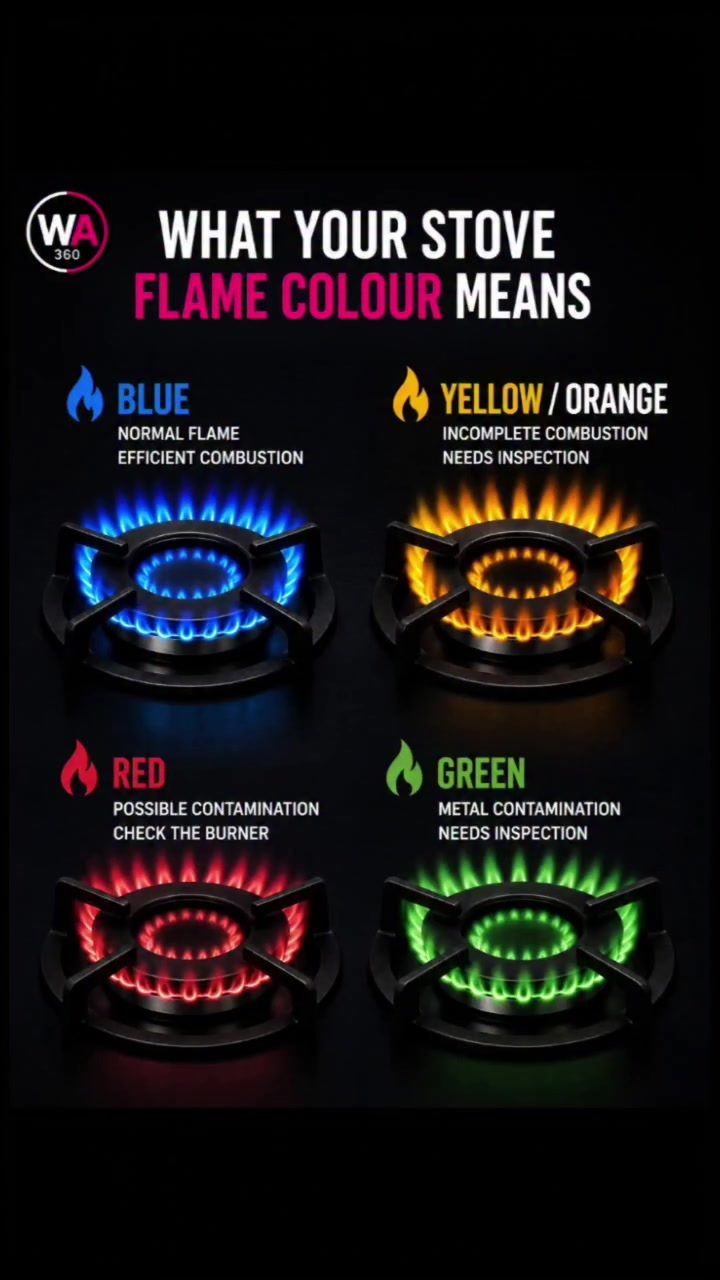
Stove Flame Colors: Decoding What Your Burner is Telling You
Understanding the color of your stove's flame is crucial for maintaining both the efficiency and safety of your cooking appliances. The hue of the flame can provide important insights into the combustion process and help you identify potential issues before they become serious problems.
Why This Matters
A well-functioning stove is essential for efficient cooking and maintaining a safe kitchen environment. Regular monitoring of your stove's flame color can help you:
- Ensure complete combustion, which maximizes fuel efficiency.
- Identify potential safety hazards, such as the production of harmful gases like carbon monoxide.
- Detect contamination or debris that could affect the performance and longevity of your stove.
Main Discussion
The Ideal Flame: Blue
A blue flame is the gold standard for stove burners. It indicates complete combustion, where all the gas is burned efficiently. This means:
- Maximum heat output.
- Optimal fuel efficiency.
- Reduced risk of harmful by-products like carbon monoxide.
Regardless of whether you have a gas stove or an electric one, working it to produce a blue flame means you're getting the most out of your appliance.
Incomplete Combustion: Yellow or Orange Flame
If your stove flame appears yellow or orange, it signals incomplete combustion. This can happen for several reasons, including:
- Poor air supply: The burner may not be getting enough oxygen to burn the gas completely.
- Dirty burner: Debris or grease buildup can obstruct the flow of gas and air, leading to incomplete combustion.
A yellow or orange flame should prompt you to inspect and clean your burner. Regular maintenance can prevent this issue and ensure that your stove operates safely and efficiently.
Contamination Alert: Red Flame
Seeing a red flame on your stove is a sign that something is amiss. It often indicates:
- Contamination: Debris, grease, or other foreign particles may be affecting the burner.
- Metal contamination: This can occur from certain chemicals or materials coming into contact with the burner.
A red flame warrants immediate attention. Check the burner for any visible contaminants and clean it thoroughly. If the issue persists, consider consulting a professional to inspect your stove.
Metal Contamination: Green Flame
A green flame is less common but equally concerning. It suggests:
- Metal contamination: Certain chemicals or materials may have contaminated the burner.
- Potential safety hazards: Just like a red flame, a green flame should be taken seriously.
If you notice a green flame, inspect the burner for any signs of contamination and take appropriate action. Regular cleaning and maintenance can help prevent this issue.
Practical Tips
To keep your stove in optimal condition, consider the following tips:
- Regular Cleaning: Clean your stove burners regularly to remove any debris or grease buildup. This helps maintain efficient combustion and reduces the risk of contamination.
- Proper Ventilation: Ensure that your stove has adequate ventilation to supply enough oxygen for complete combustion.
- Professional Inspection: If you notice any unusual flame colors or changes in your stove's performance, have it inspected by a qualified technician to ensure it operates safely and efficiently.
- Safety Precautions: Always follow safety guidelines when handling gas appliances. Never ignore unusual flame colors, as they can indicate potential hazards.
Important Takeaways
- Blue Flame: Ideal, indicating complete combustion and maximum efficiency.
- Yellow or Orange Flame: Signals incomplete combustion, often due to poor air supply or a dirty burner.
- Red Flame: Indicates possible contamination or debris affecting the burner.
- Green Flame: Suggests metal contamination, often from specific chemicals or materials.
- Regular Maintenance: Essential for keeping your stove safe and efficient.
Keeping an eye on your stove's flame color can save you time, money, and provide peace of mind. By understanding what each color means, you can address potential issues early and ensure your stove operates at its best.
Conclusion
Monitoring the color of your stove's flame is a simple yet effective way to maintain the efficiency and safety of your cooking appliances. By understanding the significance of different flame colors, you can take proactive steps to address any issues and ensure your stove operates at its best. Regular cleaning, proper ventilation, and professional inspections are key to keeping your stove in top condition. Stay informed, stay safe, and enjoy efficient cooking with a well-maintained stove.
Watch the Reel
Questions readers ask
What does a blue flame on my gas stove indicate?
A blue flame is a positive sign, indicating that your gas stove is operating efficiently. This color signifies optimal combustion, which means you're getting the best performance out of your stove while minimizing the risk of harmful gas emissions.
Why is a yellow or orange flame a cause for concern?
Yellow or orange flames can indicate incomplete combustion, which is not only inefficient but also potentially dangerous. These colors suggest that your stove may be producing carbon monoxide, a colorless, odorless gas that can be harmful. If you notice these flame colors, it's important to address the issue promptly.
What should I do if I see a red flame on my stove?
A red flame is a serious concern and requires immediate action. It typically indicates a severe issue with the combustion process, often due to a lack of oxygen. This can lead to the production of soot and carbon monoxide, and even a risk of fire. Turn off the stove, ensure the area is well-ventilated, and contact a professional for assistance.
Can a green flame on my stove be normal?
A green flame is not typical and should be investigated. It could be due to contaminants in the gas supply, or a technical problem with the stove. While it may not always indicate an immediate danger, it is best to have it checked by a professional to ensure your stove is functioning correctly and safely.
How can I improve the efficiency of my gas stove?
To enhance your gas stove's efficiency, ensure that the burner caps and ports are clean and free of debris. Regularly check the flame color to confirm it's burning blue, which signals complete combustion. Additionally, consider having your stove professionally serviced to maintain optimal performance and safety.
What are some common safety checks I should perform on my gas stove?
Regular safety checks for your gas stove should include inspecting the flame color, ensuring proper ventilation in the kitchen, and checking for any gas leaks. Also, keep the stove and surrounding areas clean to prevent contamination and debris buildup. If you notice any unusual smells, sounds, or flame behavior, address them immediately.
Recent articles
Fresh deep dives from the latest Reels we unpacked.




Comments
Be the first to comment.