Steve Jobs' Hiring Practice
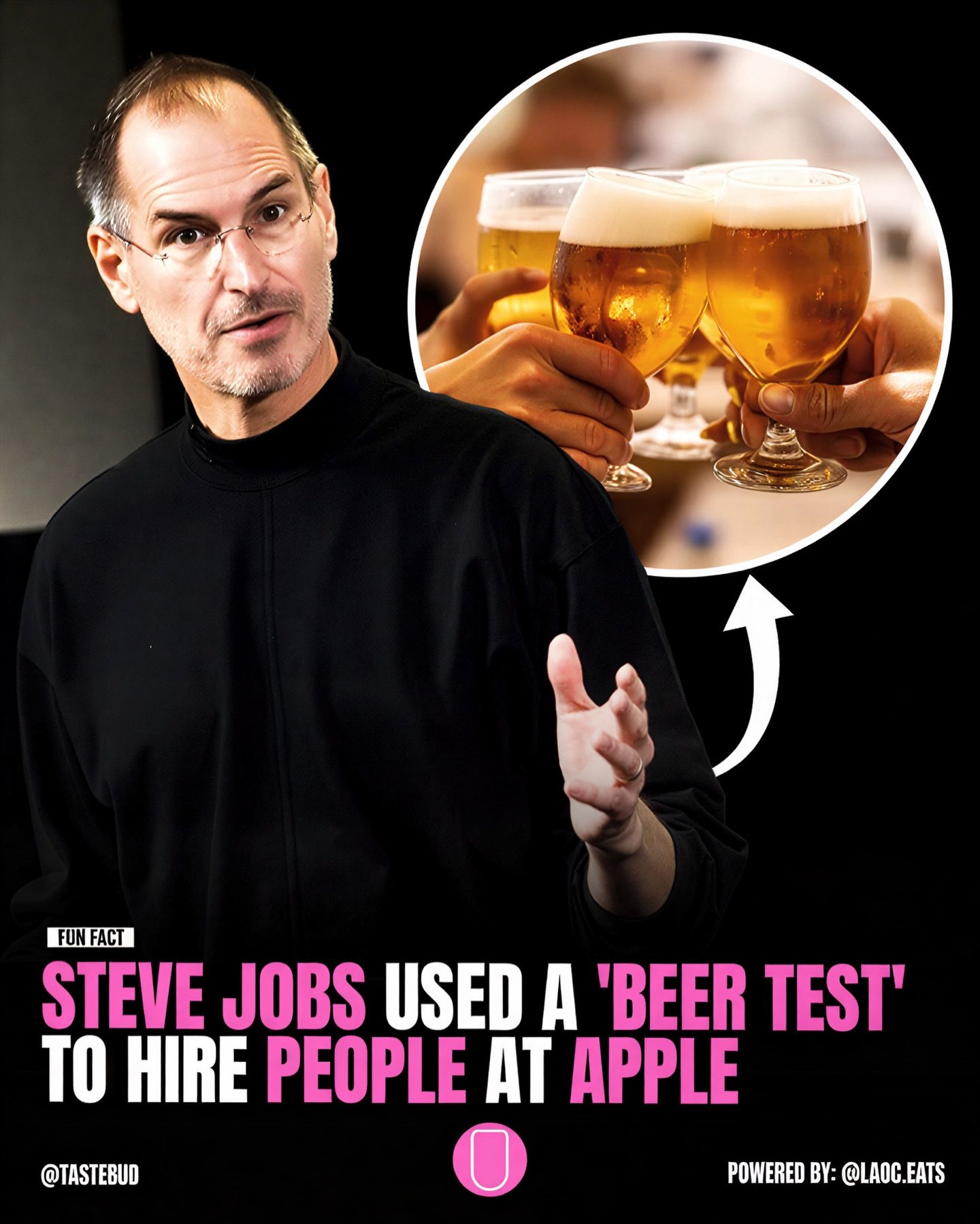
Steve Jobs was renowned for his unconventional approach to hiring. Unlike many other CEOs, he often relied less on formal interviews and resumes, and more on his "beer test." This practice involved taking candidates out for a relaxed setting, such as a beer or a walk, to gauge their personality, mindset, and compatibility with the company culture.
Why This Matters
Understanding Jobs' hiring methodology offers insights into the importance of cultural fit and mindset in building a cohesive and innovative team. His approach highlights that technical skills and experience, while important, are not the sole determinants of a candidate's suitability for a role. Instead, Jobs believed in the value of compatibility and curiosity, which are essential for fostering creativity and innovation at Apple.
Main Discussion
The Origin of the 'Beer Test'
The "beer test" was a term coined to describe Steve Jobs' method of evaluating potential hires. The idea was straightforward: Jobs would invite candidates out for a drink or a walk to observe how they interacted in a relaxed, informal setting. This approach allowed him to see beyond the polished resume and to assess how candidates thought and communicated outside of a structured interview environment. If Jobs couldn't imagine having a genuine conversation with someone outside a conference room, he likely wouldn't want to work with them inside one either.
The Culture at Apple
Apple's culture under Jobs was characterized by a relentless pursuit of innovation, creativity, and excellence. Jobs sought individuals who not only possessed the technical skills required for their roles but also aligned with this culture. He valued curiosity, passion, and a willingness to challenge the status quo. By taking candidates out for a beer, he could observe their thinking process, their problem-solving skills, and their ability to think outside the box.
Beyond Resumes
Jobs' approach was less about resumes and more about mindset and compatibility. He believed that a candidate's resume could only tell part of the story. Their true potential and fit within the company culture were better assessed through their behavior in a more informal setting. This method allowed him to identify individuals who could thrive in Apple's unique and demanding environment.
Evaluating Personality and Curiosity
Personality and curiosity were key factors in Jobs' hiring decisions. He believed that personality traits such as adaptability, empathy, and a genuine interest in the company's mission were as important as technical skills. Curiosity, in particular, was crucial. Jobs wanted individuals who were not just knowledgeable but also eager to learn and explore new ideas. This curiosity drove innovation and helped Apple consistently push the boundaries of technology.
The Importance of Compatibility
Compatibility with the company culture was another critical aspect of Jobs' hiring practice. He sought individuals who would not only perform well in their roles but also contribute positively to the overall work environment. By observing candidates in a relaxed setting, he could determine whether they would be a good fit for the team and whether their values aligned with those of the company.
Practical Tips
When implementing a hiring practice similar to Jobs', it's essential to consider the following tips:
Create a Relaxed Setting
Choose a setting that encourages candid conversation and allows candidates to be themselves. This could be a casual meeting over coffee, a walk in the park, or a meal at a restaurant. The idea is to create an environment where candidates feel comfortable and can interact naturally.
Focus on Conversation
The conversation should be open-ended, allowing the candidate to discuss their interests, experiences, and thoughts. Listen for their problem-solving skills, creativity, and adaptability. Pay attention to how they communicate and think on their feet, rather than relying on pre-rehearsed responses.
Look for Curiosity
Curiosity is a key trait to look for. Candidates who are genuinely interested in the field and the company's mission are more likely to be valuable additions to the team. Ask open-ended questions that encourage them to share their ideas and insights, and observe their enthusiasm and passion for the subject matter.
Assess Cultural Fit
Determine how well the candidate would fit into the existing team and company culture. Consider their values, work style, and communication preferences. A good cultural fit can lead to better collaboration, higher job satisfaction, and increased productivity.
Important Takeaways
Steve Jobs' hiring practice emphasized the importance of personality, curiosity, and cultural fit. By moving beyond traditional interviews and resumes, he was able to build a team that was not only highly skilled but also innovative and cohesive. This approach highlights the value of creating a work environment that fosters creativity and encourages continuous learning.
Conclusion
When it comes to hiring, resumes and formal interviews are just a starting point. Steve Jobs' "beer test" underscores the importance of assessing candidates' mindset, curiosity, and compatibility with the company culture. By taking the time to understand how individuals think and interact in a relaxed setting, companies can build teams that are innovative, cohesive, and driven by a shared vision. This approach, while unconventional, offers valuable insights into the importance of compatibility and curiosity in the hiring process.
Watch the Reel
Questions readers ask
What exactly is Steve Jobs' 'beer test' hiring method?
Steve Jobs' 'beer test' hiring method involves meeting candidates in casual environments, like over a beer or a walk, to evaluate their personality, mindset, and compatibility with the company culture, rather than relying solely on resumes and formal interviews.
Why did Steve Jobs prefer informal hiring strategies?
Steve Jobs believed that informal settings provided a more accurate assessment of a candidate's cultural fit and curiosity, which he valued highly in building a cohesive and innovative team.
How did Steve Jobs' hiring philosophy differ from traditional methods?
Unlike traditional hiring methods, Jobs focused less on technical skills and experience listed on resumes. Instead, he prioritized assessing the candidate's personality and compatibility with the team and company culture.
Can the 'beer test' method be applied to all types of jobs?
The 'beer test' method is more suited for roles where cultural fit, curiosity, and innovation are crucial. It might not be as effective for positions that require specific technical skills and experience, where a more traditional interview process is necessary.
What does Steve Jobs' hiring technique reveal about his management style?
Steve Jobs' hiring technique reveals that he prioritized a team environment that valued curiosity and cultural fit. He believed that a cohesive team with a shared mindset could drive innovation and success, which aligns with his overall managerial philosophy.
How can companies implement a hiring process similar to the 'beer test'?
To implement a hiring process similar to the 'beer test,' companies should incorporate informal, relaxed settings to observe how candidates interact and behave. While this should not replace traditional interviews, it can provide valuable insights into the candidate's personality and cultural fit.
What are the potential drawbacks of using the 'beer test' hiring method?
The 'beer test' might not be effective for assessing technical skills and may lead to biases that affect the fairness of the hiring process. It is important to balance informal assessments with more structured interviews to ensure a comprehensive evaluation of candidates.
Related deep dives
Similar reads based on topic and creator.


Recent articles
Fresh deep dives from the latest Reels we unpacked.




Comments
Be the first to comment.