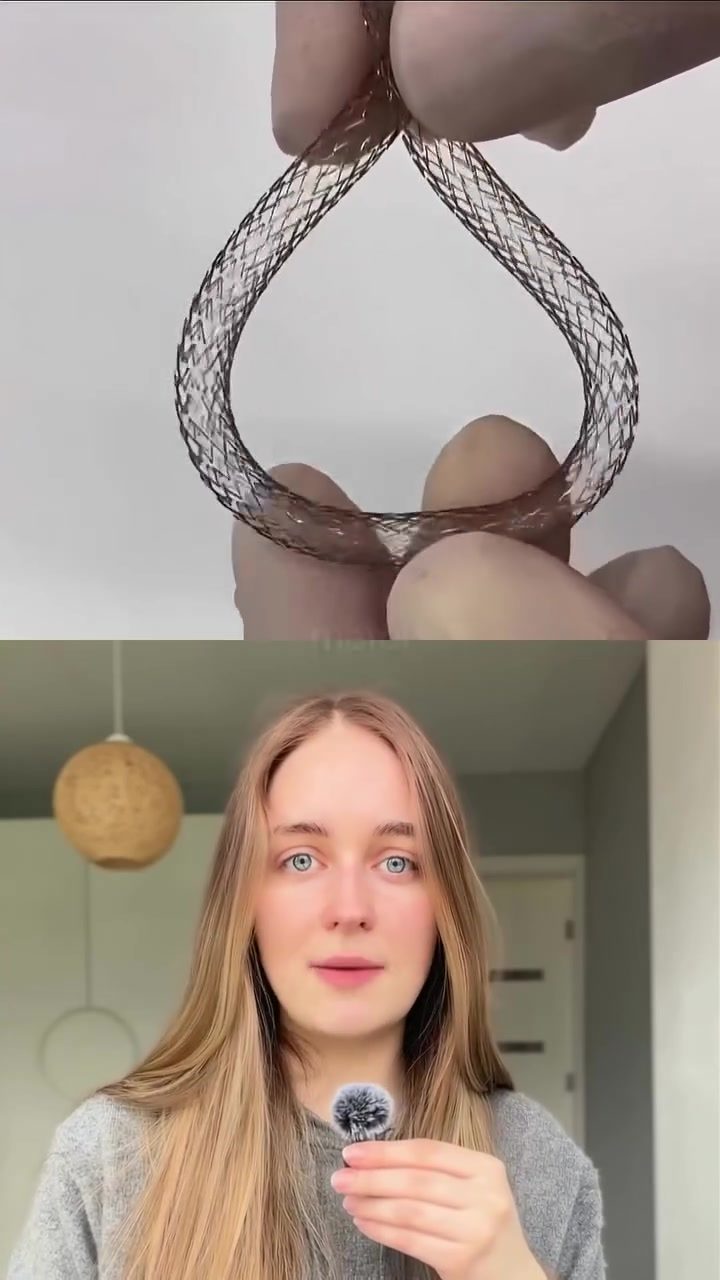
Stents: The Spring-Like Metal Tubes Revolutionizing Modern Medical Engineering
Stents are precisely engineered, spring-like metal tubes that have emerged as a pivotal innovation in modern medical engineering. Their design and functionality make them indispensable in treating cardiovascular conditions. Understanding what stents are and how they work provides a fascinating glimpse into the intersection of engineering and medicine.
Why This Matters
The primary function of a stent is to keep a blood vessel open when it starts to narrow, which can be crucial in the treatment of conditions like coronary artery disease. Stents are not just ingenious inventions; they are lifesaving devices that operate under extraordinary conditions inside the human body. Their design is meticulously crafted to withstand the constant movement and friction within the body, ensuring they perform reliably over time.
The Innovation Behind Stents
Precision Engineering
At first glance, a stent appears to be a delicate metal mesh, seemingly woven from many thin threads. In reality, it is a single, solid structure cut from a metal tube with remarkable precision. This precision is achieved through laser cutting, a technique that allows for the creation of intricate patterns and shapes with exceptional accuracy. The laser cuts the metal line by line, resulting in a structure that can be compressed, deformed, and bent for extended periods, yet return to its original shape every time.
The Importance of a Single-Piece Design
The single-piece design of a stent is crucial for its functionality. Initially, attempts were made to create stents from individual metal threads. However, this approach proved problematic. The constant movement within the body, particularly the friction caused by each heartbeat, would cause the woven wires to rub against the artery walls. This friction leads to an uneven shape, inflammation, and a high risk of failure. By laser-cutting the stent from a solid blank, the design eliminates these contact points and creates a more uniform and reliable structure.
Functionality and Application
Stents function by applying gentle, constant pressure from within the artery, much like a perfectly controlled spring. This pressure helps keep the blood vessel open, allowing for unimpeded blood flow. The stent's design is ingeniously simple, yet highly effective. It ensures that even in a high-friction, moving environment, the stent maintains its shape and functionality.
The Role of Laser Cutting
Laser cutting is integral to the creation of stents. This technology allows for the precise and efficient cutting of the metal, ensuring that the stent's structure is both durable and flexible. The laser can cut intricate patterns with jeweler's precision, making it possible to create a stent that can flex inside an artery and still return to its exact shape.
Practical Tips for Understanding Stents
Key Features to Look For
When considering the effectiveness of a stent, several key features are crucial:
- Material: Typically made from medical-grade metals like stainless steel or nitinol, which provide both strength and flexibility.
- Design: The single-piece, laser-cut design is essential for reliability and durability.
- Flexibility: The stent must be able to flex and return to its original shape, ensuring it can adapt to the constant movement within the body.
- Surface Finish: A smooth surface finish helps minimize friction and reduce the risk of inflammation.
Importance of Proper Placement
The successful deployment of a stent requires precise placement within the artery. This is typically achieved through minimally invasive procedures, such as angioplasty, where a catheter is used to guide the stent to the correct position. Proper placement ensures that the stent can effectively keep the blood vessel open, allowing for optimal blood flow.
Maintenance and Follow-Up
Like any medical device, stents require follow-up care to ensure their long-term effectiveness. Regular check-ups and monitoring can help detect any issues early, allowing for prompt intervention. Patients may also be advised to make lifestyle changes, such as adopting a healthier diet and increasing physical activity, to support the stent's function and overall cardiovascular health.
Important Takeaways
The innovation of stents represents a significant advancement in medical engineering. Their unique design, combining precision engineering and medical necessity, makes them an essential tool in treating cardiovascular conditions. Understanding how stents work and their practical applications can provide valuable insights into modern medical engineering and its impact on patient care.
Conclusion
Stents are a testament to the innovative capabilities of modern medical engineering. Their precision-engineered, spring-like structure and functionality make them indispensable in treating cardiovascular conditions. By understanding the intricacies of their design and application, we can appreciate the level of ingenuity and precision required to create devices that improve and save lives.
Watch the Reel
Questions readers ask
What are the primary materials used in the construction of stents?
Stents are typically made from biocompatible metals like stainless steel, cobalt-chromium alloys, or nitinol, a nickel-titanium alloy. These materials are chosen for their strength, flexibility, and resistance to corrosion, ensuring reliable performance within the body.
How are stents designed to keep blood vessels open?
Stents are engineered with a unique, spring-like design that allows them to be inserted in a compressed state and then expanded once in place. This expansion helps to push against the walls of the blood vessel, keeping it open and maintaining blood flow.
What role do stents play in treating coronary artery disease?
In the treatment of coronary artery disease, stents are used to open narrowed or blocked arteries, restoring blood flow to the heart. They are often deployed during procedures like angioplasty, where a balloon is first used to widen the artery before the stent is placed.
What are some of the different types of stent designs?
Stents come in various designs, including laser-cut stents, which are precision-cut from a metal tube, and woven wire stents, which are made from intertwined metal wires. Each design offers unique advantages in terms of flexibility, strength, and deployment.
How are stents deployed in cardiovascular procedures?
Stents are typically deployed using a catheter-based delivery system. The stent is mounted on a balloon catheter, guided to the target site, and then inflated to expand the stent and open the blood vessel. Once expanded, the stent remains in place, providing long-term support to the vessel.
What is the significance of stent performance in cardiovascular health?
Stent performance is crucial for maintaining cardiovascular health. Reliable stents ensure that blood vessels remain open, reducing the risk of complications like restenosis (re-narrowing of the artery) and improving long-term patient outcomes.
Recent articles
Fresh deep dives from the latest Reels we unpacked.




Comments
Be the first to comment.