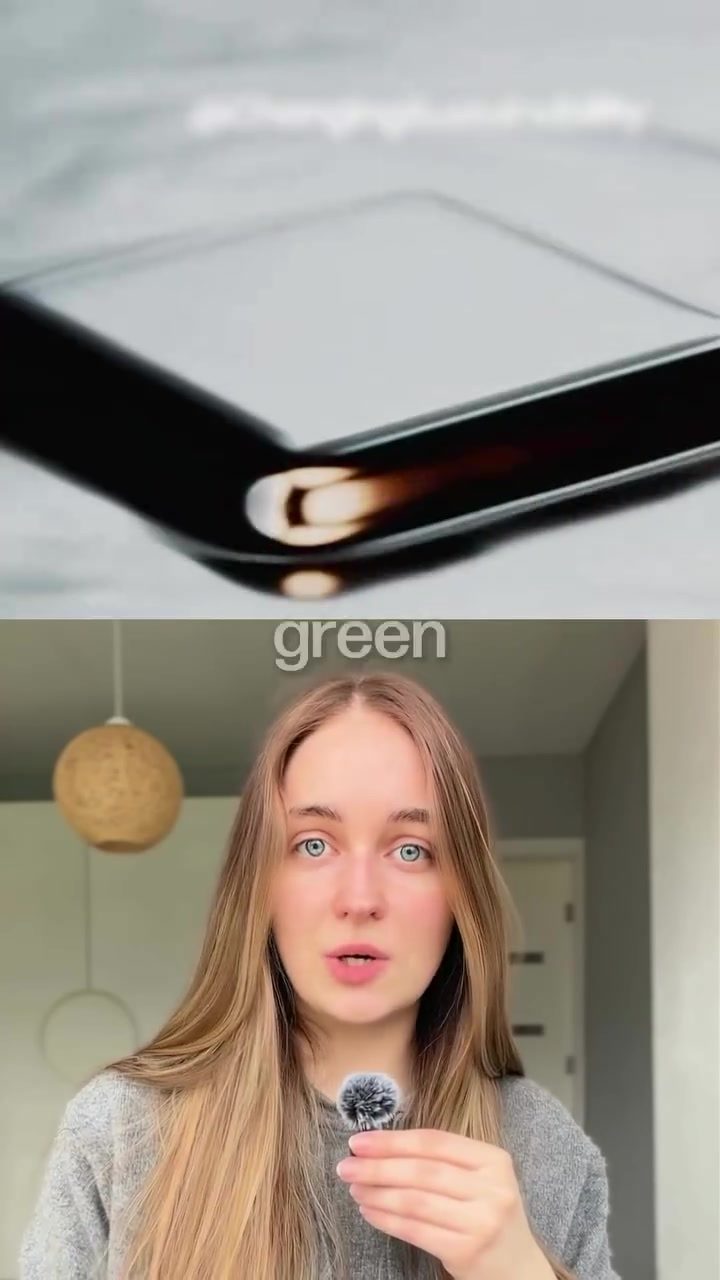
Green Steel: A Revolutionary Solution to Decarbonize Steel Production
Green steel technology, pioneered by the Swedish startup Stegra, is revolutionizing one of the world's most carbon-intensive industries. By utilizing green hydrogen instead of coal, this innovative process significantly reduces carbon emissions, offering a sustainable path forward for steel production.
Why This Matters
The steel industry is a massive contributor to global carbon emissions, accounting for up to 9% of the total. Traditional steel production methods, which have remained largely unchanged for over two centuries, rely heavily on coal, leading to substantial greenhouse gas emissions. Stegra's breakthrough technology addresses this critical issue by replacing coal with green hydrogen, which is produced using renewable electricity. This shift not only reduces carbon emissions by 95% but also results in a cleaner, more sustainable steel manufacturing process.
The Green Steel Revolution
The Traditional Steel Production Process
Traditional steel production involves burning coal, which releases a tremendous amount of carbon dioxide (CO2) into the atmosphere. This process, known as the Basic Oxygen Furnace (BOF) or Electric Arc Furnace (EAF), has been the standard for over 200 years. While it is efficient in producing steel, it is far from environmentally friendly. The high carbon emissions associated with this method have made steel production one of the dirtiest industries on Earth.
The Innovative Approach of Stegra
Stegra's green steel technology turns this on its head. Instead of burning coal, the process uses green hydrogen. This hydrogen is generated through electrolysis, a process that splits water molecules into hydrogen and oxygen using renewable electricity. The green hydrogen is then used to reduce iron oxide to iron, effectively producing steel. This method not only eliminates the need for coal but also ensures that the byproducts are steam and water, rather than harmful CO2 emissions.
The Impact of Green Steel
The environmental impact of green steel is profound. By replacing coal with green hydrogen, Stegra's process results in steel that has 95% fewer carbon emissions compared to traditionally produced steel. This technology not only reduces the carbon footprint of the steel industry but also provides a viable solution for decarbonizing one of the world's largest polluters. Major companies like Microsoft have already announced their commitment to using this green steel, signaling a growing trend toward more sustainable industrial practices.
Practical Tips for Adopting Green Steel
For companies looking to transition to green steel, several practical steps can be taken:
Assess Your Supply Chain
Begin by evaluating your current supply chain and identifying areas where traditional steel is used. Look for opportunities to replace conventional steel with green steel alternatives. This might involve partnering with suppliers who are already committed to sustainable practices or encouraging your existing suppliers to adopt green steel technologies.
Engage with Innovators
Reach out to companies like Stegra, who are at the forefront of green steel innovation. Engaging with these innovators can provide insights into the latest technologies and best practices for adopting green steel. Additionally, collaborating with these companies can help you stay ahead of regulatory changes and industry trends.
Communicate Your Commitment
Share your commitment to sustainability with your stakeholders, including customers, investors, and employees. Highlight the environmental benefits of green steel and how your company is contributing to a greener future. This transparency can enhance your brand reputation and attract environmentally conscious partners and customers.
Important Takeaways
Green Steel is a Game-Changer
Green steel technology is a groundbreaking development that has the potential to transform the steel industry. By significantly reducing carbon emissions, green steel offers a sustainable solution to one of the world's most polluting industries. Companies like Stegra are leading the way in this revolution, and their success signals a promising future for sustainable steel production.
Sustainable Practices Are Within Reach
Adopting green steel is not just an environmental imperative; it is also a practical and achievable goal. Companies can take concrete steps to transition to green steel, from assessing their supply chain to collaborating with innovative startups. These actions can lead to significant reductions in carbon emissions and a more sustainable future.
Future of Industrial Sustainability
The future of industrial sustainability lies in the hands of innovators like Stegra, who are pioneering new technologies to address environmental challenges. By embracing green steel, companies can contribute to a cleaner, greener world while maintaining their operational efficiency and competitiveness. The journey towards a sustainable future is underway, and green steel is a critical step in that direction.
Conclusion
The advent of green steel technology is a monumental shift in the steel industry's approach to sustainability. By replacing coal with green hydrogen, Stegra and other innovators are paving the way for a cleaner, greener future. The benefits are clear: reduced carbon emissions, a more sustainable production process, and a significant step towards decarbonizing one of the world's dirtiest industries. Companies that embrace this technology are not only contributing to environmental preservation but also positioning themselves as leaders in a sustainable future.
Watch the Reel
Questions readers ask
What is green steel and how does it differ from traditional steel production?
Green steel is produced using green hydrogen instead of coal, making the process significantly more sustainable. Unlike traditional methods, which have remained largely unchanged for centuries, green steel production reduces carbon emissions by up to 95%. This process involves utilizing green hydrogen, which is produced from renewable sources, to power the steelmaking process.
How does Stegra's technology contribute to the decarbonization of the steel industry?
Stegra's innovative technology replaces coal with green hydrogen in the steelmaking process. This switch dramatically reduces carbon emissions, as green hydrogen is produced from renewable sources and does not release carbon dioxide during combustion. By implementing this technology, the steel industry can significantly lower its carbon footprint and move towards more sustainable practices.
What are the benefits of using green hydrogen in steel production?
Using green hydrogen in steel production offers several benefits, including a 95% reduction in carbon emissions. Additionally, green hydrogen can reduce the steel industry's reliance on fossil fuels. This also helps to mitigate global warming effects and improve air quality. By adopting green hydrogen, the steel industry can align with global sustainability goals and contribute to a cleaner, more environmentally friendly future.
Why is the steel industry a significant source of carbon emissions?
The steel industry is a significant source of carbon emissions due to its reliance on coal for energy and as a reducing agent in the steelmaking process. Traditional methods, which have been in use for over two centuries, involve burning large amounts of coal, leading to substantial greenhouse gas emissions. By transitioning to green hydrogen, the industry can greatly reduce these emissions and become more sustainable.
How does Stegra's approach compare to other methods of decarbonizing steel production?
Stegra's approach stands out due to its focus on replacing coal with green hydrogen, which is produced from renewable sources. This method significantly reduces carbon emissions and offers a more sustainable path forward for the steel industry. While other methods may involve carbon capture and storage or the use of electricity from renewable sources, Stegra's direct replacement of coal with green hydrogen provides a straightforward and effective solution to decarbonize steel production.
Related deep dives
Similar reads based on topic and creator.
Recent articles
Fresh deep dives from the latest Reels we unpacked.




Comments
Be the first to comment.