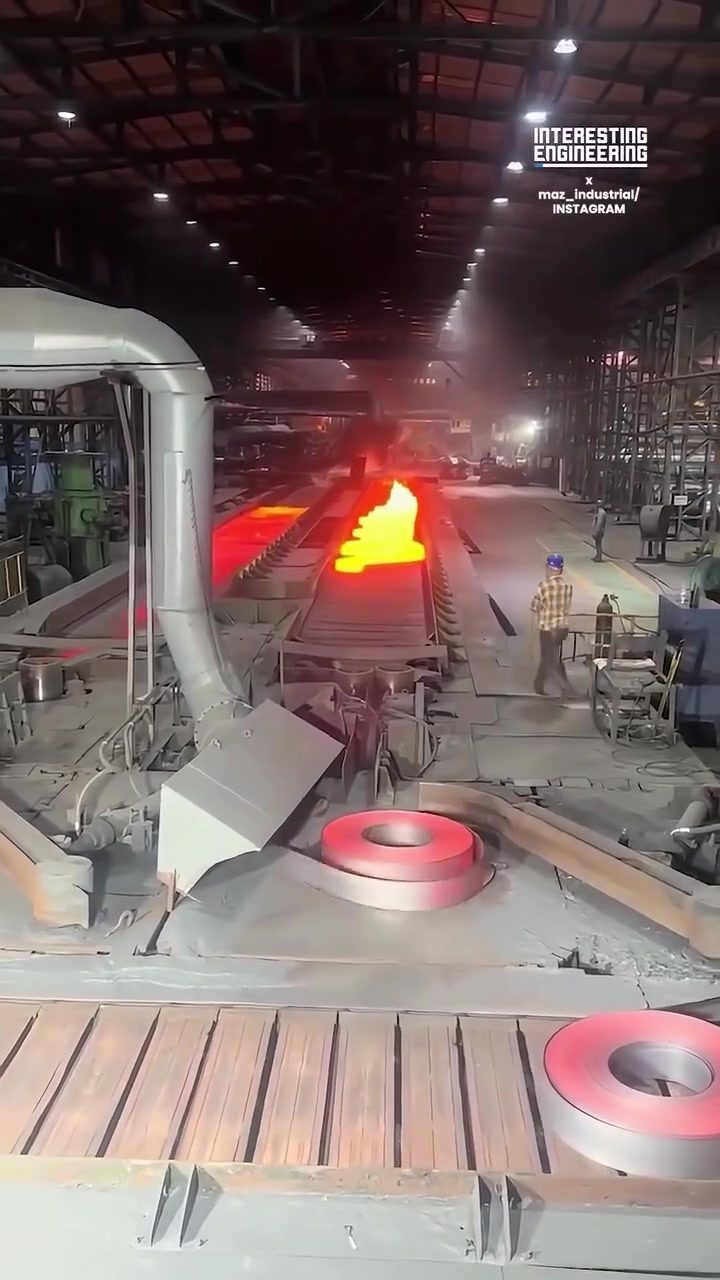
The Steel Rolling Process: Transforming Molten Metal into Usable Forms
Steel rolling is a crucial step in the manufacturing of steel products. This process involves transforming steel slabs into strips through continuous rolling, a method that requires precise monitoring and guidance to ensure the material is shaped correctly. Workers play a pivotal role in this high-temperature processing, ensuring that the steel is appropriately formed and cooled.
Context: Why This Matters
The steel rolling process is essential in the production of various steel products, from beams and rails to sheets and strips. Understanding this process provides insight into the industrial machinery and techniques used in modern manufacturing. It highlights the importance of continuous rolling and high-temperature processing, which are critical for producing high-quality steel products.
Main Discussion
The Steel Rolling Mill
A steel rolling mill is a key piece of industrial machinery designed to roll and reduce the thickness of large, solid blocks of metal, or to make the metal thinner and longer. The process begins with pouring molten steel onto a track. As the steel cools, it is rolled through a series of large rotating wheels, which gradually shape it into the desired form. The continuous rolling process ensures that the steel is evenly distributed and free from defects, making it suitable for various applications.
The Role of Continuous Rolling
Continuous rolling is a method that involves the constant movement of the steel through the rolling mill. This technique allows for a more efficient and consistent production process, as the material is continuously fed through the rollers, ensuring uniform thickness and shape. Continuous rolling is particularly important in high-temperature processing, where the steel must be shaped quickly before it cools and hardens.
High-Temperature Processing
High-temperature processing is a critical aspect of the steel rolling process, as it allows the steel to be shaped more easily. At high temperatures, the steel becomes malleable, making it easier to roll and shape. Workers must carefully monitor and guide the material during this stage to ensure it is shaped correctly and to prevent any defects or deformities.
The Importance of Worker Monitoring
Workers play a crucial role in the steel rolling process, as they are responsible for monitoring and guiding the material through the rolling mill. They must ensure that the steel is evenly distributed and free from defects, which can compromise the final product's quality. Workers use specialized tools and techniques to shape the steel and ensure it meets the required specifications.
Key Steps in the Process
-
Pouring Molten Steel: The process begins with pouring molten steel onto a track. The steel is then allowed to cool slightly before being fed into the rolling mill.
-
Rolling the Steel: The steel is then rolled through a series of large rotating wheels, which gradually shape it into the desired form. The continuous rolling process ensures that the steel is uniformly distributed and free from defects.
-
Monitoring and Guiding: Workers carefully monitor and guide the material during the high-temperature processing stage, ensuring it is shaped correctly and meets the required specifications.
-
Cooling and Finishing: After the steel has been shaped, it is cooled and finished to remove any excess material or defects. The final product is then ready for use in various applications.
Practical Tips
Safety Considerations
Working with high-temperature steel and large industrial machinery requires strict safety precautions. Workers should always wear appropriate protective gear, including heat-resistant clothing, gloves, and safety glasses. They should also be trained in emergency procedures in case of accidents or malfunctions.
Quality Control
Quality control is essential in the steel rolling process to ensure that the final product meets the required specifications. Regular inspections and testing should be conducted to identify any defects or inconsistencies in the material. Workers should be trained to recognize and address these issues promptly.
Important Takeaways
The steel rolling process is a critical step in the manufacturing of steel products. It involves transforming steel slabs into strips through continuous rolling and high-temperature processing. Workers play a pivotal role in monitoring and guiding the material, ensuring it is shaped correctly and free from defects. Understanding this process provides valuable insights into the industrial machinery and techniques used in modern manufacturing.
Conclusion
The steel rolling process is a fascinating and essential part of steel manufacturing. From pouring molten steel onto a track to shaping it through continuous rolling, each step plays a crucial role in producing high-quality steel products. Workers' monitoring and guidance are vital in ensuring the material is shaped correctly and meets the required specifications. By understanding this process, we gain a deeper appreciation for the intricate techniques and machinery involved in modern industrial manufacturing.
Watch the Reel
Questions readers ask
What is the primary purpose of the steel rolling process?
The primary purpose of the steel rolling process is to transform steel slabs into various shapes and sizes, such as beams, rails, and sheets, for industrial applications. This is achieved through a series of rolling steps that shape the steel as it cools, ensuring the final product meets required specifications, such as thickness, length, and shape.
What role do workers play in the steel rolling process?
Workers in the steel rolling process are responsible for monitoring and guiding the steel through the rolling mill machinery. They ensure that the steel is shaped correctly by adjusting the rolling mill machines, observing the high-temperature process, and handling the cooling phase to produce high-quality steel products.
What are steel slabs and how are they used in the steel rolling process?
Steel slabs are thick, rectangular pieces of steel that are created from molten metal. In the steel rolling process, these slabs are continuously rolled and shaped into thinner strips or other forms, such as beams or sheets, for various industrial uses. The transformation from slabs to usable shapes is crucial in steel production.
What is continuous steel rolling and why is it important?
Continuous steel rolling is a method where steel slabs are progressively reduced in thickness as they move through a series of rolling mill stands. This continuous process improves efficiency and ensures the steel is shaped and cooled evenly, resulting in high-quality, consistent products for industrial applications.
How is the high-temperature steel rolling process managed?
The high-temperature steel rolling process is managed through precise control of the rolling mill machinery and careful monitoring of the steel as it passes through. Workers adjust the rolling mill machines to shape the steel, ensuring it cools appropriately to prevent defects, and maintain high productivity and quality standards.
What are the key benefits of the steel rolling process in industrial steel production?
The steel rolling process enables the production of a wide range of steel shapes and sizes tailored to specific industrial uses. This process ensures that the steel is shaped and cooled efficiently, enhancing the durability and performance of the final steel products, such as beams, rails, and sheets.
What are rolling mill machines and what is their role in the steel rolling process?
Rolling mill machines are industrial machines used to shape steel slabs into desired forms. They consist of a series of rollers that progressively reduce the thickness and shape the steel as it passes through. These machines are essential for achieving the precise dimensions and qualities required for various industrial steel products.
Related deep dives
Similar reads based on topic and creator.

Recent articles
Fresh deep dives from the latest Reels we unpacked.




Comments
Be the first to comment.