U.S. Housing Market Trends 2024
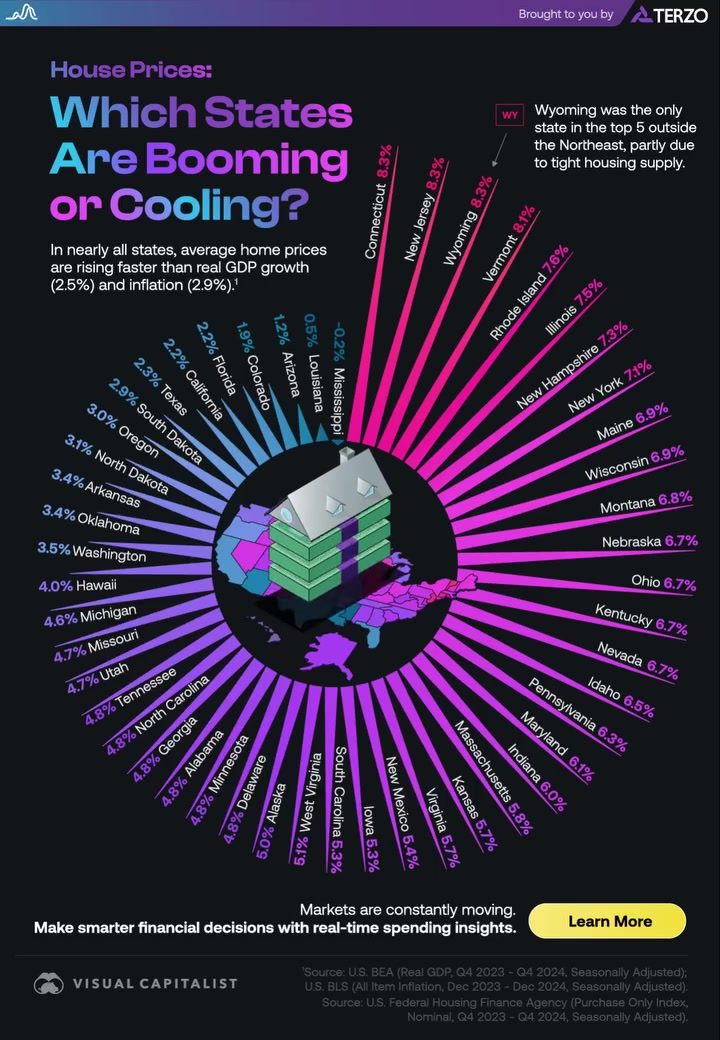
The U.S. housing market experienced a 4.5% increase in prices from the fourth quarter of 2023 to the fourth quarter of 2024, highlighting a dynamic landscape with some states booming and others cooling. Let's dive into the trends that shaped this period and explore the key factors influencing these changes.
Why This Matters
Understanding the shifts in housing prices across different states is crucial for homebuyers, sellers, and investors. The data can help stakeholders make informed decisions, whether they are looking to buy, sell, or invest in real estate. Additionally, the trends provide insights into broader economic conditions, such as local job markets, population growth, and interest rates.
Key Trends
Overall Market Growth
The overall 4.5% increase in home prices nationwide reflects a robust market. However, this average masks significant regional variations. Some states saw substantial price increases, while others experienced declines or modest growth.
State-Specific Performance
Several states stood out with notable price changes:
- Connecticut and New Jersey led the pack with an 8.3% increase in home prices. This significant growth can be attributed to factors like strong local economies, low inventory, and high demand.
- Wyoming, the only state outside the Northeast to experience substantial growth, saw an 8.1% increase. Tight housing supply and high demand were cited as key drivers.
- Illinois and Nevada also saw notable growth, with home prices increasing by 7.5%. Both states have seen economic improvements and population growth, which can drive demand for housing.
- Idaho, Pennsylvania, Indiana, Kansas, Virginia, and New Mexico showed moderate increases, ranging from 5.3% to 6.5%.
Factors Influencing Price Changes
Several factors contributed to the varying trends across states:
- Economic Conditions: States with strong economic performance, such as job growth and population increases, often saw higher home price appreciation.
- Housing Supply: Tight supply in areas like Wyoming and Connecticut pushed prices upwards due to high demand and limited inventory.
- Population Growth: Areas experiencing significant population growth, such as Idaho and Nevada, saw increased demand for housing, leading to higher prices.
- Interest Rates: Fluctuations in mortgage interest rates can influence affordability and, consequently, home prices.
Practical Tips
For Homebuyers
- Research Local Trends: Before investing, understand the specific trends and factors influencing the local market.
- Consider Supply and Demand: Look for areas with a tight supply and high demand, which can drive future price increases.
- Evaluate Economic Factors: States with strong economic growth and job opportunities are likely to see sustained or increased demand for housing.
For Homeowners
- Stay Informed: Keep an eye on market trends to make informed decisions about selling or refinancing.
- Assess Local Factors: Understand how local economic conditions, population growth, and supply and demand dynamics affect your property value.
- Consider Renting vs. Selling: If prices in your area are declining, you might consider renting your property or waiting for a more favorable market.
Important Takeaways
The housing market remains dynamic, with significant variations across different states. Understanding these trends and the underlying factors can help buyers, sellers, and investors make informed decisions. Key takeaways include:
- Economic Conditions: Strong economies drive demand and price growth.
- Supply and Demand: Tight supply and high demand can lead to significant price increases.
- Population Growth: Areas with high population growth often see increased demand for housing.
Conclusion
The 2024 housing market trends highlight the importance of understanding regional variations and the factors driving price changes. Whether you are a homebuyer, seller, or investor, staying informed about local trends and broader economic conditions is essential for making smart real estate decisions. As markets constantly evolve, keeping an eye on emerging trends will help you navigate the housing landscape more effectively.
Watch the Reel
Questions readers ask
Which states saw the most significant increases in housing prices from 2023 to 2024?
Connecticut and New Jersey were among the states that experienced the most substantial growth in housing prices. Connecticut, in particular, showed notable increases, driven by factors such as strong local economic conditions and a high demand for housing. Similarly, New Jersey's housing market saw significant growth, influenced by its proximity to major urban centers and a robust job market.
How did the housing market in Wyoming fare during this period?
Wyoming's housing market experienced moderate to cooling trends. This can be attributed to various factors, including local economic conditions, housing supply, and population growth. For instance, changes in energy industries can influence housing prices, as the state's economy is heavily reliant on this sector.
What factors influenced the overall 4.5% increase in U.S. housing prices?
The overall 4.5% increase in U.S. housing prices was influenced by a mix of local economic conditions, population growth, and housing supply. Some regions saw higher demand due to job opportunities and a growing population, while others faced a shortage of houses, which drove prices up. Seasonal adjustments also played a role in shaping these trends.
Which states should buyers and sellers focus on for potential investment opportunities?
States like Connecticut and New Jersey are particularly attractive for those looking to invest and make significant gains. On the other hand, states like Wyoming might be good for those looking for opportunities in more stable or potentially undervalued markets. It's crucial to assess local market conditions, economic indicators, and housing supply before making decisions.
How do housing supply and demand affect state housing market trends?
Housing supply and demand play a critical role in state housing market trends. In areas with high demand and limited supply, prices tend to rise sharply, as seen in Connecticut and New Jersey. Conversely, regions with an oversupply of housing or declining demand may experience price stagnation or decreases, as observed in some cooling markets.
What trends should homeowners and investors watch for in 2024?
Homeowners and investors should monitor trends such as local economic growth, changes in interest rates, and population shifts. Keeping an eye on housing supply and demand dynamics will also be crucial. For instance, a surge in new construction projects could ease housing shortages and stabilize prices, while economic downturns could lead to declines in housing prices.
Which states experienced a decline in housing prices during this period?
While the article highlights states with significant growth, it also mentions that some regions showed moderate or declining trends. To identify specific states with declining prices, you would need to look at detailed reports or analyses that break down housing price changes on a state-by-state basis. Such information can help buyers and investors pinpoint areas where prices may be more favorable.
Recent articles
Fresh deep dives from the latest Reels we unpacked.




Comments
Be the first to comment.