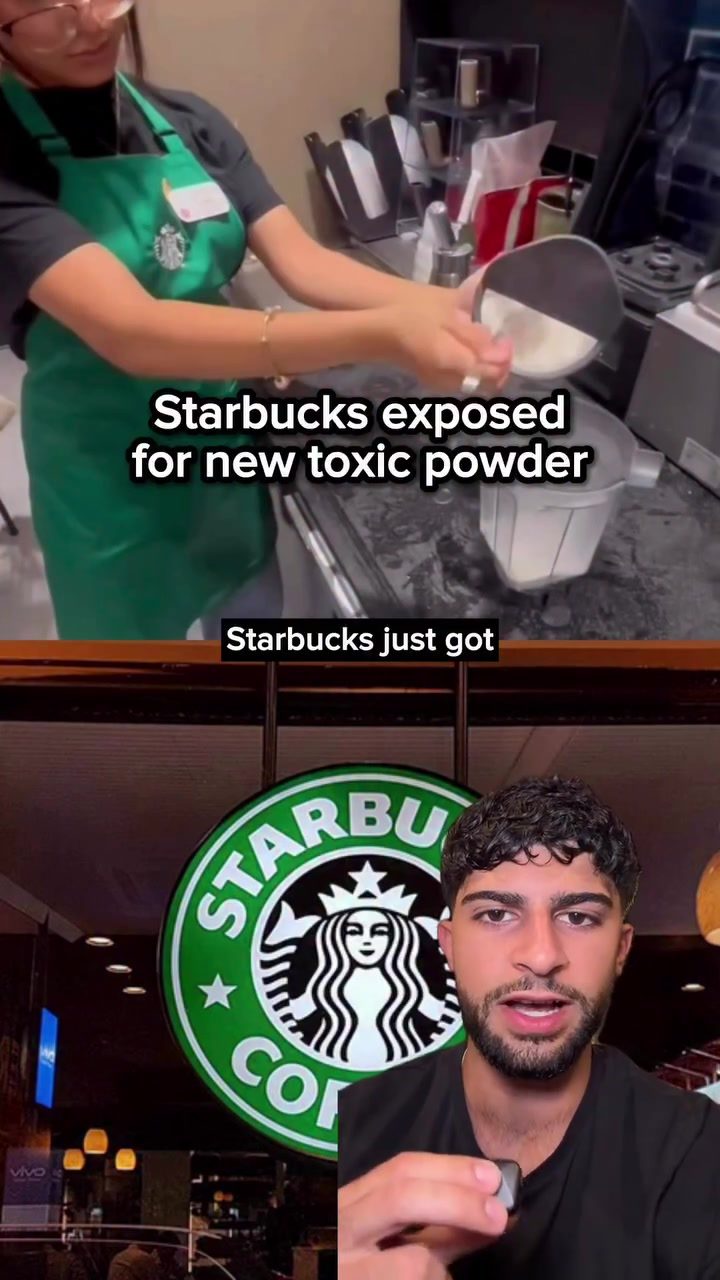
Starbucks Blending Powder Concerns
Starbucks baristas have raised alarms over a new blending powder introduced at the beginning of July into many of the chain’s frozen and blended drinks. The powder, which includes silica (silicon dioxide), has become a contentious topic among employees and customers. Exploring the ingredients, health concerns, and employee experiences will provide a clearer picture of the situation.
Context / Why This Matters
Starbucks has long been a leader in the beverage industry, known for its diverse menu and commitment to quality. However, the recent introduction of a new blending powder has sparked controversy due to its potential health risks. Employees have reported various health issues, raising questions about the safety and necessity of the ingredients present in the powder.
Main Discussion
The Blending Powder Ingredients
The blending powder in question contains several ingredients, including gum arabic, maltodextrin, xanthan gum, natural flavor, silica (silicon dioxide), and stevia extract. Designed to create a smoother texture and prevent separation, the powder aims to enhance the overall drinking experience. However, the presence of silica has raised concerns among employees and customers alike.
Health Concerns and Employee Reports
Silica, or silicon dioxide, is a common additive used in various food products. According to the FDA, small amounts of silica are generally recognized as safe. However, prolonged inhalation of certain forms of silica has been linked to serious lung conditions. Employees have reported that the fine powder becomes airborne during scooping, leading to sore throats, coughing, and headaches. These symptoms have raised alarms about the potential long-term effects of silica exposure.
Regulatory Scrutiny and Employee Health
The FDA's imagery and guidelines have highlighted that silica can cause gut inflammation and other allergies. Employees have expressed concern that silica is an anti-caking agent associated with industrial dust concerns. The complaints have escalated since the powder was rolled out in mid-July, with workers and some customers questioning the safety of the additive.
Practical Tips
- Employee Safety Precautions: Employees handling the blending powder should be provided with proper protective equipment, such as masks and gloves, to minimize exposure to airborne silica.
- Customer Awareness: Customers should be informed about the ingredients in their beverages, including any potential allergens or additives. This transparency can help customers make informed decisions about their food choices.
- Regulatory Compliance: Starbucks should ensure that all ingredients comply with FDA regulations and guidelines. Regular audits and inspections can help maintain the safety and quality of the products.
Important Takeaways
- Starbucks employees have raised concerns about a new blending powder used in frozen and blended drinks.
- The powder contains silica, an anti-caking agent that can become airborne and cause respiratory issues.
- Employees have reported symptoms such as sore throats, coughing, and headaches due to silica exposure.
- The FDA has guidelines on silica, which should be strictly followed to ensure the safety of both employees and customers.
- Customer awareness and regulatory compliance are essential in addressing these concerns.
Conclusion
The introduction of the new blending powder at Starbucks has raised significant concerns among employees and customers. The presence of silica and its potential health risks have highlighted the importance of safety precautions, regulatory compliance, and transparent communication. Addressing these issues will help ensure the safety and satisfaction of both employees and customers.
Watch the Reel
Questions readers ask
What is the primary concern among Starbucks employees regarding the new blending powder?
The main concern is the inclusion of silica, also known as silicon dioxide, in the powder. When inhaled, silica can cause respiratory issues, leading to worries among baristas who handle the powder regularly.
Why is silica used in the Starbucks blending powder?
Silica is commonly used as an anti-caking agent in food additives to prevent clumping and ensure smooth blending. However, its safety for workers who handle it frequently is being questioned.
What are the potential health risks associated with silica powder inhalation?
Inhaling silica powder can lead to respiratory problems, including inflammation and scarring of the lung tissue. Long-term exposure may result in serious conditions like silicosis.
Are there any reported cases of health issues among Starbucks employees due to the new powder?
Yes, some baristas have reported experiencing health issues, which they attribute to the silica in the new blending powder. These issues include respiratory problems and other symptoms.
What measures has Starbucks taken to address employee concerns about the blending powder?
As of now, specific measures taken by Starbucks to address these concerns are not clearly outlined. Employees have expressed dissatisfaction with the company's response to their worries about the silica powder.
Is silica commonly found in food products?
Yes, silica is a common ingredient in many food products. It is often used as an anti-caking agent to maintain product consistency. However, the concern here is the occupational exposure for workers handling the powder directly.
What should employees do if they experience health issues related to the silica powder?
Employees experiencing health issues should seek medical attention immediately. Additionally, they should report their concerns to Starbucks management and consider reaching out to occupational health specialists for guidance.
Recent articles
Fresh deep dives from the latest Reels we unpacked.




Comments
Be the first to comment.