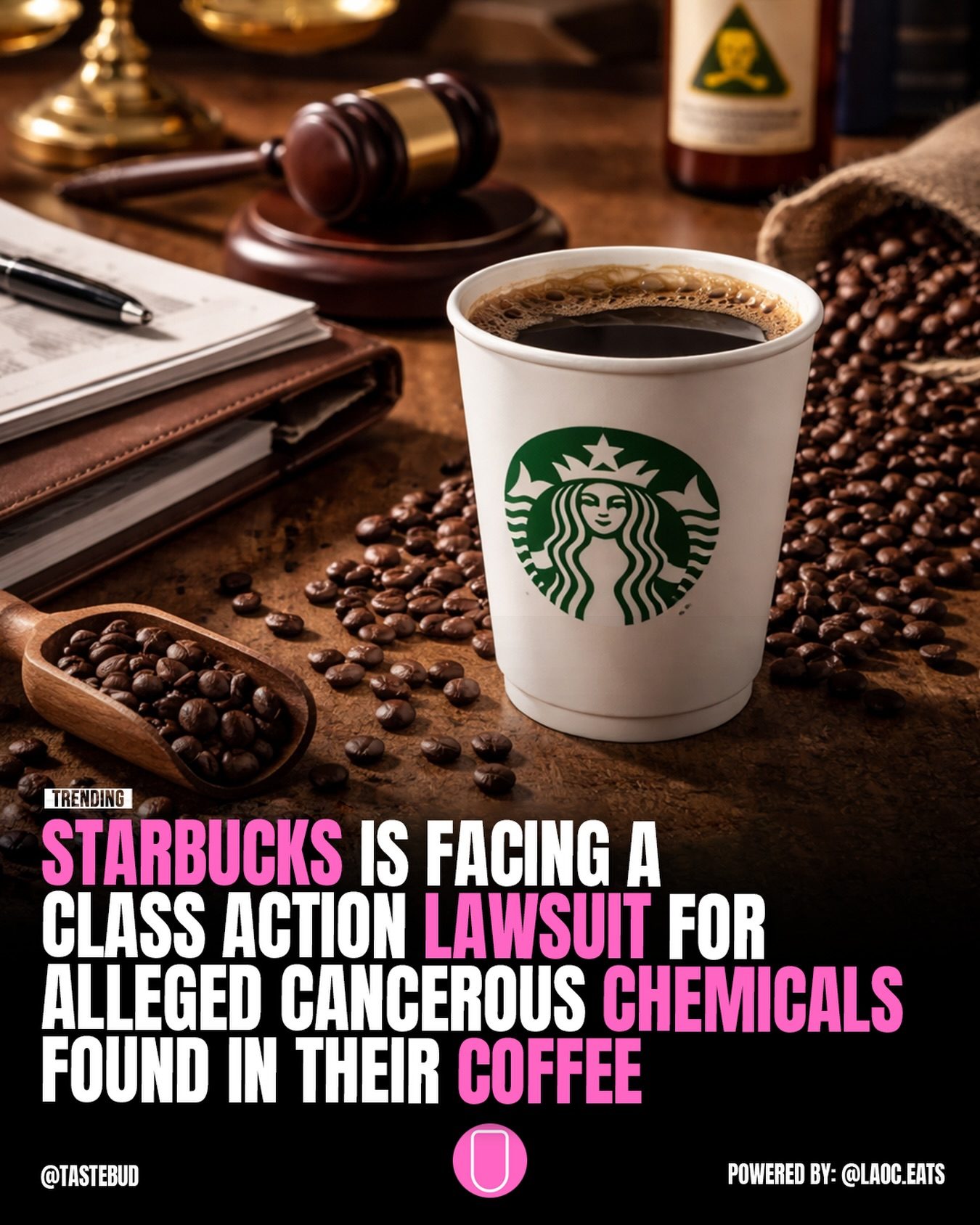
Starbucks Lawsuit: Allegations of Industrial Solvents in Decaf Coffee
The lawsuit against Starbucks alleges that some of the company's decaffeinated coffee products contain trace levels of industrial solvents used during the decaffeination process. Independent testing, as cited in the lawsuit, detected chemicals such as benzene, toluene, and methylene chloride. Yet, consumers were reportedly not informed about the potential presence of these residue chemicals.
The lawsuit aims for increased transparency regarding how Starbucks processes its decaf coffee. The plaintiffs are seeking damages and, more importantly, greater transparency from Starbucks in terms of the decaffeination process.
Why This Matters
Coffee is a daily ritual for many, and decaf coffee, in particular, is often chosen by those looking to reduce or eliminate caffeine intake. The presence of industrial solvents in decaf coffee raises significant concerns about the safety and transparency of the decaffeination process. This lawsuit emphasizes the importance of clear labeling and consumer awareness, particularly when it comes to products marketed as "clean" or "natural."
The Decaffeination Process
Decaffeinating coffee involves removing caffeine from coffee beans, but the process can vary widely. Several methods are commonly used:
-
Direct Solvent Process: The beans are soaked in hot water for several hours to extract the caffeine and flavor. The water is then separated, and the beans are soaked in a solvent like methylene chloride or ethyl acetate to dissolve the caffeine. The solvent is then evaporated, and the beans are re-dried.
-
Indirect Solvent Process: Similar to the direct process, but the beans are soaked in hot water, and the water is separated and treated with a solvent to remove the caffeine. The solvent is then removed, and the caffeine-free water is reused to re-soak the beans.
-
Swiss Water Process: This method uses only water to remove caffeine. Green coffee beans are soaked in hot water, and the caffeine is extracted through a carbon filter. This process is often considered to be the cleanest method, as it does not involve the use of any chemicals.
Critics of the solvent-based processes have long been concerned about the potential for residual solvents to remain in the coffee. The lawsuit against Starbucks highlights this issue and calls for greater transparency in the decaffeination process.
The Independent Testing
The lawsuit alleges that independent testing detected the presence of benzene, toluene, and methylene chloride, which are known industrial solvents. These chemicals are used in the decaffeination process to dissolve and remove caffeine from the coffee beans. The concern is that trace amounts of these solvents may remain in the final product, potentially impacting consumers' health. Benzene, for example, is classified as a carcinogen by the International Agency for Research on Cancer, and exposure to high levels of these solvents can have significant health risks.
Consumer Information
The lawsuit emphasizes the importance of informing consumers about the potential presence of these solvents. Currently, there is no requirement for manufacturers to disclose the specific method used to decaffeinate coffee or to inform consumers about any potential residues from the process. This lack of transparency can leave consumers in the dark about what they are consuming.
Practical Tips for Coffee Consumers
To make informed decisions as a consumer, it is essential to understand the decaffeination processes and what each one might mean for the final product. Some tips for consumers include:
1. Research the Decaffeination Method
When purchasing decaf coffee, look for information on the decaffeination method used. While the packaging may not always provide this information, some brands will list the process on their website or through customer service.
2. Opt for Swiss Water Process
If you're concerned about potential solvent residues, opt for decaf coffee made using the Swiss Water Process. This method does not involve any chemicals and relies solely on water to remove caffeine.
3. Check for Certifications
Look for certifications from third-party organizations that verify the safety and purity of the product. These certifications can provide additional assurance that the coffee has been processed safely.
4. Read Labels Carefully
Pay close attention to product labels and ingredient lists. While these labels may not always provide detailed information on the decaffeination process, they can offer insights into the overall quality and purity of the product.
5. Stay Informed
Keep up-to-date on industry trends and developments. Companies are under increasing pressure to be transparent about their processing methods, and staying informed can help you make better purchasing decisions.
Important Takeaways
- Starbucks is facing a lawsuit alleging the presence of industrial solvents in some of its decaffeinated coffee products.
- The lawsuit underscores the importance of transparency in the decaffeination process and the need for clear labeling.
- Consumers should be aware of the different decaffeination methods and the potential for residual solvents.
Conclusion
The lawsuit against Starbucks serves as a reminder of the importance of transparency and consumer awareness in the food and beverage industry. As consumers, it's crucial to stay informed and make educated choices about the products we consume. By understanding the decaffeination process and the potential for residual solvents, consumers can make more informed decisions about their coffee choices.
Watch the Reel
Related deep dives
Similar reads based on topic and creator.




Recent articles
Fresh deep dives from the latest Reels we unpacked.




Comments
Be the first to comment.