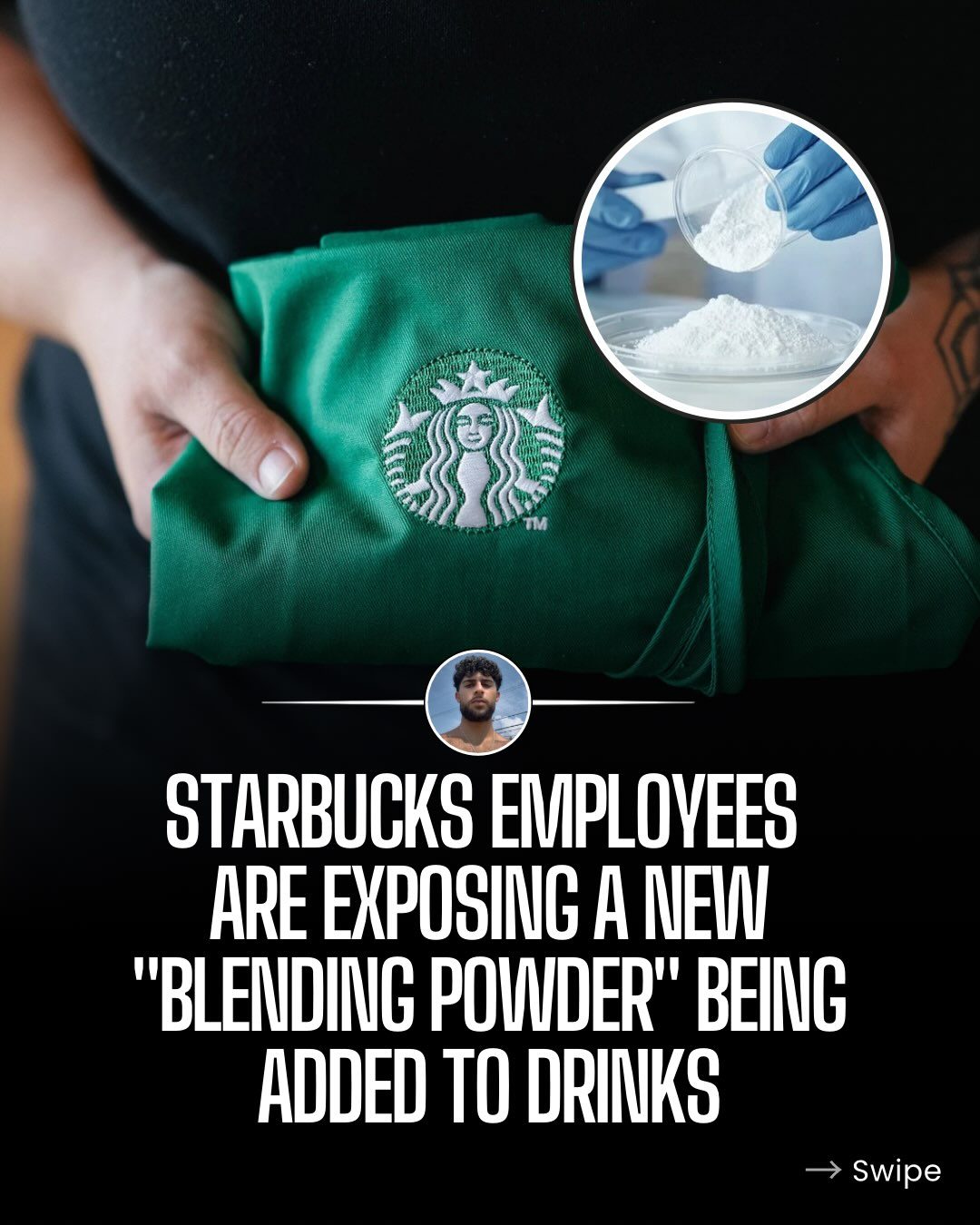
Starbucks Blending Powder Concerns
Starbucks' newly introduced blending powder, used in many of the chain’s frozen and blended drinks, has sparked concern among employees and some customers. The powder, designed to enhance texture and prevent separation, contains ingredients such as gum arabic, maltodextrin, xanthan gum, natural flavor, silica (silicon dioxide), and stevia extract. However, these ingredients, particularly silica, have raised health concerns due to their potential impact when inhaled.
Why This Matters
The introduction of this blending powder is significant not just for its immediate effects on drink quality, but also for the broader implications it has on worker health and consumer trust. Understanding the composition and potential risks of this additive is crucial for both Starbucks employees and customers who consume these beverages regularly.
Main Discussion
What is the Blending Powder?
The blending powder in question is a food additive used to improve the texture and stability of Starbucks' frozen and blended drinks. It contains several key ingredients:
- Gum Arabic: A natural gum used as a stabilizer and emulsifier.
- Maltodextrin: A polysaccharide produced from corn, used as a thickener and filler.
- Xanthan Gum: A polysaccharide used as a thickening and stabilizing agent.
- Natural Flavor: A broad term encompassing various natural substances used to enhance flavor.
- Silica (Silicon Dioxide): An anti-caking agent that prevents the powder from clumping.
- Stevia Extract (Rébaudioside A): A natural sweetener derived from the stevia plant.
Health Concerns
Employees have reported various health issues attributed to the powder, including sore throats, coughing, and headaches. The primary concern revolves around silica, a component that can cause respiratory issues when inhaled.
Silica and Respiratory Health
Silica, particularly in its crystalline form, is known to pose significant health risks when inhaled. Prolonged exposure to silica dust can lead to serious lung conditions, including silicosis, a progressive and often debilitating disease. While the exact form of silica used in the powder is not specified, the potential for inhalation during handling raises legitimate concerns.
Employee and Customer Reactions
The complaints about the blending powder have grown since its rollout in mid-July. Employees are questioning the necessity of using an anti-caking agent with known health risks, especially in a powder form that can easily become airborne. Customers, too, are becoming more aware of the ingredients in their drinks, pushing for transparency and safer alternatives.
Employee Testimonies
Many baristas have reported discomfort and health issues due to the powder. The fine texture of the powder makes it easy to become airborne during scooping, increasing the risk of inhalation. These concerns have been echoed by some customers who are now wary of the additives in their beverages.
Regulatory and Safety Considerations
The blending powder is not intended for retail sale, indicating that it is meant for internal use only. This suggests that the manufacturer, Starbucks Coffee Company, recognizes the potential risks associated with the powder. However, the lack of transparency and the continued use of the powder in consumer drinks raise questions about regulatory oversight and corporate responsibility.
Practical Tips
For Employees
- Proper Handling: Use protective gear, such as masks, when handling the powder to minimize inhalation risks.
- Ventilation: Ensure the work area is well-ventilated to reduce the concentration of airborne particles.
- Regular Breaks: Take regular breaks to minimize prolonged exposure to the powder.
- Report Concerns: Report any health issues or concerns to management and seek medical advice if necessary.
For Customers
- Stay Informed: Be aware of the ingredients in your drinks and ask questions if you have concerns.
- Request Alternatives: Ask for drinks without the blending powder or seek alternative beverages.
- Monitor Health: Pay attention to any adverse reactions after consuming blended drinks and report them if necessary.
Important Takeaways
- The blending powder contains ingredients that can cause respiratory issues when inhaled, particularly silica.
- Employees are experiencing health problems due to the powder, highlighting the need for better safety measures.
- Customers are becoming more aware of the ingredients in their drinks and are seeking transparency from Starbucks.
- The continued use of the powder in consumer drinks raises questions about regulatory oversight and corporate responsibility.
Conclusion
The introduction of Starbucks' blending powder has brought to light important issues concerning worker health and consumer transparency. While the powder is designed to improve drink quality, the potential health risks associated with its ingredients, particularly silica, cannot be ignored. As both employees and customers voice their concerns, it is crucial for Starbucks to address these issues and ensure the safety and well-being of all parties involved. Transparency and open communication will be key in building trust and maintaining the quality of the drinks customers enjoy.
Watch the Reel
Questions readers ask
What is the primary concern with Starbucks' new blending powder?
The primary concern is the potential health risks associated with inhaling the powder, particularly the silica content, which can cause respiratory issues. Employees who handle the powder regularly are the most at risk.
What is silica and why is it a concern in Starbucks' blending powder?
Silica, or silicon dioxide, is a compound used in the blending powder to improve texture and prevent separation. It can cause respiratory issues when inhaled, leading to concerns about the health and safety of Starbucks employees who frequently handle the powder.
What are the other ingredients in Starbucks' blending powder?
In addition to silica, the blending powder contains gum arabic, maltodextrin, xanthan gum, natural flavor, and stevia extract. These ingredients are used to enhance the texture and taste of frozen and blended drinks, but the safety of inhaling any of the powder is a concern.
How does Starbucks' blending powder affect the quality of drinks?
The blending powder is designed to improve the texture of drinks and prevent separation, leading to a more consistent and smooth drink. This can enhance the overall taste and quality of Starbucks' frozen and blended beverages but has raised concerns about health impacts.
What steps can Starbucks take to mitigate the health risks associated with the blending powder?
Starbucks can implement measures to reduce inhalation risks, such as providing employees with proper protective equipment, improving ventilation in work areas, and conducting regular safety training. They can also consider reformulating the powder to remove or reduce the silica content.
Have there been any reported cases of respiratory issues related to the blending powder?
As of now, the article does not specify any reported cases. However, the concern among employees is based on the known health risks associated with inhaling silica, which can cause respiratory issues over time.
Recent articles
Fresh deep dives from the latest Reels we unpacked.




Comments
Be the first to comment.