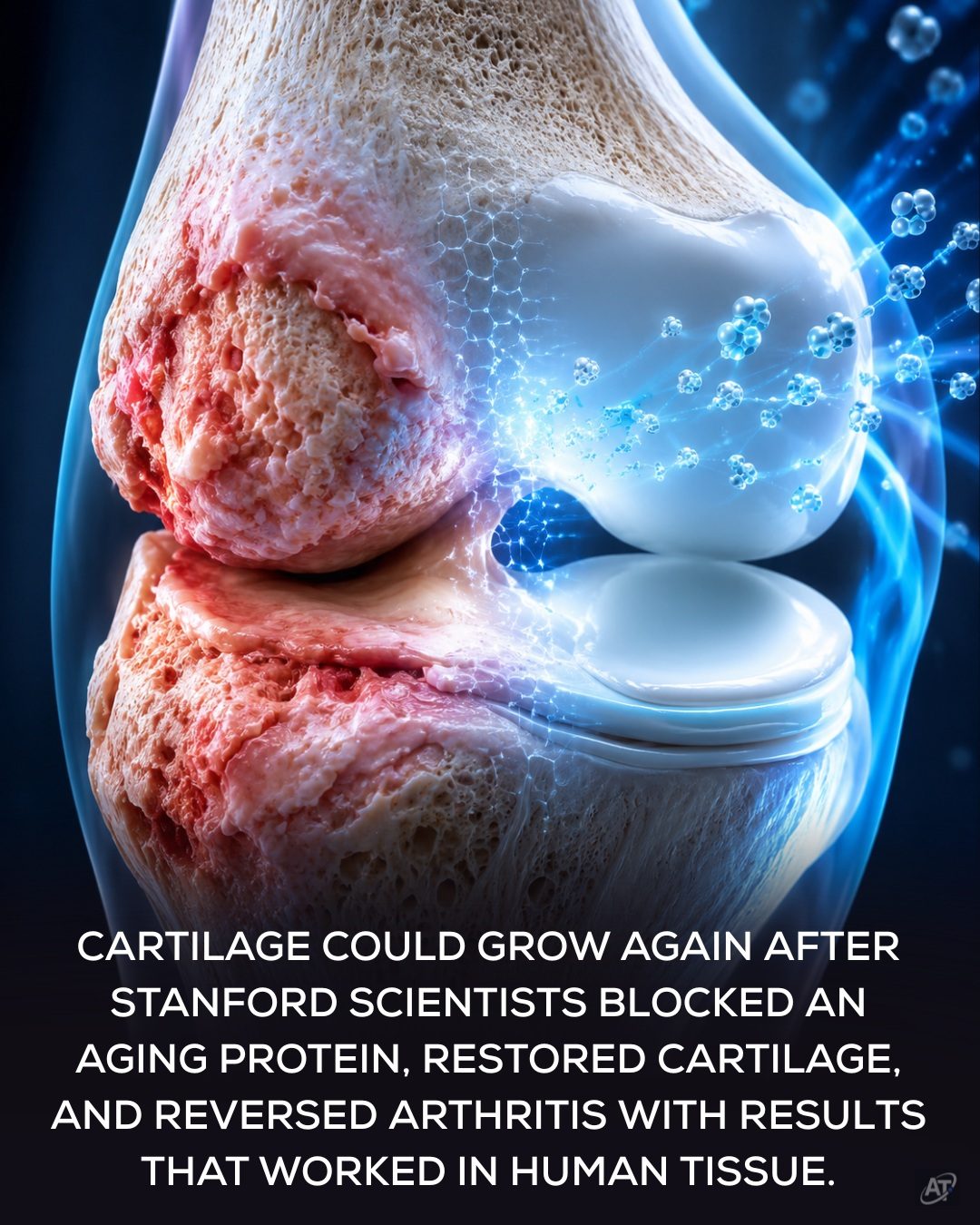
Cartilage Regeneration: The Promise of a New Treatment
Cartilage regeneration holds significant potential for addressing joint issues, particularly osteoarthritis. Researchers at Stanford Medicine have made a groundbreaking discovery that could revolutionize how we treat damaged joint cartilage. By blocking an enzyme known as 15-PGDH, scientists have found a way to promote tissue repair and potentially regenerate cartilage.
Context / Why this matters
Osteoarthritis is a common condition that affects millions of people worldwide. It occurs when the protective cartilage on the ends of bones wears down over time, leading to pain, stiffness, and reduced mobility. Traditional treatments often focus on managing symptoms rather than repairing the underlying damage. The new findings from Stanford Medicine offer a promising avenue for more effective, long-term solutions.
The Breakthrough
Targeting 15-PGDH
The key to this breakthrough lies in the enzyme 15-PGDH, which becomes more active with age. This enzyme reduces levels of a molecule crucial for tissue repair. By blocking 15-PGDH, researchers have been able to reprogram existing cartilage cells into a healthier, more regenerative state. This approach differs from previous methods that relied on newly created stem cells, offering a more straightforward and potentially more effective solution.
Experimental Results in Mice
The experimental treatment has shown remarkable results in older mice. Not only did it rebuild the smooth cartilage covering the knee joint, but it also reduced pain associated with osteoarthritis. Moreover, the treatment helped protect mice from developing osteoarthritis after injuries that mimicked the joint damage from an ACL tear. These findings suggest that the treatment could be effective in preventing further damage and promoting healing.
Human Tissue Response
The potential for this treatment extends beyond animal models. Researchers also treated damaged cartilage removed from people undergoing knee-replacement surgery. After just one week in the laboratory, the human tissue exhibited signs of producing new cartilage matrix. This is an encouraging indication that the biological pathway involved in this process may also exist in humans, paving the way for future clinical applications.
Main Discussion
The Role of Enzymes in Tissue Repair
Enzymes play a critical role in various biological processes, including tissue repair and regeneration. Understanding how specific enzymes like 15-PGDH function can provide valuable insights into developing targeted therapies. By inhibiting 15-PGDH, researchers have unlocked a pathway that could enhance the body's natural ability to repair damaged cartilage, offering a novel approach to treating osteoarthritis.
The Potential for Regenerative Medicine
Regenerative medicine aims to replace or regenerate human cells, tissues, or organs to restore or establish normal function. The findings from Stanford Medicine align with this goal, showcasing the potential for regenerative therapies in treating joint issues. Instead of relying on external interventions like stem cells, this approach leverages the body's inherent repair mechanisms, making it a more integrated and potentially more effective solution.
Future Directions
While the research is promising, it is essential to note that the human cartilage was treated outside the body, and the therapy has not yet been proven to safely regenerate joints in living patients. Researchers are now exploring various delivery methods, including injections into the joint or oral medications, to bring this treatment closer to clinical use. Further studies and clinical trials will be necessary to validate the safety and efficacy of this approach in human patients.
Practical Tips
While the research is still in its early stages, there are several practical steps individuals can take to support joint health and potentially reduce the risk of osteoarthritis:
Maintain a Healthy Lifestyle
Regular exercise and a balanced diet are crucial for maintaining overall health, including joint health. Low-impact activities like swimming, cycling, and walking can help strengthen the muscles around the joints without putting excessive strain on them.
Manage Weight
Excess weight places additional pressure on the joints, increasing the risk of wear and tear. Maintaining a healthy weight through diet and exercise can help reduce this pressure and support joint health.
Stay Active
Regular physical activity helps keep the joints flexible and strong. Engaging in activities that promote flexibility, such as yoga or Pilates, can also be beneficial.
Consume a Balanced Diet
A diet rich in vitamins and minerals, particularly those found in fruits and vegetables, can support overall health and potentially reduce inflammation in the joints.
Important Takeaways
The discovery by Stanford Medicine researchers offers a promising avenue for treating and potentially reversing osteoarthritis. By blocking 15-PGDH, scientists have identified a pathway that could promote cartilage regeneration and repair. While further studies are needed to validate these findings in clinical settings, the potential for this treatment is significant. While the research is still in its early stages, there are several practical steps individuals can take to support joint health and potentially reduce the risk of osteoarthritis. Managing weight, staying active, and consuming a balanced diet can all contribute to overall joint health.
Conclusion
Cartilage regeneration represents a significant advancement in the field of joint health and regenerative medicine. The findings from Stanford Medicine highlight the potential for targeted therapies that can promote tissue repair and regeneration. While more research is needed to bring this treatment to clinical use, the initial results are promising. By understanding the role of enzymes like 15-PGDH, researchers are opening new doors to more effective and long-term solutions for osteoarthritis and other joint issues.
Watch the Reel
Questions readers ask
What is the significance of the Stanford breakthrough in cartilage repair?
The Stanford breakthrough involves blocking an enzyme called 15-PGDH, which has shown promise in promoting tissue repair and potentially regenerating cartilage. This discovery is significant because it offers a new approach to treating osteoarthritis, a condition that affects millions of people worldwide and often leads to pain and reduced mobility. The focus of the breakthrough is on repairing the underlying damage, rather than just managing symptoms.
What is the role of 15-PGDH in cartilage repair?
The enzyme 15-PGDH has been identified as a key player in preventing cartilage repair. By blocking this enzyme, Stanford researchers have found that they can promote tissue repair and potentially regenerate damaged cartilage. This finding opens up new avenues for developing targeted treatments that could revolutionize how we approach joint repair and regeneration.
How does this breakthrough benefit osteoarthritis sufferers?
For those suffering from osteoarthritis, this breakthrough offers promising relief. By regenerating damaged cartilage, it could reduce pain and prevent further joint damage, potentially improving mobility and quality of life. This approach goes beyond symptom management, focusing instead on repairing the underlying damage.
What stages of research has this breakthrough reached?
The research has shown promising results in mice, demonstrating significant cartilage regeneration after injury. The next steps involve further research and clinical trials to determine the safety and efficacy of this approach in humans. If successful, this could lead to new treatment options for human cartilage regeneration and osteoarthritis treatment.
How does this new treatment approach compare to traditional osteoarthritis treatments?
Traditional treatments for osteoarthritis often focus on managing symptoms through pain medication, physical therapy, and in severe cases, joint replacement surgery. The Stanford breakthrough, however, aims to address the root cause by promoting cartilage regeneration. This could lead to more effective, long-term solutions for joint repair and regeneration.
What are the next steps for this research?
The next steps involve conducting further research and clinical trials to assess the safety and efficacy of this approach in humans. If successful, this could pave the way for new treatments that focus on regenerating damaged cartilage, reducing pain, and improving mobility for those suffering from osteoarthritis. This research is being conducted to determine how this treatment could be used as therapy for humans.
What is the potential impact of this research on knee joint repair?
The research has significant implications for knee joint repair, as the knee is one of the most commonly affected joints in osteoarthritis. By promoting cartilage regeneration, this breakthrough could lead to more effective treatments for knee joint damage, reducing pain and improving mobility for those affected. This research could lead to treatments for osteoarthritis in the knee by regenerating damaged tissue.
Related deep dives
Similar reads based on topic and creator.

Recent articles
Fresh deep dives from the latest Reels we unpacked.




Comments
Be the first to comment.