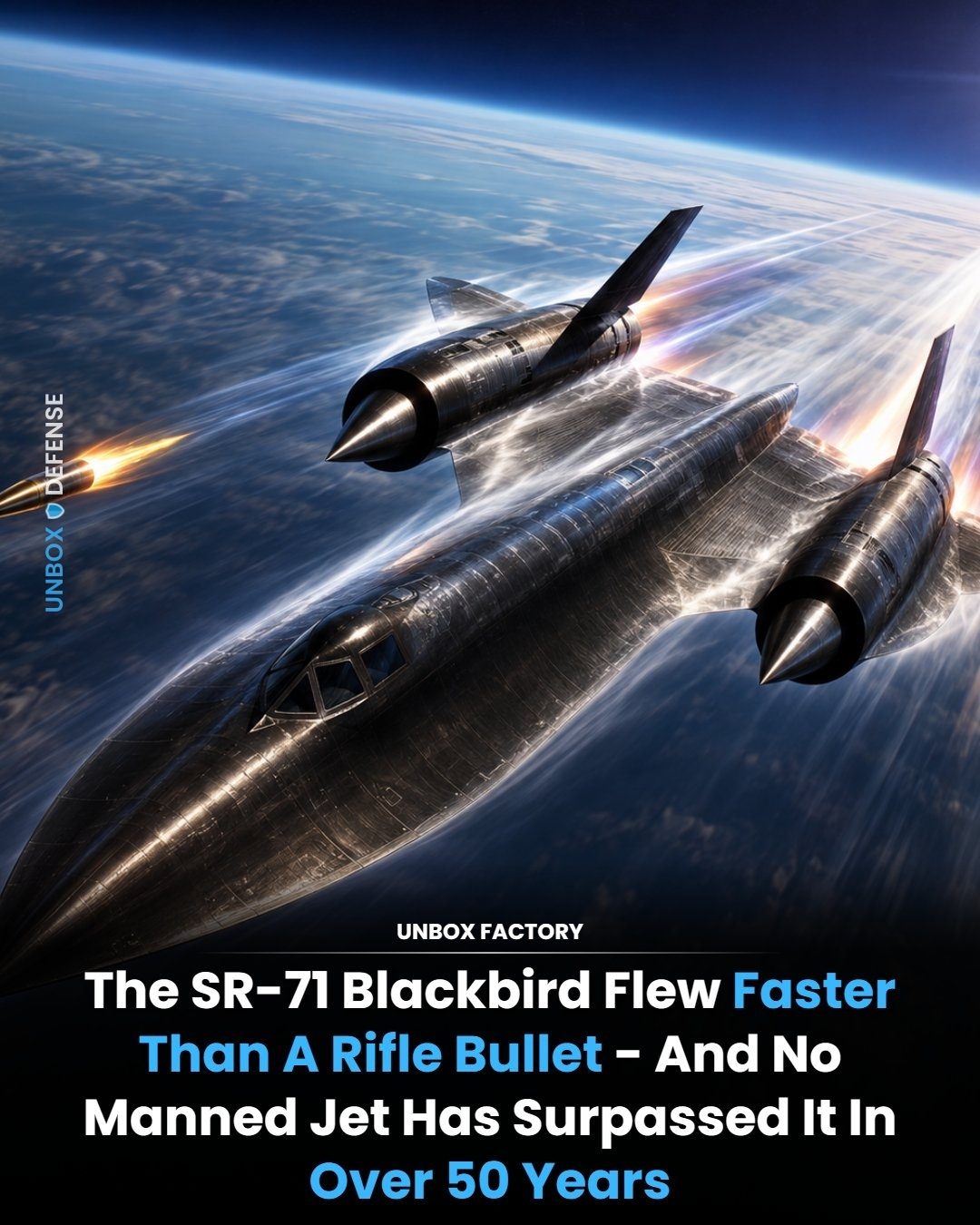
The SR-71 Blackbird: Legendary Speed and Performance
Context / Why this matters
The SR-71 Blackbird is more than just a historical artifact; it's a testament to human engineering and technological prowess. Its unparalleled speed and altitude capabilities have made it a subject of fascination and admiration for aviation enthusiasts and engineers alike. Understanding the SR-71's achievements provides insights into the limits of current aviation technology and the directions future advancements might take.
Main discussion
Speed and Altitude Capabilities
The Blackbird's top speed of over Mach 3.3 (approximately 2,200 mph or 3,540 km/h) is a staggering feat. This speed is not just a number; it translates to being faster than many rifle bullets. The aircraft's ability to fly at altitudes exceeding 85,000 feet (over 26 kilometers) is equally impressive. At these heights, the SR-71 could outrun most enemy missiles, making it extremely difficult to intercept.
Material and Design Innovations
Constructed primarily from titanium, the SR-71 could withstand the extreme temperatures generated by air friction at high speeds. These temperatures could exceed 600°F (315°C), a condition that would quickly melt most conventional aircraft materials. The use of titanium allowed the Blackbird to maintain its structural integrity under these harsh conditions.
Mission Success and Safety
The SR-71 completed thousands of reconnaissance missions without a single aircraft ever being shot down by enemy fire. This record is a testament to its advanced design and operational tactics. The aircraft's speed and altitude capabilities made it nearly impossible for enemies to track or intercept, ensuring the safety of its crews and the success of its missions.
Unmatched Performance
More than 60 years after its first flight, no operational manned aircraft has officially surpassed the SR-71's speed record. This longevity in performance highlights the groundbreaking nature of the Blackbird's technology and design. The aircraft remains a benchmark in military aviation, setting a standard that has yet to be surpassed.
Practical tips
While the SR-71 Blackbird is a highly specialized military aircraft, its achievements offer practical insights into aviation design and performance.
Understanding Advanced Materials
The SR-71's use of titanium and other advanced materials offers lessons in material science. For engineers and designers, understanding how the Blackbird's materials withstand extreme conditions can inspire new innovations in thermal management and structural integrity. Future aircraft designs can build on these principles to achieve better performance and durability.
High-Speed Flight Dynamics
The SR-71's speed and altitude capabilities provide valuable data on high-speed flight dynamics. Studying how the Blackbird handles at such extreme speeds can help in developing new aircraft with improved aerodynamics and stability. Future high-speed aircraft, whether for military or civilian use, can benefit from the lessons learned from the SR-71.
Important takeaways
The SR-71 Blackbird's speed, altitude, and mission success set a high bar for modern aviation. Its use of advanced materials and innovative design principles continue to influence current and future aviation technologies. The Blackbird's legacy underscores the importance of relentless innovation and technological advancement in achieving unparalleled performance.
Conclusion
The SR-71 Blackbird stands as an enduring symbol of human achievement in aviation. Its record-breaking speed, high-altitude capabilities, and mission success have left an indelible mark on the history of aviation. As we look to the future, the lessons learned from the SR-71 continue to inspire and guide the development of new aircraft technologies, ensuring that the spirit of innovation lives on.
Watch the Reel
Questions readers ask
What makes the SR-71 Blackbird's speed so remarkable?
The SR-71 Blackbird's speed of over Mach 3.3, which is approximately 2,200 mph, is remarkable because it outpaces many rifle bullets. This speed was achieved through advanced turbine engines and aerodynamic design, allowing it to travel at an unprecedented rate for a manned aircraft.
How did the SR-71 Blackbird's altitude capabilities enhance its defense mechanisms?
The SR-71 Blackbird could reach altitudes exceeding 85,000 feet, making it nearly impossible for enemy aircraft to intercept. This high-altitude capability, combined with its speed, allowed the Blackbird to evade threats and gather crucial intelligence safely.
What technological advancements from the SR-71 Blackbird are influencing modern aviation?
The SR-71 Blackbird's innovations in turbine engine technology, aerodynamic design, and avionics have influenced modern aviation. Future advancements in aviation technology are likely to build upon the knowledge gained from the Blackbird's design and performance. Initiatives such as Lockheed Martin's SR-72 hypersonic aircraft development are a testament to its enduring legacy.
Why is the SR-71 Blackbird still relevant a century after its inception?
The SR-71 Blackbird remains relevant because its achievements in speed and altitude have yet to be surpassed. It continues to inspire and inform engineers and aviation enthusiasts, providing a benchmark for current and future designs in military jet technology. The Blackbird's design principles are still studied to push the boundaries of high-speed aviation.
How did the SR-71 Blackbird's stealth technology contribute to its defense capabilities?
The SR-71 Blackbird's stealth technology, combined with its exceptional speed and altitude, made it extremely difficult to detect and intercept. The aircraft's radar cross-section was minimized, and its high-speed performance allowed it to evade threats effectively. These features made the Blackbird a formidable asset in military operations.
What role does the SR-71 Blackbird play in the history of military jet technology?
The SR-71 Blackbird is a pivotal chapter in the history of military jet technology. Its unmatched speed, altitude, and stealth capabilities set new standards for defense aircraft. The Blackbird's legacy continues to influence the development of advanced military jets, pushing the limits of what is possible in aviation.
Related deep dives
Similar reads based on topic and creator.




Recent articles
Fresh deep dives from the latest Reels we unpacked.




Comments
Be the first to comment.