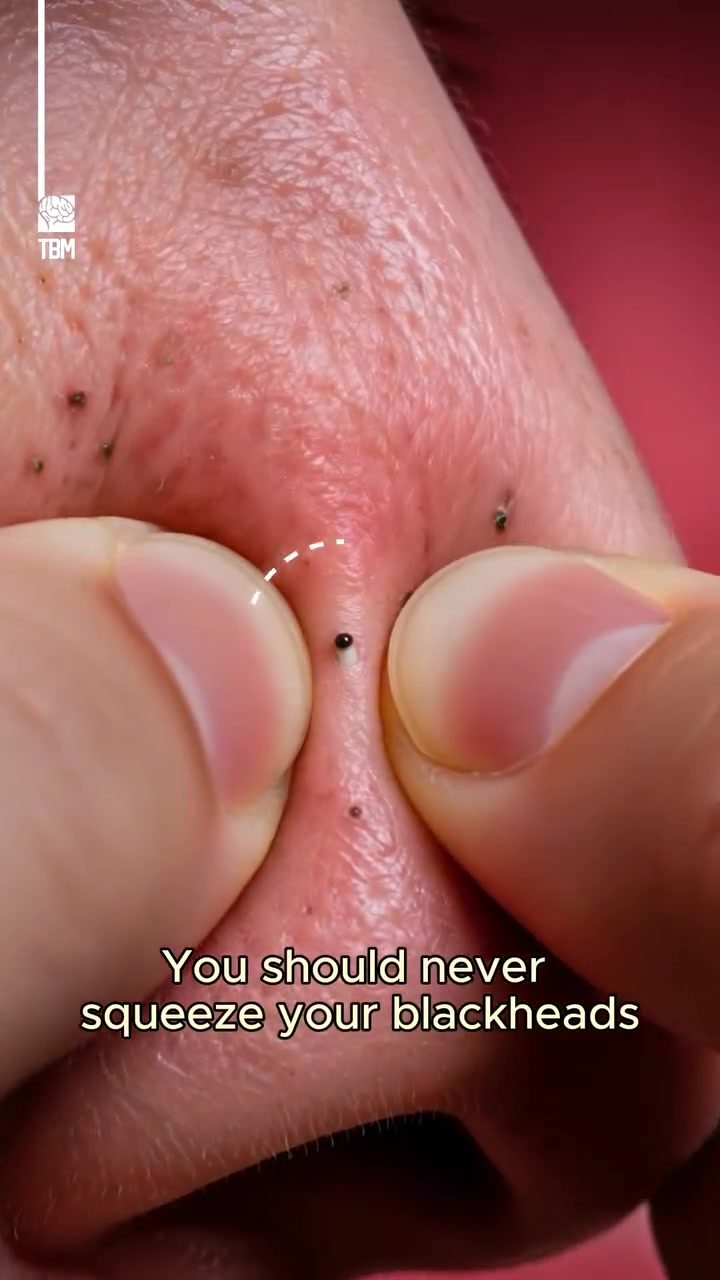
Blackheads: What They Are and Why You Should Never Squeeze Them
Blackheads are a common skincare concern, but many misconceptions surround their formation and removal. Understanding what blackheads truly are and the best methods for their removal is crucial for maintaining healthy skin. This article delves into the science behind blackheads, why squeezing them is detrimental, and the safest methods for their removal.
Why This Matters
Blackheads are not just a cosmetic issue; they can also impact skin health. Improper removal techniques can lead to infection, scarring, and even more breakouts. By understanding the correct methods for blackhead removal, you can maintain clear, healthy skin and avoid potential complications.
The Anatomy of Blackheads
Blackheads, also known as open comedones, form when pores become clogged with excess oil (sebum) and dead skin cells. When these clogs are exposed to air, they oxidize and turn dark, giving blackheads their characteristic appearance.
Sebaceous Filaments vs. Blackheads
Not all dark dots on the skin are blackheads. Sebaceous filaments are tiny, hair-like structures that help carry oil to the skin's surface. They are normally dark and can sometimes be mistaken for blackheads, but they serve a vital function in skin health.
The Formation of Blackheads
True blackheads form when excess oil and dead skin cells block a pore. This clot oxidizes upon contact with air, turning dark. Unlike sebaceous filaments, blackheads do not serve a beneficial purpose and can lead to more significant skincare issues if not properly addressed.
The Risks of Squeezing Blackheads
Squeezing blackheads is a common but harmful practice. When you press on a blackhead, you can push oil, dead skin, and bacteria deeper into the pore, leading to redness, swelling, and infection. Moreover, squeezing does not clear the clog inside the pore, so the blackhead often returns.
Infection and Scarring
Squeezing can introduce bacteria into the pore, leading to infection and inflammation. This can result in scarring and further skin damage. Additionally, squeezing can cause the walls of the pore to rupture, making it more difficult for the skin to heal and increasing the risk of future breakouts.
Safer Alternatives for Blackhead Removal
Instead of squeezing, consider safer and more effective methods for blackhead removal.
Salicylic Acid
Salicylic acid is a beta-hydroxy acid (BHA) that can penetrate deep into the pores to dissolve trapped oil and dead skin cells. It helps to unclog pores and prevent future blackhead formation. Salicylic acid is gentler on the skin compared to manual extraction and is suitable for most skin types.
Retinoids
Retinoids are derivatives of vitamin A that help to prevent future blockages by promoting cell turnover and preventing the buildup of dead skin cells. They can be particularly effective when combined with salicylic acid for a comprehensive skincare approach.
Professional Comedone Extraction
For stubborn blackheads, consider visiting a dermatologist. Professional comedone extraction involves using a sterile comedone extractor to safely remove the blackhead while minimizing the risk of skin damage, infection, and scarring. This method is particularly effective for larger, more persistent blackheads.
Practical Tips for Blackhead Prevention
Preventing blackheads is often easier than treating them. Here are some practical tips to keep your skin clear:
Regular Exfoliation
Exfoliate your skin regularly to remove dead skin cells and prevent them from clogging your pores. Use gentle exfoliants that contain salicylic acid or fruit enzymes.
Keeping Skin Clean
Wash your face twice a day with a gentle cleanser to remove excess oil, dirt, and bacteria. Avoid harsh soaps that can strip your skin of its natural oils and cause irritation.
Hydrating Your Skin
Hydrated skin is less likely to overproduce oil, which can lead to blackhead formation. Use a light, oil-free moisturizer to keep your skin balanced and hydrated.
Avoiding Touching Your Face
Touching your face can transfer bacteria and oils from your hands to your skin, leading to clogged pores and breakouts. Try to keep your hands away from your face, especially if you haven't washed them recently.
Choosing Non-Comedogenic Products
Use skincare and makeup products labeled as non-comedogenic, which are specifically formulated not to clog pores. These products are less likely to contribute to blackhead formation.
Important Takeaways
Understanding Blackheads
Blackheads are clogged pores filled with excess oil and dead skin cells. Not all dark dots on the skin are blackheads; some are sebaceous filaments that help carry oil to the skin's surface.
Avoid Squeezing
Squeezing blackheads can push bacteria deeper into the pore, leading to infection, scarring, and more breakouts. Instead, opt for gentler methods like salicylic acid or professional extraction.
Prevention and Care
Preventing blackheads involves regular exfoliation, keeping your skin clean, and using non-comedogenic products. Maintaining a consistent skincare routine can help keep your pores clear and your skin healthy.
Conclusion
Blackheads are a common skincare concern, but understanding their formation and the best methods for their removal can significantly improve your skin health. By avoiding the temptation to squeeze and instead opting for safer methods like salicylic acid and professional extraction, you can keep your skin clear and healthy. Regular skincare practices and the use of appropriate products can prevent blackheads from forming, ensuring your skin stays balanced and beautiful.
Watch the Reel
Questions readers ask
Why is squeezing blackheads harmful to the skin?
Squeezing blackheads can drive the clogged debris further into the pores, exacerbating the problem and potentially causing infections or scarring. Additionally, it can stimulate the production of more oil, leading to further blackhead formation.
What causes blackheads to form on the skin?
Blackheads form when pores become clogged with a combination of oil and dead skin cells. This mixture oxidizes when exposed to air, turning black and giving blackheads their distinctive appearance.
Can squeezing blackheads lead to infections?
Yes, squeezing blackheads can push bacteria deeper into the pores, leading to infections. These infections can result in more severe acne breakouts and may require medical treatment.
What are the safest methods for blackhead removal?
The safest methods for blackhead removal include using topical treatments like salicylic acid or retinol, which help to dissolve and unclog pores. Additionally, professional treatments such as chemical peels or extractions by a dermatologist can be effective and safe.
Why does Blackhead squeezing cause scarring?
Squeezing blackheads can cause scarring because it often involves force that damages the skin and surrounding tissue. This can leave marks that may take longer to heal and may be permanent.
What are some effective treatments for blackheads?
Effective treatments for blackheads include over-the-counter products containing salicylic acid or benzoyl peroxide, as well as prescription treatments like retinoids. Professional procedures like microdermabrasion or chemical peels can also be beneficial.
How can I prevent blackheads from forming?
To prevent blackheads, maintain a consistent skincare routine that includes gentle cleansing, exfoliation, and the use of non-comedogenic products. Regularly changing pillowcases and avoiding heavy, pore-clogging makeup can also help.
Related deep dives
Similar reads based on topic and creator.

Recent articles
Fresh deep dives from the latest Reels we unpacked.




Comments
Be the first to comment.