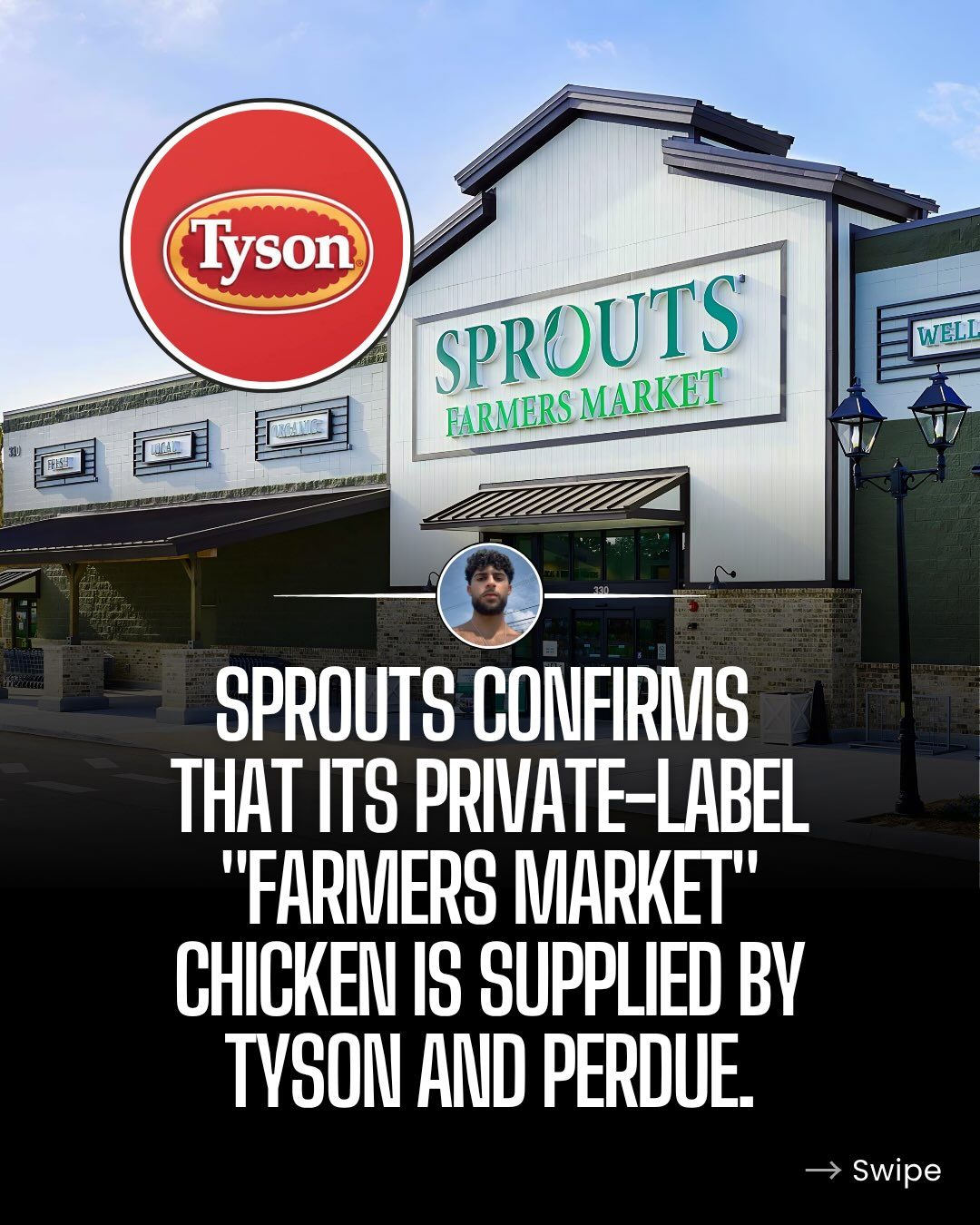
Sprouts Farmers Market's Chicken Sourcing Controversy
The controversy surrounding Sprouts Farmers Market’s chicken sourcing has raised significant questions about transparency and branding in the grocery industry. At the heart of the issue is the revelation that Sprouts' private-label chicken is supplied by Tyson and Perdue, two of the most industrialized meat companies in the country. This disclosure has sparked debate about the authenticity of Sprouts' "farmers market" branding and the true origins of the chicken consumers are purchasing.
Why This Matters
Understanding the sourcing of chicken at Sprouts Farmers Market is crucial for several reasons. First, it highlights the disconnect between consumer perceptions and the realities of the supply chain. Many consumers who shop at Sprouts do so because they expect higher quality, ethically sourced products. The revelation that the chicken is supplied by major industrial producers challenges this perception. Second, it underscores the importance of transparency in food labeling. If consumers are not getting the information they need to make informed purchasing decisions, it raises questions about the integrity of food labeling practices. The controversy is also part of a broader discussion about the role of corporate giants in the food industry and how smaller, more ethical companies can compete in a market dominated by large-scale producers.
The Controversy Unveiled
The Role of Tyson and Perdue
Tyson and Perdue are well-known names in the meat industry, processing vast quantities of poultry. Tyson, in particular, processes roughly one in five pounds of all meat sold in the United States. The revelation that these industrial giants are supplying Sprouts Farmers Market’s private-label chicken has raised eyebrows among consumers who associate Sprouts with smaller, more artisanal farming practices.
The "Farmers Market" Branding
Sprouts Farmers Market positions itself as a provider of fresh, local, and ethically sourced products. The "farmers market" branding implies a closer relationship with small-scale, local farmers rather than large-scale industrial producers. This branding is central to Sprouts' appeal, attracting health-conscious consumers who prioritize quality and ethical sourcing. However, the recent revelation has challenged this image, leading to questions about whether Sprouts is being misleading in its branding.
The Impact on Consumers
Misleading Branding and Consumer Trust
The primary impact of this controversy is on consumer trust. When consumers shop at Sprouts, they often do so with the expectation of supporting a different kind of food system. The revelation that the chicken is sourced from industrial producers undermines this trust and raises questions about the authenticity of Sprouts' marketing. Consumers who value ethically sourced, sustainably produced food may feel misled, leading to a potential loss of loyalty.
The Reality of Chicken Sourcing
The controversy also highlights the complexities of the chicken supply chain. While Sprouts may source its chicken from Tyson and Perdue, the branding still implies a local, small-scale operation. This disconnect between perception and reality is a common issue in the food industry, where large-scale producers can dominate the market, making it difficult for smaller, more ethical producers to compete.
Practical Tips for Informed Shopping
Reading Labels Carefully
One of the most important steps consumers can take is to read product labels carefully. While the "farmers market" branding at Sprouts might imply local sourcing, it's essential to look for specific certifications or labels that guarantee ethical and sustainable practices. This can include labels like "Certified Humane" or "USDA Organic," which provide more transparency into the sourcing and production methods.
Supporting Transparency
Consumers can also support companies that prioritize transparency in their sourcing and production. Asking questions, providing feedback, and demanding more information from grocery stores and food producers can drive positive change in the industry. Companies that are transparent about their sourcing practices are more likely to build consumer trust and loyalty.
Exploring Alternative Brands
For consumers who prioritize ethical and sustainable practices, exploring alternative brands and grocery stores can be a practical solution. There are many brands and retailers that specialize in ethically sourced, sustainably produced food. By supporting these brands, consumers can ensure their purchases align with their values and priorities.
Engaging in Community Discussions
Communicating with others about their experiences and insights can also be valuable. Engaging in community discussions, whether online or in person, can provide additional information and perspectives. Sharing knowledge and supporting each other can create a more informed and empowered consumer base.
Important Takeaways
Transparency in Food Sourcing
This controversy underscores the importance of transparency in food sourcing. Consumers have the right to know where their food comes from and how it is produced. Transparent labeling and clear communication from retailers can help build trust and ensure that consumers are making informed decisions.
The Power of Consumer Choices
Consumer choices have the power to drive change in the food industry. By supporting brands that prioritize ethical and sustainable practices, consumers can encourage a shift towards more transparent and responsible sourcing methods. This includes reading labels, asking questions, and providing feedback to retailers.
The Role of Corporate Responsibility
The controversy also highlights the importance of corporate responsibility in the food industry. Companies have a responsibility to provide accurate and transparent information to consumers. Misleading branding can erode consumer trust and undermine the integrity of the industry as a whole.
Conclusion
The controversy surrounding Sprouts Farmers Market’s chicken sourcing has brought to light important issues about transparency, branding, and consumer trust. It serves as a reminder of the complexities of the food supply chain and the need for greater transparency. By understanding these issues and making informed choices, consumers can play a crucial role in driving positive change in the food industry. Whether through careful label reading, supporting transparent brands, or engaging in community discussions, consumers have the power to shape a more ethical and sustainable food system.
Watch the Reel
Questions readers ask
Who supplies the private-label chicken for Sprouts Farmers Market?
Sprouts Farmers Market sources its private-label chicken from Tyson and Perdue, two of the largest industrialized meat producers in the United States.
What is the controversy surrounding Sprouts Farmers Market's chicken sourcing?
The controversy stems from the revelation that Sprouts' private-label chicken comes from large-scale producers, contradicting the 'farmers market' image and branding that Sprouts portrays. This has led to questions about transparency and the true origins of the products.
Why do consumers care about Sprouts' chicken sourcing?
Consumers are concerned because they often associate the 'farmers market' branding with locally sourced, artisanal products. The revelation that Sprouts sources its chicken from industrial suppliers like Tyson and Perdue has caused consumer trust to be questioned.
Who is Julian Youhanasprouts and what is their role in the controversy?
While not directly mentioned in the article, Julian Youhanasprouts is an individual who is often associated with exposing controversies around large-scale chicken producers and grocery supply chains, which could involve the Sprouts controversy.
What is repackaged chicken, and how does it relate to Sprouts Farmers Market?
Repackaged chicken refers to meat that is processed by large-scale producers and then repackaged under a different label, such as a store's private label. This is relevant to Sprouts Farmers Market because their private-label chicken is sourced from Tyson and Perdue, who are known for large-scale, industrialized chicken farming.
How do Tyson and Perdue contribute to the industrialized chicken farming debate?
Tyson and Perdue are among the largest poultry producers in the U.S., known for their industrialized farming methods. Their involvement in supplying Sprouts Farmers Market highlights the broader debate about the role of large-scale producers in the food industry and the transparency of food labeling.
Recent articles
Fresh deep dives from the latest Reels we unpacked.




Comments
Be the first to comment.