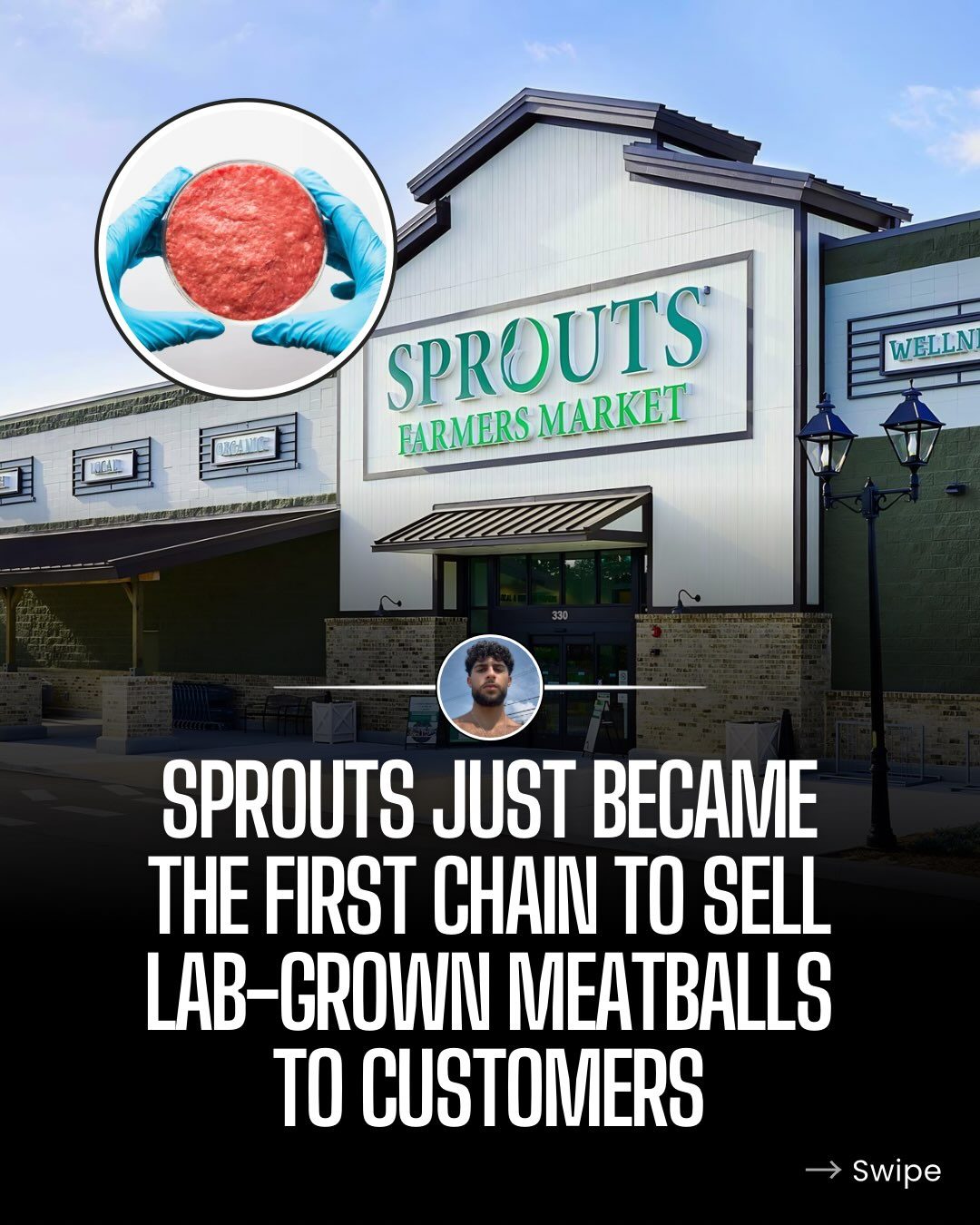
Lab-Grown Meatballs and Why They're in Stores
Understanding the rise of lab-grown meatballs and how to identify them on store shelves.
Why This Matters
The food industry is evolving, and one of the most significant developments is the emergence of lab-grown meat. Major retailers like Sprouts Farmers Market are already stocking these products, marking a new era in meat production. Lab-grown meat, also known as cell-cultivated meat, is produced from animal cells without the need to raise and slaughter animals. This innovation offers potential benefits for sustainability, animal welfare, and food safety, making it a critical topic for anyone interested in the future of food. But before diving into the practical aspects, it's essential to understand the terminology and labeling practices surrounding this new technology.
Understanding Lab-Grown Meat
The Science Behind Lab-Grown Meat
Lab-grown meat is created by cultivating animal cells in a controlled environment, typically in a large tank called a bioreactor. This process involves feeding the cells specific nutrients that promote growth, mimicking the natural development of muscle tissue. The result is meat that contains real animal protein but is produced without the environmental and ethical concerns associated with traditional livestock farming.
The Terminology: Cell-Cultivated vs. Lab-Grown
The language used to describe lab-grown meat can be confusing. Companies often avoid terms like "lab-grown" or "synthetic" because these phrases might deter consumers. Instead, they opt for more neutral terms like "cell-cultured" or "cell-cultivated" to make the product sound more natural. For example, Sprouts Farmers Market sells meatballs produced by Mission Barns, a company embracing the term "cell-cultivated" in its marketing.
The Ingredients: What's in Lab-Grown Meatballs?
The meatballs sold at Sprouts are made from a combination of cell-cultivated pork and plant protein. This blend aims to replicate the taste and texture of traditional meatballs while incorporating the benefits of lab-grown meat. The cell-cultivated pork provides the authentic meat flavor, while the plant protein adds structure and nutritional value.
Lab-Grown Meatballs at Sprouts Farmers Market
The Role of Mission Barns
Mission Barns is a pioneering company in the lab-grown meat industry. Partnering with Sprouts Farmers Market, they have introduced cell-cultivated meatballs to the market. These meatballs are positioned as an innovative and sustainable alternative to traditional meat products, offering consumers a new option that aligns with growing concerns about environmental impact and animal welfare.
The Innovative Nature of the Product
The availability of lab-grown meatballs at Sprouts represents a significant milestone in the food industry. As the first chain to sell these products, Sprouts is at the forefront of this technological advancement. The product's innovative nature is highlighted in the packaging and shelf displays, emphasizing the cutting-edge science behind its creation. By making these meatballs accessible to customers, Sprouts is contributing to the normalization of lab-grown meat in everyday diets.
The Marketing Strategy
Sprouts and Mission Barns have employed a marketing strategy that focuses on transparency and sustainability. The packaging of the meatballs clearly states that they are "cell-cultivated," ensuring that consumers are aware of the product's origins. The use of the term "Real pork without the pig" on the packaging further underscores the authenticity of the meat while emphasizing the ethical advantages of lab-grown meat.
Practical Tips for Identifying Lab-Grown Meat
Read the Labels
When shopping for meat products, it is crucial to read the labels carefully. Lab-grown meat will not be labeled as "lab-grown" or "synthetic." Instead, look for terms like "cell-cultured" or "cell-cultivated." These terms indicate that the meat has been produced in a laboratory using animal cells.
Understand the Keywords
Becoming familiar with the specific terminology used in lab-grown meat labeling can help you identify these products. Keywords to look for include "cell-cultured" and "cell-cultivated." These terms signal that the meat has been produced using innovative technology rather than traditional farming methods.
Ask Questions
If you're unsure about the origin of a meat product, don't hesitate to ask store employees or check the manufacturer's website. Many companies, like Mission Barns, provide detailed information about their production processes, ingredients, and sustainability practices. This transparency can help you make informed purchasing decisions.
Important Takeaways
The Future of Meat
Lab-grown meat represents a significant shift in the way meat is produced and consumed. With companies like Mission Barns and retailers like Sprouts leading the way, this innovation is poised to become more prevalent in the market. As technology advances, the production of lab-grown meat will likely become more efficient and cost-effective, making it a viable option for a broader range of consumers.
Sustainability and Ethics
One of the primary advantages of lab-grown meat is its potential to reduce the environmental impact of livestock farming. By eliminating the need for large-scale animal husbandry, lab-grown meat can help lower greenhouse gas emissions, water usage, and land use. Additionally, the ethical considerations surrounding animal welfare are addressed, as lab-grown meat does not involve the raising and slaughtering of animals.
The Role of Retailers
Retailers like Sprouts play a crucial role in bringing lab-grown meat to the mainstream. By stocking these products and providing clear labeling, they help consumers make informed choices and support sustainable food production. The collaboration between retailers and innovative companies like Mission Barns is essential for driving the growth and acceptance of lab-grown meat.
Conclusion
Lab-grown meatballs, such as those produced by Mission Barns and sold at Sprouts Farmers Market, represent an exciting development in the food industry. By understanding the terminology, reading labels carefully, and asking questions, you can make informed decisions about the meat products you consume. This new technology offers a sustainable and ethical alternative to traditional meat, contributing to a healthier and more environmentally friendly future. As lab-grown meat becomes more accessible, it will undoubtedly shape the way we think about and consume meat in the years to come.
Watch the Reel
Questions readers ask
What exactly are lab-grown meatballs and how are they made?
Lab-grown meatballs are made from cell-cultivated pork and plant protein. They are produced by cultivating animal cells in a laboratory setting, without the need for traditional livestock farming. This process involves taking a small number of cells from an animal and growing them in a nutrient-rich medium until they form meat tissue.
Why are lab-grown meatballs considered a sustainable alternative?
Lab-grown meatballs are considered sustainable because they significantly reduce the environmental impact compared to traditional livestock farming. They require less land, water, and feed, and produce fewer greenhouse gas emissions, making them an eco-friendly choice for consumers.
What is the difference between lab-grown meatballs and plant-based meatballs?
While both are ethical meat alternatives, lab-grown meatballs are made from actual animal cells, providing a more similar taste and texture to traditional meatballs. In contrast, plant-based meatballs are made from plant proteins and other ingredients designed to mimic the taste and texture of meat, but they do not contain any animal cells.
How can I identify lab-grown meatballs at Sprouts Farmers Market?
Lab-grown meatballs at Sprouts Farmers Market can be identified by their specific labeling. Look for products that clearly state they are made from 'lab-grown' or 'cell-cultivated' meat. These labels will also often highlight the environmental and ethical benefits of choosing lab-grown meat. The packaging will usually have a distinct design, making it easy to spot among other meat products.
What are the potential benefits of lab-grown meat for animal welfare?
Lab-grown meat offers significant benefits for animal welfare. Since it is produced from animal cells in a controlled environment, there is no need to raise and slaughter animals for meat. This process eliminates the ethical concerns associated with animal agriculture, such as animal suffering and inhumane treatment, making it a more compassionate option for meat consumption.
Are lab-grown meatballs as nutritious as traditional meatballs?
Lab-grown meatballs are designed to have a similar nutritional profile to traditional meatballs. They provide protein and essential nutrients found in meat, making them a viable alternative for those looking to reduce their environmental impact without sacrificing nutritional intake. However, the exact nutritional content can vary by brand, so it's always a good idea to check the product labels for specific details.
Related deep dives
Similar reads based on topic and creator.

Recent articles
Fresh deep dives from the latest Reels we unpacked.




Comments
Be the first to comment.