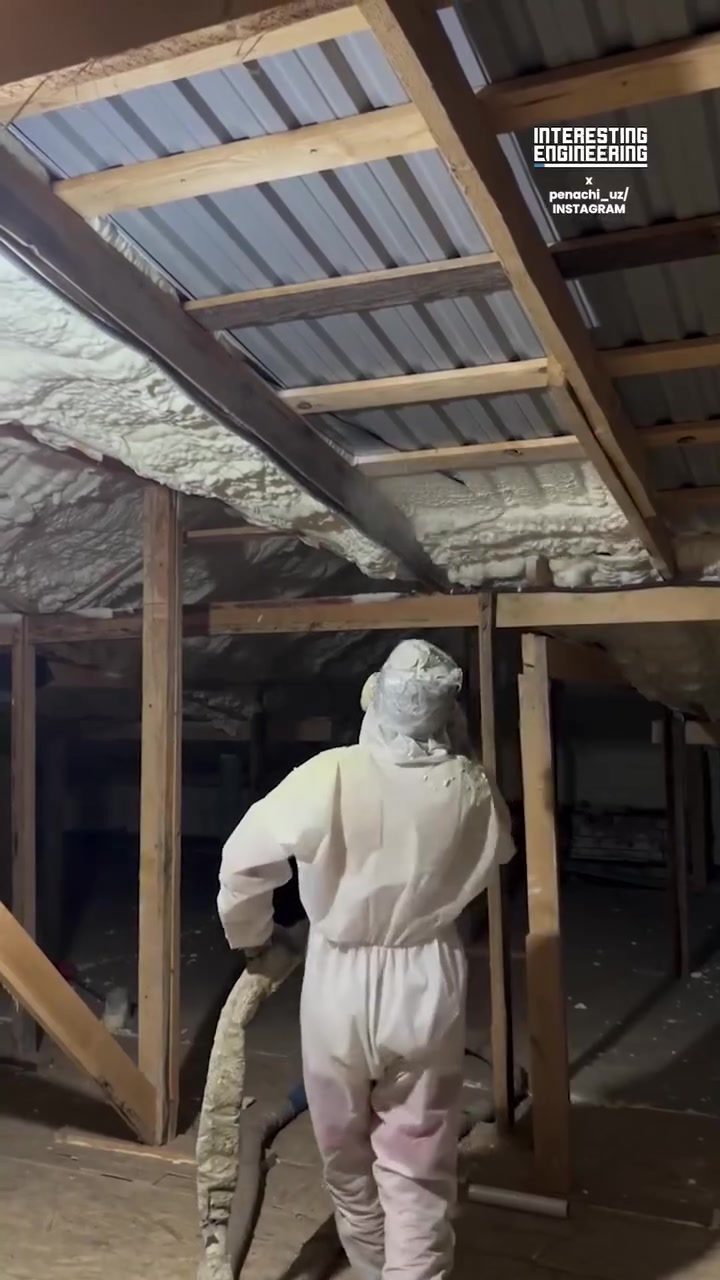
Spray Foam Insulation: Benefits and Removal Process
Spray foam insulation is a versatile and effective solution for enhancing the energy efficiency of residential and commercial buildings. This type of insulation is applied to the underside of roofs, expanding rapidly to fill gaps and cracks, and creating a seamless barrier that improves thermal performance and reduces moisture intrusion.
Why This Matters
In today’s energy-conscious world, efficient insulation is crucial for maintaining a comfortable indoor environment while minimizing energy costs. Unlike traditional insulation materials, spray foam insulation offers a range of benefits that make it a preferred choice for many homeowners and contractors.
Benefits and Applications
Versatility in Application
Spray foam insulation can be applied to various surfaces and shapes, making it ideal for attics, crawl spaces, and metal structures. Its liquid form allows it to expand and conform to irregular surfaces, ensuring complete coverage and eliminating air leaks. This versatility makes it a practical solution for both new construction and retrofitting existing buildings.
Superior Energy Efficiency
One of the standout features of spray foam insulation is its ability to significantly improve energy efficiency. It creates an effective air barrier, preventing the transfer of heat and cold. This results in lower energy bills and a more comfortable living environment, as the insulation keeps the indoor temperature stable.
Moisture Control
In addition to its thermal benefits, spray foam insulation helps control moisture. By sealing gaps and cracks, it prevents water vapor from entering the building, reducing the risk of mold and mildew growth. This is particularly important in areas with high humidity or frequent rainfall, where moisture control is essential for maintaining structural integrity.
Air Quality Improvement
Spray foam insulation also contributes to better indoor air quality. By creating a tight seal, it prevents allergens, dust, and other pollutants from entering the living space. This is especially beneficial for people with allergies or respiratory issues, as it helps maintain a cleaner and healthier indoor environment.
Removal Process
Specialized Equipment
Removing spray foam insulation requires specialized equipment. The process typically involves using a machine designed to scrape or shave off the insulation without damaging the underlying structure. This equipment ensures that the removal process is efficient and minimizes mess and waste.
Safety Measures
Proper safety gear is essential for anyone involved in the removal process. This includes protective suits, gloves, and respirators to protect against exposure to the insulation material. Given the potential for dust and debris, safety precautions are crucial for maintaining a safe working environment.
Challenges in Removal
The removal process can be quite messy, especially in an unfinished attic space. The presence of exposed wooden beams and rafters requires careful handling to avoid damaging the structure. Additionally, ensuring that all insulation material is removed without leaving residue is a key challenge.
Practical Tips for Effective Application
Professional Installation
For the best results, it is highly recommended to have spray foam insulation professionally applied. Professionals have the necessary training and equipment to ensure that the insulation is applied correctly and evenly, maximizing its effectiveness.
Regular Inspections
Regular inspections of the insulation can help identify any issues early and ensure that it continues to perform optimally. Checking for signs of wear, damage, or moisture intrusion can prevent more significant problems from developing.
Important Takeaways
Spray foam insulation is a highly effective solution for improving energy efficiency, controlling moisture, and enhancing indoor air quality. Its versatility and durability make it suitable for a wide range of applications, from residential attics to commercial buildings. However, the removal process requires specialized equipment and safety measures to ensure it is done efficiently and safely.
Conclusion
Spray foam insulation offers numerous benefits, making it a valuable addition to any building. Its ability to seal air leaks, control moisture, and improve thermal performance makes it a top choice for enhancing energy efficiency. Whether you are considering installing new insulation or need to remove existing material, understanding the benefits and processes involved can help you make informed decisions.
Watch the Reel
Recent articles
Fresh deep dives from the latest Reels we unpacked.




Comments
Be the first to comment.