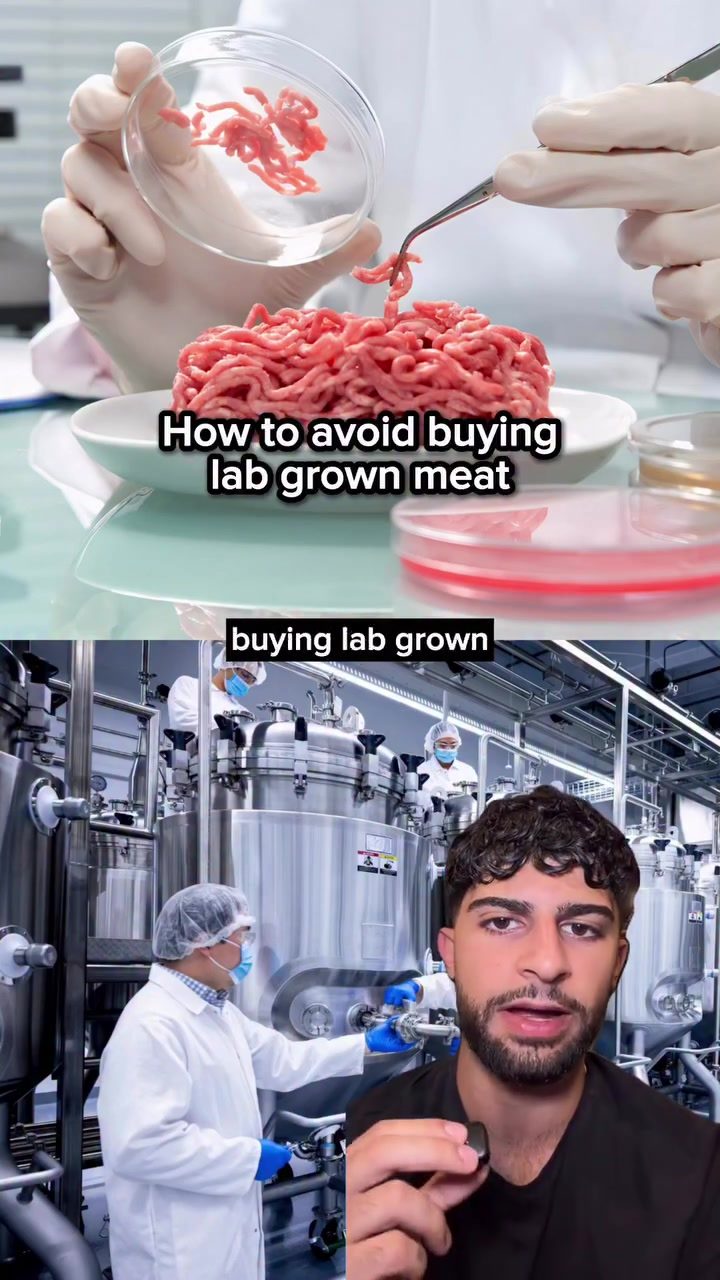
Lab-Grown Meat: How to Identify It in the Grocery Store
Lab-grown, or cell-cultured, meat is increasingly becoming a part of the food supply. This product is grown from animal cells in a laboratory, rather than being sourced from livestock. As it becomes more common, it's essential to know what to look out for to make informed choices.
Understanding Lab-Grown Meat
Lab-grown meat is produced by taking animal cells and cultivating them in a controlled environment, typically a large tank called a bioreactor. These cells are fed nutrients to grow and develop into meat. The process is quite different from traditional meat production, which involves raising and slaughtering animals.
The terminology used for lab-grown meat can be misleading. Companies often avoid the terms "lab-grown" or "synthetic" because they understand that such labels might deter consumers. Instead, they use softer-sounding phrases that make the product seem more natural. The key phrases to look out for are "cell-cultured" or "cell-cultivated" meat. If you see these terms on a label, it indicates that the meat is grown in a laboratory.
Why This Matters
The increasing presence of lab-grown meat in grocery stores is a significant shift in the food industry. The U.S. Food and Drug Administration (FDA) has already approved it, and it's only a matter of time before lab-grown meat becomes widely available. This shift will impact consumer choices, environmental concerns, and even ethical considerations.
Some people may prefer lab-grown meat for environmental reasons. Traditional meat production contributes to greenhouse gas emissions and requires significant land and water resources. Lab-grown meat, on the other hand, can be produced with fewer resources and may have a smaller environmental footprint.
However, others may have concerns about the taste, texture, and safety of lab-grown meat. Additionally, there are ethical considerations about the use of animal cells and the potential implications for animal welfare.
Identifying Lab-Grown Meat on Store Shelf
When shopping for meat, it's crucial to read the labels carefully. Lab-grown meat will not be labeled as "lab-grown" or "synthetic." Instead, look for the terms "cell-cultured" or "cell-cultivated." These terms indicate that the meat is produced in a laboratory and not from traditional livestock.
Reading Labels
Checking the product labels is your first line of defense. Lab-grown meat will typically include the terms "cell-cultured" or "cell-cultivated" on the packaging. These terms may be used interchangeably, so be on the lookout for any variations. When a product includes these phrases, it means the meat is grown from animal cells in a bioreactor.
What to Look For
When examining the packaging, pay close attention to the following details:
- Ingredients List: Check for any unfamiliar ingredients or additives that might indicate the meat is lab-grown.
- Certifications and Labels: Look for any certifications or additional labels that might provide more information about the product's origin.
- Branding: Some brands may be more transparent about their use of lab-grown meat. Research brands that are known for their transparency and ethical practices.
The Process Behind Lab-Grown Meat
Understanding the process behind lab-grown meat can help you make more informed decisions. Here's a breakdown of how lab-grown meat is produced:
- Cell Extraction: Animal cells are extracted from a small tissue sample. These cells can come from various parts of the animal, such as muscle or fat.
- Cell Cultivation: The extracted cells are placed in a bioreactor, a large tank containing a nutrient-rich growth medium. The cells are fed nutrients and grow into muscle tissue.
- Harvesting: Once the cells have grown into a sufficient amount of meat, they are harvested and processed.
Practical Tips
When shopping for meat, follow these practical tips to ensure you are making informed choices:
- Know the Key Terms: Familiarize yourself with the terms "cell-cultured" and "cell-cultivated." These are the key indicators that the meat is lab-grown.
- Ask Questions: Don't hesitate to ask store employees or the manufacturer for more information about the meat's origin.
- Compare Prices: Lab-grown meat may be priced differently from traditional meat. Comparing prices can help you understand the market dynamics and make a more informed decision.
Important Takeaways
- The presence of lab-grown meat in grocery stores is increasing, and it’s crucial to be able to identify it.
- Lab-grown meat will not be labeled as "lab-grown" or "synthetic." Instead, look for the terms "cell-cultured" or "cell-cultivated" on the packaging.
- Lab-grown meat is produced in a laboratory from animal cells grown in a bioreactor.
- The FDA has approved lab-grown meat, and it is only a matter of time before it becomes widely available in all grocery stores.
- Lab-grown meat has both environmental and ethical implications, and consumers should consider these factors when making purchasing decisions.
Conclusion
As lab-grown meat becomes more prevalent in the food supply, it's essential to be an informed consumer. By understanding the terminology and processes involved, you can make choices that align with your preferences and values. Paying attention to labels and asking questions can help you navigate the evolving landscape of meat products. Whether you prefer traditional meat or lab-grown alternatives, being aware of what you're buying is key to making informed decisions.
Watch the Reel
Questions readers ask
What is lab-grown meat and how is it produced?
Lab-grown meat, also called cell-cultured meat, is produced by cultivating animal cells in a controlled environment, such as a bioreactor. The process involves taking cells from an animal and growing them in a nutrient-rich solution, which allows the cells to develop into meat, mimicking the structure of conventionally sourced meat. It does not involve raising and slaughtering livestock.
What should I look for when buying lab-grown meat in the grocery store?
When looking for lab-grown meat, you should focus on the product labels. Key terms to watch for are 'cell-cultured,' 'lab-grown,' or 'lab-cultured.' Terms like 'synthetic' might also be listed, but be aware that not all lab-grown meats are synthetic. Some companies might use other phrases to describe the process, so it's helpful to familiarize yourself with the terminology.
Is lab-grown meat the same as synthetic meat?
Lab-grown meat and synthetic meat are related but not the same. Lab-grown meat is produced from real animal cells, while synthetic meat might refer to products that mimic meat using plant-based or other non-animal ingredients. When shopping, look for specific terms like 'cell-cultured' or 'lab-grown' to ensure you are purchasing meat derived from animal cells.
How is lab-grown meat labeled, and what terms should I be aware of?
Lab-grown meat labeling can vary, but it typically includes terms like 'cell-cultured,' 'lab-grown,' or 'lab-cultured.' Some products might use more generic terms, so double-check the ingredients list and any additional information on the packaging. When in doubt, look for certifications or information from reputable sources.
Where can I find lab-grown meat in grocery stores?
Lab-grown meat is becoming more widely available, but it may not be stocked in every grocery store yet. Check the meat or specialty sections of your local grocery store, or look for it in the freezer aisle. You might also find it in health-focused or specialty food stores, or online. Popular retailers are increasingly offering it, so consider checking the websites of grocery stores in your area.
What should I do if I can't find lab-grown meat in the store?
If you can't find lab-grown meat in your local grocery store, you can try looking for it online. There are several websites and online retailers that specialize in lab-grown meat and other innovative food products. Alternatively, you can check with your local grocery store to see if they plan to stock lab-grown meat in the future, or request that they do so.
How is lab-grown meat produced on a large scale?
Large-scale production of lab-grown meat involves using large bioreactors to cultivate animal cells. These bioreactors provide a controlled environment where cells can be grown efficiently and in large quantities. The process includes monitoring and optimizing growth conditions, such as nutrient supply and temperature, to ensure consistent and high-quality meat production.
Related deep dives
Similar reads based on topic and creator.


Recent articles
Fresh deep dives from the latest Reels we unpacked.




Comments
Be the first to comment.