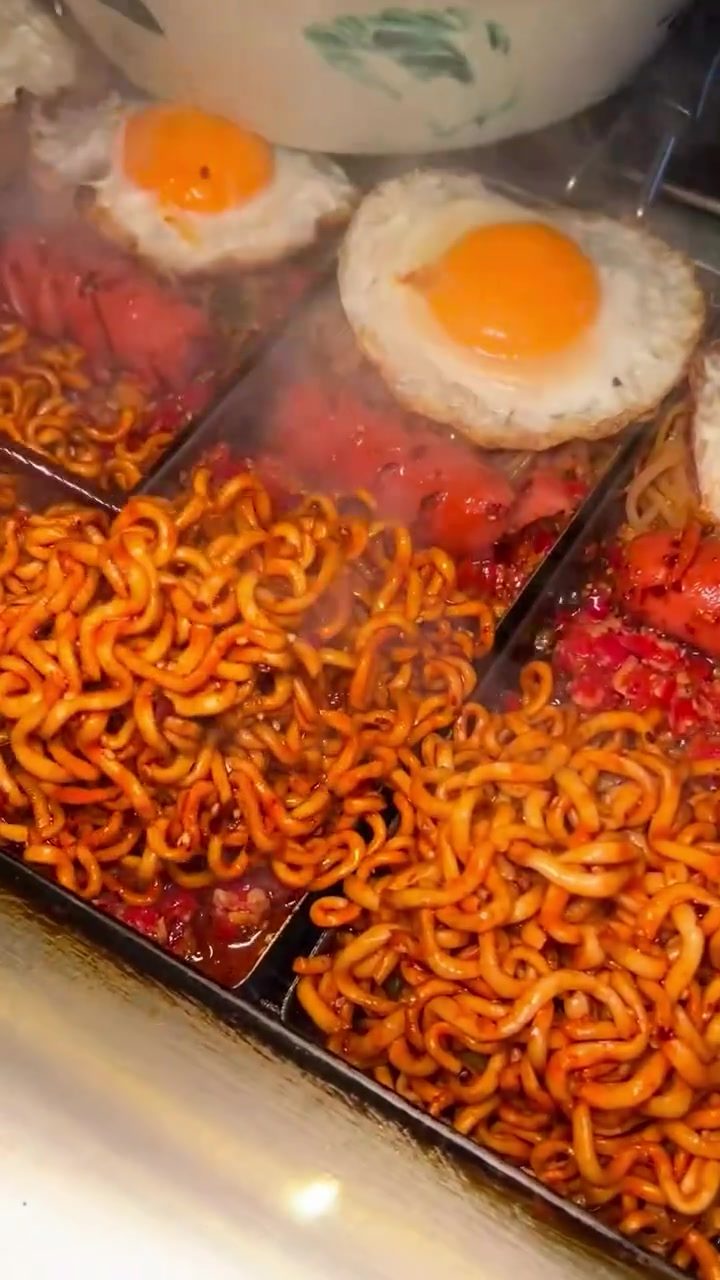
Spicy Korean Noodles: A Culinary Adventure
Introduction
Korean cuisine is renowned for its bold flavors and unique combinations, and one dish that perfectly encapsulates this is spicy Korean noodles. This dish is a delightful blend of chewy noodles, a rich red sauce, and an array of savory ingredients. Whether you're a seasoned foodie or just looking to try something new, spicy Korean noodles offer a culinary experience that is both exciting and satisfying.
Context / Why This Matters
Spicy Korean noodles are more than just a meal; they are a celebration of Korean culinary traditions. The dish combines the umami-rich flavors of Korean red sauce with the comforting texture of noodles, creating a perfect balance of heat and comfort. Understanding the key ingredients and techniques involved in preparing this dish can help you appreciate the depth and complexity of Korean cuisine.
Main Discussion
Ingredients: The Heart of the Dish
The key to a delicious spicy Korean noodle dish lies in its ingredients. The red sauce, often made from gochujang (Korean chili paste), provides the signature spicy kick. This sauce is not only flavorful but also adds a vibrant color to the dish. The noodles themselves can vary, but they are typically prepared with Korean wheat noodles, which have a unique chewiness that pairs well with the sauce.
Meat and vegetables are essential components of this dish. Common choices include thinly sliced beef or pork, along with a variety of vegetables such as cabbage, carrots, and green onions. These ingredients are stir-fried to perfection, allowing their natural flavors to meld with the red sauce.
The Role of Fried Eggs
One of the distinctive features of this dish is the addition of fried eggs. The runny yolk creates a creamy contrast to the spicy sauce and crunchy vegetables, adding a layer of richness and depth to each bite. The eggs are typically fried until the edges are crispy, but the yolk remains soft and gooey.
The Stirring Process
The stirring process is a crucial step in preparing spicy Korean noodles. Chopsticks are commonly used to ensure that the ingredients are well combined without breaking the noodles. This technique allows the flavors to blend harmoniously, creating a cohesive and delicious dish.
Step-by-Step Cooking
-
Prepare the Sauce: Start by mixing gochujang with water, soy sauce, and a touch of sesame oil to create the red sauce. Adjust the consistency and spiciness to your liking.
-
Cook the Meat and Vegetables: Heat a pan and add a bit of oil. Stir-fry thinly sliced meat and your choice of vegetables until they are cooked to your desired tenderness.
-
Cook the Noodles: While the meat and vegetables are cooking, boil the noodles according to the package instructions. Drain and rinse them under cold water to prevent sticking.
-
Combine the Ingredients: In a large bowl, combine the cooked noodles, meat, vegetables, and the red sauce. Stir well to ensure everything is evenly coated.
-
Add the Fried Eggs: Fry an egg to your preferred doneness and place it on top of the noodle mixture.
-
Serve: Enjoy your spicy Korean noodles immediately while they are hot and the flavors are at their peak.
Practical Tips
Choosing the Right Noodles
Korean noodles come in various types, including wheat, buckwheat, and sweet potato starch. Each type has a unique texture and flavor profile. For a classic spicy noodle dish, wheat noodles are a popular choice due to their chewy texture. Buckwheat noodles, also known as soba, offer a nutty flavor and a slightly firmer texture, while sweet potato starch noodles, or dongjang, are soft and slippery.
Customizing the Spice Level
The spice level of your dish can be adjusted to suit your taste. Gochujang comes in different spice levels, so you can choose a milder or spicier version depending on your preference. Adding more or less of the gochujang sauce can also help you control the heat.
Adding Extra Flavor
To enhance the flavor of your spicy Korean noodles, consider adding additional ingredients like kimchi, mushrooms, or tofu. These additions can provide extra layers of flavor and texture, making the dish even more satisfying.
Garnishing for Presentation
Garnishing your dish can elevate its presentation and add a final touch of flavor. Common garnishes include chopped green onions, sesame seeds, and sliced chili peppers. These not only make the dish look more appealing but also add a burst of freshness and crunch.
Important Takeaways
Spicy Korean noodles are a delightful and versatile dish that combines a rich red sauce with a variety of savory ingredients. The key to a successful dish lies in the quality of the ingredients and the technique used to combine them. Whether you're a fan of spicy food or just looking to explore new culinary horizons, this dish offers a flavorful and satisfying experience.
Conclusion
Spicy Korean noodles are a testament to the vibrant and bold flavors of Korean cuisine. By understanding the key ingredients and techniques involved in preparing this dish, you can create a delicious and satisfying meal that will impress your friends and family. So, gather your ingredients, and dive into the world of spicy Korean noodles – your taste buds will thank you!
Watch the Reel
Questions readers ask
What is gochujang sauce and why is it essential for Korean spicy noodles?
Gochujang is a Korean chili paste made from gochugaru (red chili flakes), fermented soybeans, rice, and other seasonings, which gives it a depth of flavor and a rich, savory taste. It is essential for Korean spicy noodles as it provides the signature heat and umami flavor that defines the dish.
What types of noodles are commonly used in Korean spicy noodles?
The most common types of noodles used in Korean spicy noodles are naengmyeon (rice noodles) and udon (thick wheat flour noodles). However, you can also use somyeon (sweet potato starch noodles) or other similar noodles that hold up well to the spicy sauce.
Can I make spicy Korean noodles vegetarian or vegan?
Yes, you can easily make spicy Korean noodles vegetarian or vegan. Simply omit the meat or use vegetable broth for the noodle broth. Many of the ingredients in the recipe, including the noodles and gochujang sauce, are typically vegetarian or vegan-friendly.
What are some common ingredients used in spicy Korean noodles?
Common ingredients in spicy Korean noodles include gochujang, noodles (such as naengmyeon or udon), vegetables (like carrots, onions, and zucchini), meat (such as beef, pork, or chicken), garlic, soy sauce, and sesame oil. These ingredients create a rich, flavorful broth that coats the noodles.
What is the best way to cook the noodles for spicy Korean noodles?
To cook the noodles for spicy Korean noodles, start by cooking them according to the package instructions until they are al dente. Then, rinse them under cold water to remove excess starch. This helps prevent the noodles from becoming too soft or mushy when mixed with the spicy sauce.
Related deep dives
Similar reads based on topic and creator.


Recent articles
Fresh deep dives from the latest Reels we unpacked.




Comments
Be the first to comment.