The Price of Prestige
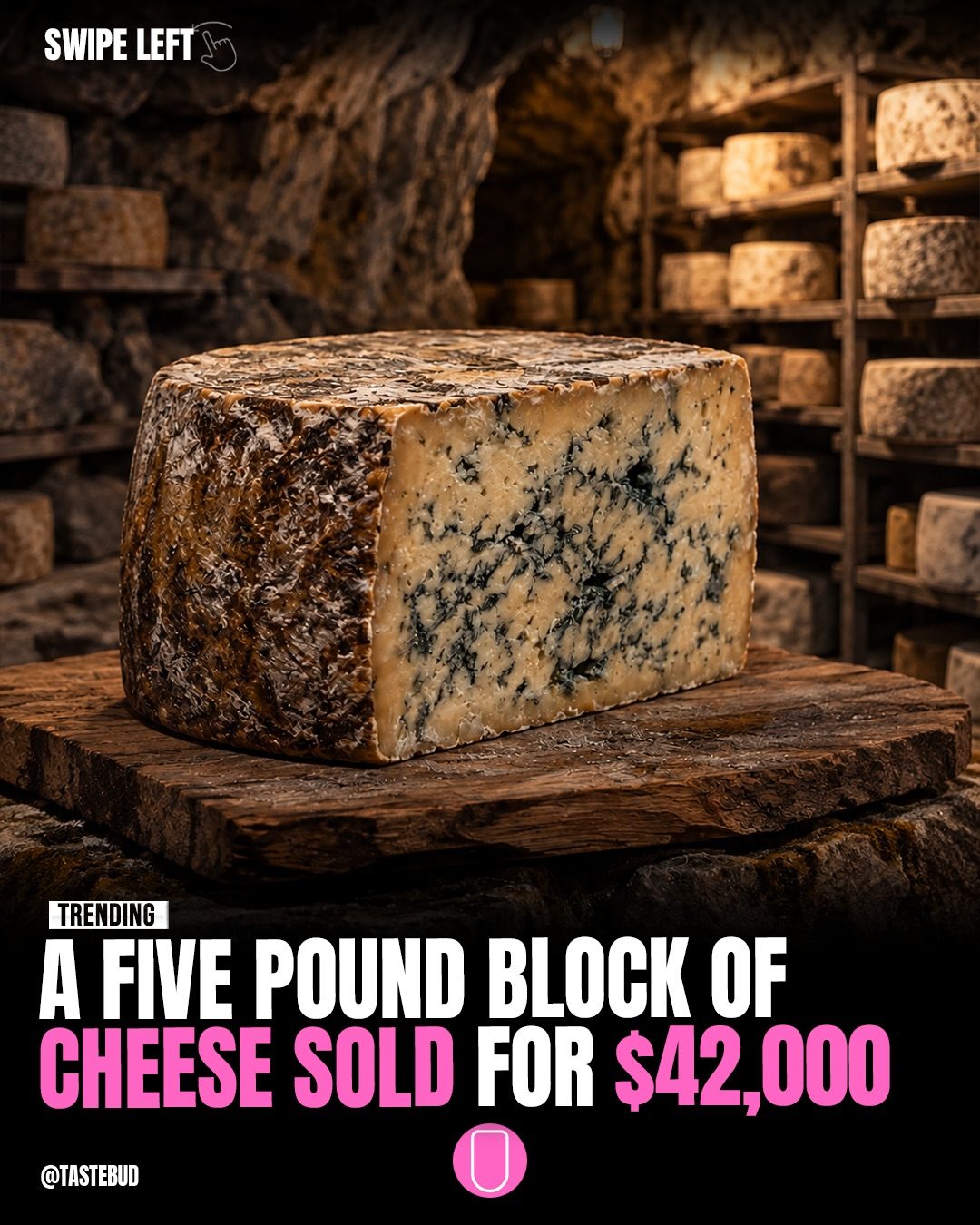
At the intersection of gourmet cuisine and excess lies a perplexing reality: a single block of blue cheese was sold for $42,232. This was no ordinary transaction. It was an auction sale of a cave-aged Spanish blue cheese. It set a world record. The mountain of blue cheese changed hands at an elite auction. The buyer? A savvy restaurant owner who saw beyond the immediate cost, perhaps considering the appeal of serving the world’s most expensive chunk of blue cheese to their clientele as a conversation starter. The transaction highlights how quality and exclusivity are priced. What’s known as the “value of rarity” is demonstrated by the auction sale of a five-pound block of cheese. A single restaurant owner paid for the most exclusive cheese for the sense of the value of owning such a rare ingredient. Price tags like this one are inherently a statement of taste and exclusivity for high-end restaurants. The purchase itself is as much a marketing strategy as it is a gastronomic adventure. The blue cheese came with a price tag almost indistinguishable from that of a luxury car.
The Rarity of Quality
Fine cheeses take years to achieve the desired taste. The cheese auction confirms why these cheeses command such prices. Blue cheese production often involves meticulous monitoring and care. The process includes specialized molds. Ensuring the cheese develops the desired texture and flavor is an art form. In addition, the product is kept in specific cave environments. Customers of fine dining restaurants are willing to pay a premium for such products. The cave-aged Spanish blue cheese auctioned for a staggering $42,232 exceeds the general market price for mild blue cheeses. This is not just about taste, but also about exclusivity. Gourmet chefs and restaurateurs value the ability to serve rare, high-quality ingredients. This isn’t about occasional indulgence. The restaurant purchases this cheese to differentiate itself from others. Why they need this differentiation? It is beyond the realm of ordinary gastronomy.
The Psychology of Value
The auction sale of the expensive cheese raises questions about how value is perceived in the culinary world. The freshness and rarity are important. But the value of a high priced cheese also includes the psychological perception of eating something exclusive, special. The customer is not just paying for the taste, but for the experience. The aesthetic appeal of the product at the table is essential. The price tag becomes a marketing tool, creating an aura of luxury and exclusivity. The consumer’s perception gets elevated. Why would someone like the owner pay so much for cheese without considering the experience? The owner of the restaurant, however, may not be the one enjoying this cheese. It’s served to its customers and takes up valuable menu space. The price represents more than just the cost of ingredients, but the economic effect of being able to charge more for dishes — creating the perception that the wine or the meal should also be priced more.
The Value of Rarity
It’s a curious intersection of culinary art, marketing, and economics with the world record auction of a deluxe blue cheese. There is no denying the taste. In an industry where presentation and value matter, the world record auction can be a symbol of prestige. The world record shows the power of exclusivity to ordinary consumers and food critics. This is the power of the caved aged Spanish cheese to serve as a symbol of taste and taste. The value is not solely in the flavor — but the exclusivity it represents.
Watch the Reel
Related deep dives
Similar reads based on topic and creator.

Recent articles
Fresh deep dives from the latest Reels we unpacked.
Comments
Be the first to comment.