The Generosity of Spanish Bakeries: A Tradition of Sharing
In certain regions of Spain, local bakeries uphold a heartwarming tradition that combines community support with practical solutions for reducing food waste. At the end of each day, unsold bread is placed outside in bags, available for anyone in need to take without any direct interaction. This thoughtful practice not only helps to minimize waste but also maintains the dignity of those facing food insecurity.
Why This Matters
The tradition of leaving unsold bread outside for anyone in need is more than just a gesture of kindness. It highlights the importance of community support and the role that local businesses can play in addressing broader societal issues. By making bread available to those who need it, these bakeries are actively contributing to the well-being of their community. The practice is simple, yet powerful, demonstrating how everyday actions can have a significant impact. It also serves as a model for other businesses and communities looking to integrate similar practices into their operations.
The Tradition: A Closer Look
The Practice
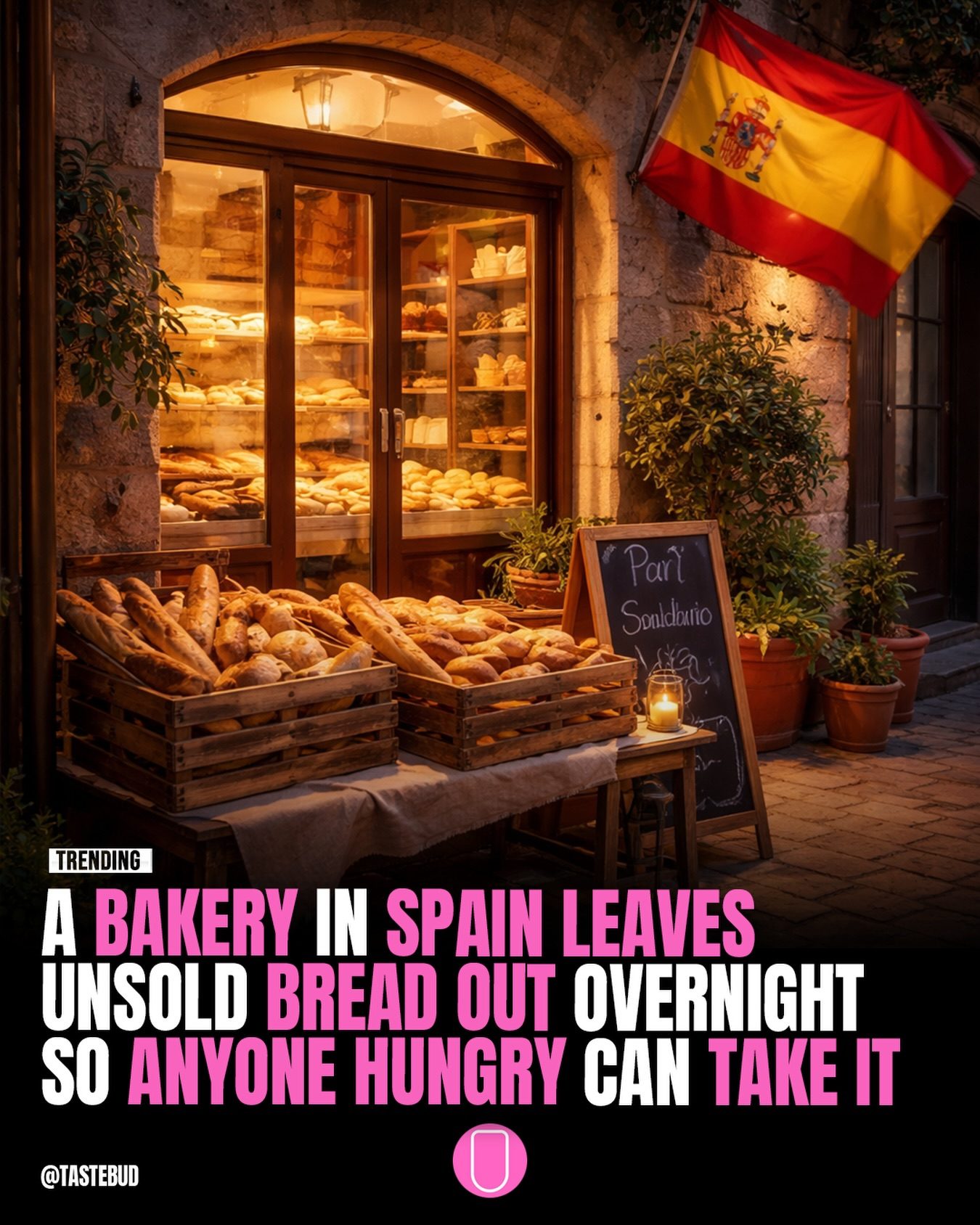
At the heart of this tradition is the act of leaving unsold bread outside for anyone to take. Fresh loaves are placed in bags and left on the exterior walls of the bakery. This method allows people to take the bread without any direct interaction, which is crucial for preserving the dignity of those who may be in need. The bakeries do not advertise this practice, making it a quiet yet impactful way to support the community.
The Bread
The bread left outside is typically fresh and of high quality, just like the loaves sold during the day. This ensures that anyone who takes the bread receives a good meal. The types of bread can vary, from traditional Spanish loaves to more specialized items. The variety reflects the diversity of Spain's baking traditions, offering a range of options for those who take them.
The Placement
The bread is usually placed in a visible and accessible location, such as on a wooden crate or in a designated area outside the bakery. This placement makes it easy for anyone passing by to see and take the bread. The location is also chosen to ensure that the bread remains fresh and safe from contamination, providing a reliable source of nourishment for those in need.
The Community
The community response to this practice has been overwhelmingly positive. Those who take the bread appreciate the gesture, and the community as a whole benefits from the reduced food waste and increased sense of support. The bakeries often report that the bread is taken quickly, indicating a genuine need and appreciation for the gesture.
Practical Tips for Bakeries: Implementing a Similar Program
While this practice originated in Spain, similar initiatives can be adopted by bakeries and businesses around the world. Here are some practical tips for implementing a similar program:
Assess Your Inventory
Start by assessing your daily inventory to determine how much unsold bread you typically have. This will help you decide on the scale of your program and the resources you need.
Find a Suitable Location
Choose a location outside your bakery where the bread can be safely and visibly placed. This could be a designated shelf, a wooden crate, or a covered area to protect the bread from the elements.
Ensure Freshness
Make sure the bread is fresh and safe for consumption. If needed, use protective packaging to maintain its quality.
Communicate Clearly
Although the practice in Spain does not involve advertising, a subtle sign or label can help communicate the purpose of the bread to people who might not be aware of the initiative.
Monitor and Adjust
Keep an eye on how quickly the bread is taken and adjust the quantity accordingly. This will help you maintain a steady supply without leading to unnecessary waste.
Important Takeaways
Community Support
The tradition in Spanish bakeries shows that local businesses can play a crucial role in supporting their communities. By sharing unsold bread, bakeries are not only helping those in need but also fostering a sense of community and mutual support.
Reducing Waste
This practice is an effective way to reduce food waste, which is a significant global issue. By ensuring that unsold bread is put to good use, bakeries contribute to a more sustainable and eco-friendly approach to food management.
Preserving Dignity
The method of leaving the bread outside, without direct interaction, is particularly meaningful. It allows individuals to take the bread without feeling stigmatized or judged, preserving their dignity in a time of need.
Conclusion
In Spain, the tradition of local bakeries leaving unsold bread outside for anyone in need is a powerful example of how small, everyday actions can have a significant impact on a community. This practice not only helps to reduce food waste and support those in need but also fosters a sense of community and mutual support. By following the tips outlined, bakeries around the world can implement similar programs, contributing to a more supportive and sustainable society.
Watch the Reel
Questions readers ask
What regions in Spain are known for the bread sharing tradition?
While the article does not specify exact regions, this tradition is prevalent in certain parts of rural Spain. These areas maintain a strong sense of community and have embraced this practice as a way to support local residents and reduce waste.
How does the bread donation practice work in these Spanish bakeries?
At the end of each day, bakeries place unsold bread in bags outside their shops. This bread is freely available for anyone in need to take without any direct interaction, ensuring a discreet and dignified process for those who need it.
What motivates Spanish bakeries to adopt this food waste solution?
These bakeries are motivated by a desire to support their communities and reduce waste. By donating unsold bread, they address both food insecurity and environmental concerns, demonstrating a commitment to community well-being.
Can this tradition be replicated in other countries?
Yes, the simplicity and effectiveness of this practice make it a viable model for other countries. Local businesses can adopt similar initiatives to support their communities and contribute to waste reduction efforts. This tradition can be easily adapted to fit the unique needs and cultures of different regions.
How does this practice benefit the local community?
This practice benefits the local community in several ways. It provides food for those in need while maintaining their dignity, reduces food waste, and encourages a sense of community support. Additionally, it sets a positive example for other local businesses to engage in similar initiatives.
What impact does this tradition have on food waste in Spain?
This tradition significantly reduces food waste by ensuring that unsold bread is consumed rather than discarded. By making bread available to those in need, bakeries minimize their environmental impact and contribute to a more sustainable food system.
Is this the only way Spanish bakeries contribute to their communities?
While this article focuses on the bread donation practice, many Spanish bakeries contribute to their communities in various ways. Some may offer discounts to local residents, host community events, or support local charities, demonstrating a broader commitment to community well-being.
Related deep dives
Similar reads based on topic and creator.


Recent articles
Fresh deep dives from the latest Reels we unpacked.




Comments
Be the first to comment.