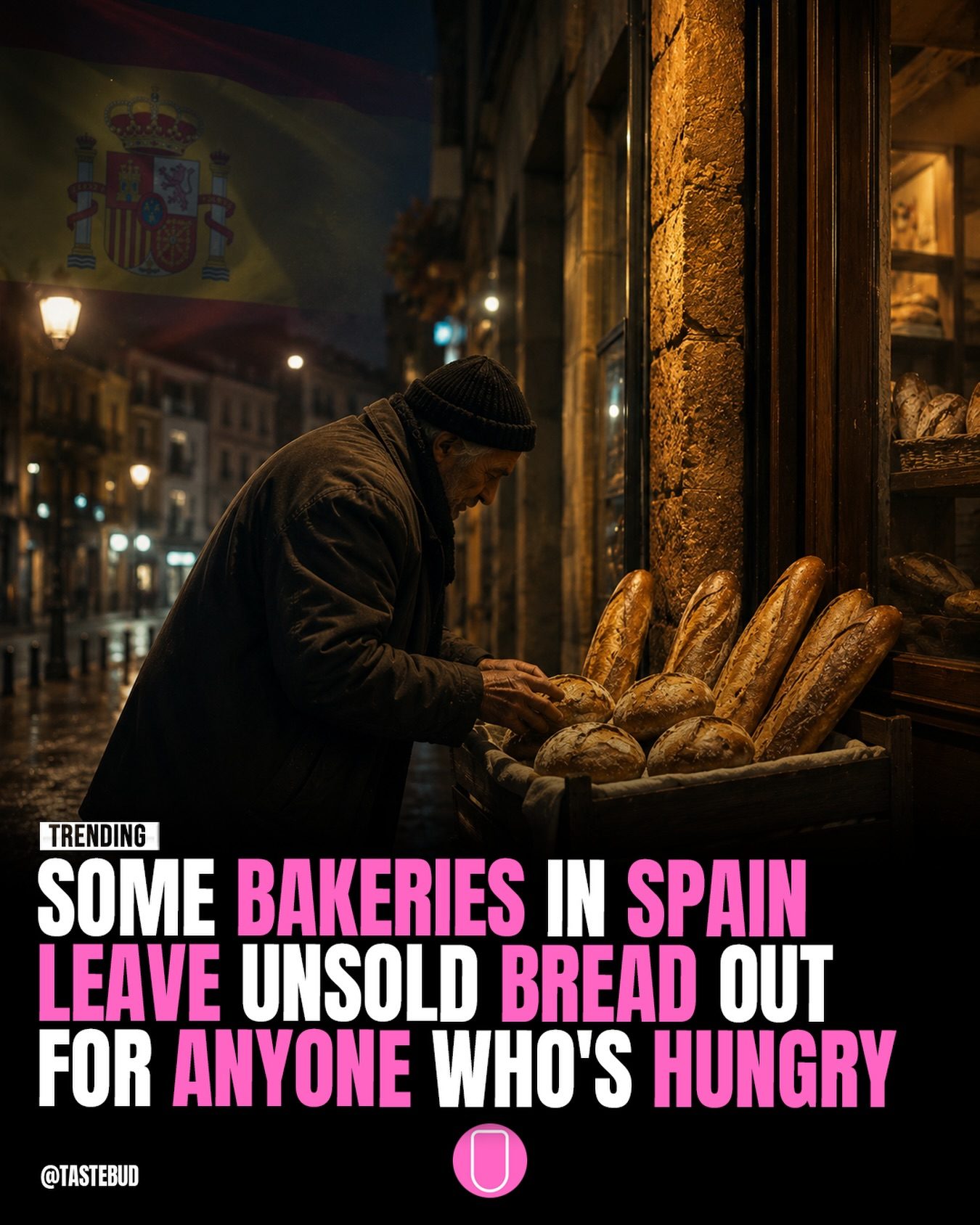
Spanish Bakery Tradition: Reducing Food Waste with Dignity
In parts of Spain, bakeries are adopting simple yet impactful practices to reduce food waste and support their communities. These efforts go beyond just sustainability; they address the dignity of those in need. Let's delve into the heartwarming tradition of sharing unsold bread and the innovative concept of "suspended bread."
Why This Matters
Food waste is a global issue with significant environmental and economic implications. In Spain, bakeries are taking proactive steps to minimize this waste while ensuring that fresh, edible bread finds its way to those who need it most. These initiatives highlight the power of small, community-driven actions in creating a more sustainable and compassionate society. By addressing food waste and supporting those in need, these bakeries exemplify how businesses can play a pivotal role in community welfare.
The Tradition of Sharing Unsold Bread
The practice of leaving unsold bread out for anyone who is hungry is a longstanding tradition in some Spanish bakeries. This simple act not only reduces food waste but also provides a lifeline for individuals and families facing food insecurity. The bakeries’ decision to share unsold bread rather than discard it shows a deep commitment to both environmental sustainability and community support.
How It Works
Bakeries that participate in this tradition typically set aside unsold bread at the end of the day. This bread is then made available to anyone who might be hungry. This practice ensures that fresh, high-quality bread does not go to waste and instead reaches those who can benefit from it the most. The act of leaving the bread out not only reduces waste but also fosters a sense of community and mutual support.
Benefits for the Community
For those in need, this tradition provides a reliable source of fresh food. It allows individuals to receive food without the stigma that can sometimes be associated with traditional food assistance programs. This approach maintains the dignity of those who receive the bread, as they can access it anonymously and without any bureaucratic hurdles.
The Innovation of "Suspended Bread"
Some bakeries have taken this concept a step further with the idea of "suspended bread." This innovative practice allows customers to pay for an extra loaf of bread, which is then set aside for someone in need. This approach not only helps reduce food waste but also encourages a sense of community and shared responsibility.
The Mechanics of "Suspended Bread"
In bakeries that offer "suspended bread," customers can choose to pay for an extra loaf of bread. This loaf is then added to a special section of the bakery, where it remains available for anyone who needs it. The system relies on the generosity of customers and the discretion of the bakery staff to ensure that the bread reaches those who need it most.
Community Impact
The concept of "suspended bread" has a profound impact on the community. It fosters a sense of mutual care and responsibility, as customers actively participate in supporting those in need. This practice also helps to destigmatize food assistance, as it is seen as a normal and accepted part of the community. By integrating this practice into their daily operations, bakeries not only reduce food waste but also strengthen the bonds within their communities.
Practical Tips for Implementing These Practices
If you are a baker or business owner interested in implementing similar practices, here are some practical tips to get you started:
Start Small
Begin with a small initiative, such as setting aside a few loaves of unsold bread each day. This allows you to gauge the demand and adjust your practices accordingly. Over time, you can expand the program based on the feedback and support from your community.
Communicate Effectively
Clearly communicate your initiative to both your customers and the community. Use signage in your store, social media posts, and local partnerships to spread the word about your efforts. Transparency can help build trust and encourage community participation.
Engage Your Community
Engage with local organizations and community leaders to identify the best ways to distribute the bread. Collaboration can help ensure that the bread reaches those who need it most and can also provide valuable feedback for improving your program.
Foster a Culture of Sharing
Encourage your customers to participate in your initiative. Make it easy for them to contribute, whether through "suspended bread" purchases or other forms of support. Creating a culture of sharing can help sustain your efforts and make a lasting impact on your community.
Important Takeaways
The practices of sharing unsold bread and implementing "suspended bread" programs in Spanish bakeries serve as inspiring examples of how small, community-driven actions can make a big difference. These initiatives not only address food waste but also support those in need while maintaining their dignity. By adopting similar practices, businesses can contribute to a more sustainable and compassionate society.
Conclusion
In parts of Spain, bakeries are leading the way in reducing food waste and supporting their communities through thoughtful and compassionate practices. From sharing unsold bread to implementing "suspended bread" programs, these bakeries are making a real impact on both environmental sustainability and community welfare. By following their lead, we can all contribute to a more sustainable and caring world.
Watch the Reel
Questions readers ask
How do Spanish bakeries contribute to food waste reduction?
Spanish bakeries significantly reduce food waste by implementing community-focused practices. These include donating unsold bread to those in need, ensuring that fresh, edible bread is consumed rather than discarded. This approach not only minimizes waste but also supports local families facing food insecurity, fostering a culture of sustainability and compassion.
What is the 'suspended bread' concept?
The 'suspended bread' concept, or 'pan suspendido,' is an innovative initiative where customers can purchase extra bread for those in need. This practice ensures that anyone can pick up a loaf of bread free of charge, promoting a culture of community care and reducing waste.
How do these bakeries address the dignity of those in need?
These bakeries address the dignity of those in need by providing bread in a respectful and discreet manner. By donating unsold bread, they ensure that individuals and families facing food insecurity can access fresh food without feeling stigmatized. This approach supports both dignity and community building.
What are some of the benefits of community-focused bakeries in Spain?
Community-focused bakeries in Spain offer numerous benefits, including reduced food waste, support for local families, and the promotion of sustainable practices. These bakeries strengthen community ties by fostering a sense of mutual support and compassion, making them a cornerstone of local food initiatives.
How can other regions adopt similar practices to reduce food waste?
Other regions can adopt similar practices by encouraging local bakeries to donate unsold bread and promoting community-driven food programs. Establishing initiatives like 'suspended bread' can help reduce waste and support families in need. Community engagement and collaboration are key to implementing these sustainable practices effectively.
Related deep dives
Similar reads based on topic and creator.




Recent articles
Fresh deep dives from the latest Reels we unpacked.




Comments
Be the first to comment.