Heatwave in Europe
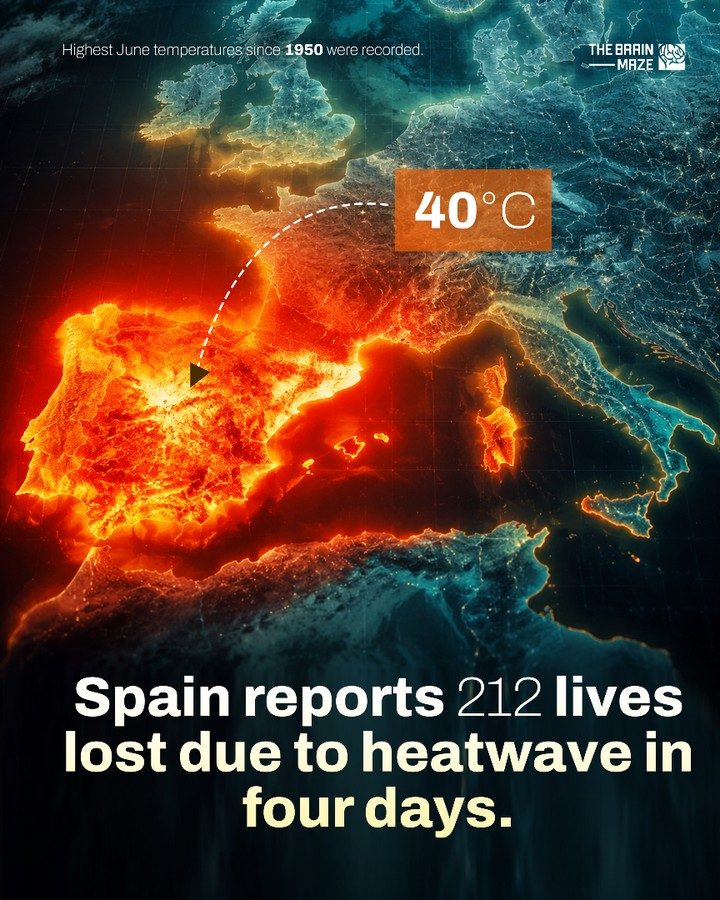
Spain has been hit by a severe heatwave, with temperatures soaring to record highs for June since 1950. The extreme heat has been linked to a significant loss of life, with 212 deaths recorded between Sunday and Wednesday. This alarming situation has raised concerns about the impact of climate change on mortality risks across the country. We will delve into the context of this heatwave, its implications, and what it means for the future.
Context / Why this matters
The recent heatwave in Spain is not an isolated incident but part of a broader trend of increasing extreme weather events. This heatwave has been marked by temperatures exceeding 40°C in some regions, a stark reminder of the intensifying effects of climate change. The MoMo monitoring system has tracked these temperatures and the associated mortality risks, providing a crucial dataset for understanding the impact of such events.
Understanding the MoMo monitoring system
The MoMo (Mortality Monitoring System) is a vital tool used to track and analyze mortality rates in relation to environmental factors. During heatwaves, the system helps identify excess deaths that can be attributed to extreme heat. This information is essential for public health officials to implement timely interventions and for researchers to study the long-term effects of climate change on human health.
The role of climate change
Climate change is a significant driver of extreme weather events, including heatwaves. Rising global temperatures are making these events more frequent and severe. In Spain, the heatwave has not only led to direct deaths but also exacerbated existing health conditions, particularly among the elderly and vulnerable populations. Understanding the connection between climate change and extreme heat is crucial for developing effective mitigation and adaptation strategies.
Main discussion
Immediate impacts of the heatwave
The immediate impact of the heatwave in Spain has been devastating. The loss of 212 lives in just four days underscores the severity of the situation. The highest June temperatures since 1950 have put immense strain on healthcare systems and emergency services. Hospitals have seen an influx of patients suffering from heat-related illnesses, while emergency services have been stretched thin responding to calls for help.
Long-term consequences
Beyond the immediate impacts, the long-term consequences of such extreme heat events are concerning. Prolonged exposure to high temperatures can lead to chronic health issues, including heat exhaustion, dehydration, and heatstroke. Vulnerable populations, such as the elderly, children, and those with pre-existing health conditions, are at the highest risk. Additionally, the economic impact of such events can be substantial, affecting productivity, agriculture, and infrastructure.
Practical tips
Staying safe during a heatwave
During a heatwave, it is essential to take precautions to stay safe. Here are some practical tips:
- Stay hydrated: Drink plenty of water, even if you don't feel thirsty. Avoid alcohol and caffeine, which can dehydrate you.
- Avoid peak hours: Stay indoors during the hottest part of the day, typically between 11 am and 3 pm.
- Dress appropriately: Wear lightweight, light-colored clothing and a hat to protect yourself from the sun.
- Check on vulnerable individuals: Regularly check on elderly neighbors, friends, and family members to ensure they are safe and comfortable.
- Use air conditioning: If possible, use air conditioning to keep your home cool. If you don't have air conditioning, consider visiting public spaces like libraries or malls that offer cool environments.
- Stay informed: Keep up-to-date with weather forecasts and public health advisories to stay informed about the severity of the heatwave and any necessary precautions.
Supporting vulnerable populations
Supporting vulnerable populations during a heatwave is crucial. Here are some ways to help:
- Offer assistance: If you know someone who is elderly or has a pre-existing health condition, offer to help them with tasks like grocery shopping or running errands.
- Provide cooling: If possible, provide cooling devices like fans or air conditioning units to those in need.
- Check in frequently: Regularly check in on vulnerable individuals to ensure they are safe and have access to necessary resources.
Important takeaways
- Heatwaves are becoming more frequent and severe due to climate change: The recent heatwave in Spain is a stark reminder of the intensifying effects of climate change.
- Extreme heat poses significant health risks: Prolonged exposure to high temperatures can lead to heat exhaustion, dehydration, and heatstroke, particularly for vulnerable populations.
- Public health systems need to be prepared: Effective monitoring and response systems, like the MoMo system, are crucial for tracking the impact of heatwaves and implementing timely interventions.
Conclusion
The heatwave in Spain, with record-breaking June temperatures and a tragic loss of life, serves as a sobering reminder of the urgent need to address climate change and its impacts. By taking practical steps to stay safe and support vulnerable populations, we can mitigate the immediate risks. However, long-term solutions require a collective effort to reduce greenhouse gas emissions and build resilient communities. Understanding the connection between climate change and extreme weather events is the first step toward creating a more sustainable and safe future for all.
Watch the Reel
Questions readers ask
What were the specific temperature thresholds reached during the June 2023 heatwave in Spain?
During the June 2023 heatwave in Spain, some regions experienced temperatures exceeding 40°C, making it one of the most severe heatwaves in Spain since 1950.
Which groups were most affected by the heatwave in Spain?
The elderly and other vulnerable populations were particularly affected by the heatwave, making up a significant portion of the 212 deaths recorded over the 4-day period.
How does the June 2023 heatwave in Spain relate to broader trends in weather patterns?
The June 2023 heatwave in Spain is part of a broader trend of increasing extreme weather events, which are becoming more frequent and severe due to climate change.
What is the MoMo monitoring system and how does it relate to the heatwave?
The MoMo (Monitoring Mortality) system is used to track and analyze mortality data during extreme weather events, including the recent heatwave. It helps in understanding the impact of such events on public health and mortality risks.
What measures can be taken to protect vulnerable populations during heatwaves?
To protect vulnerable populations during heatwaves, measures such as setting up cooling centers, ensuring access to hydration, and providing regular health check-ups can be implemented. Additionally, public health advisories and community support systems can help mitigate the risks.
How does the recent heatwave in Spain compare to previous heatwaves in the country?
The recent heatwave in Spain is notable for its intensity and the high number of casualties, with 212 deaths recorded. It is one of the most severe heatwaves in Spain since 1950, highlighting the increasing severity of weather extremes in the region.
What are the implications of the June 2023 heatwave on future weather patterns in Spain?
The June 2023 heatwave serves as a stark reminder of the intensifying effects of climate change and suggests that Spain may face more frequent and severe heatwaves in the future. This underscores the need for robust climate adaptation strategies to protect public health.
Related deep dives
Similar reads based on topic and creator.



Recent articles
Fresh deep dives from the latest Reels we unpacked.




Comments
Be the first to comment.