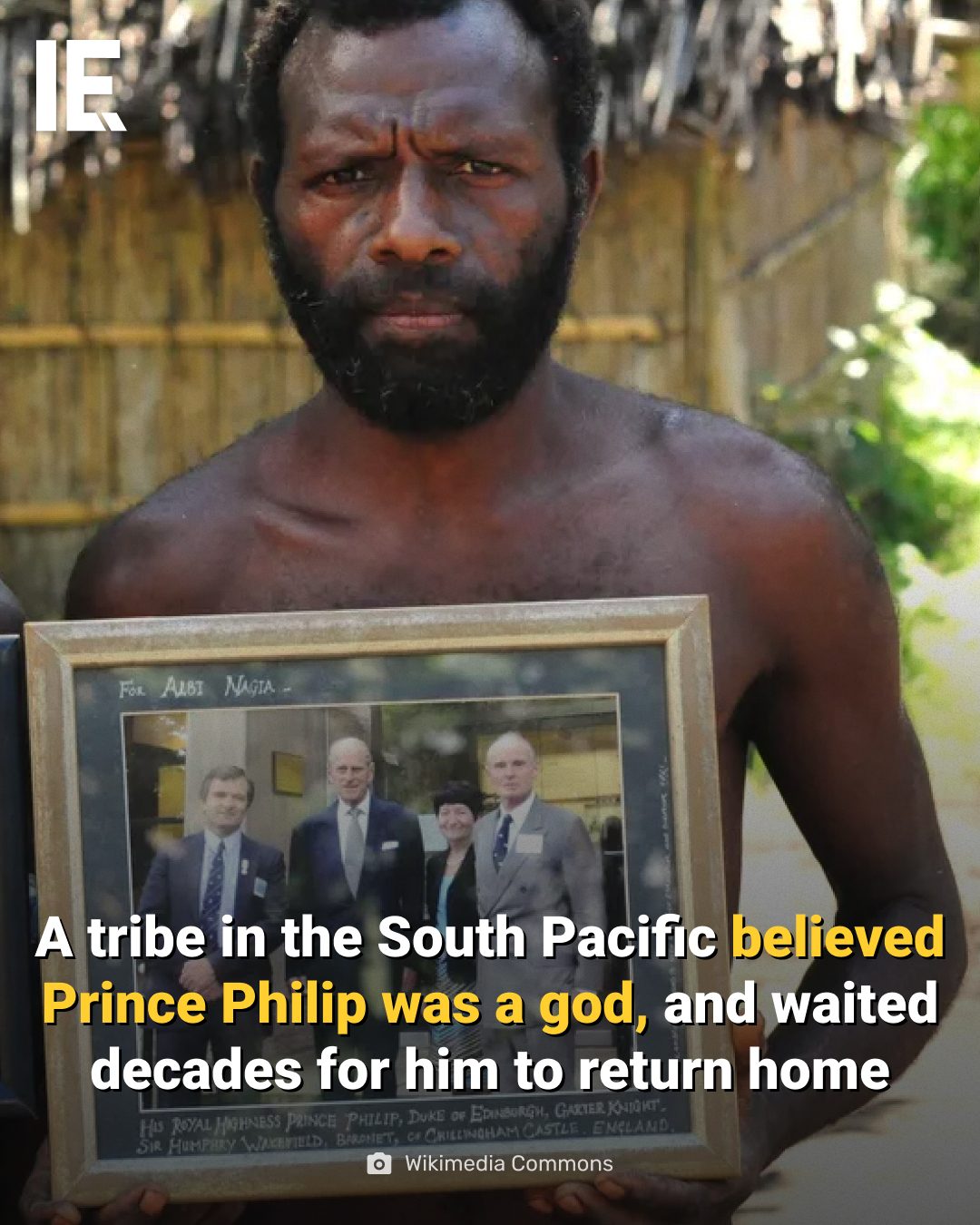
A South Pacific Tribe's Belief in Prince Philip
A small community of the Yaohnanen tribe on Tanna island in Vanuatu held an intriguing belief: Prince Philip was the son of a mountain spirit prophesied to return home. This unique cultural phenomenon offers a fascinating glimpse into the intersection of colonial influence and indigenous beliefs. To understand this belief, we need to delve into the history and cultural context of the Yaohnanen tribe and Vanuatu itself.
Context / Why This Matters
The Yaohnanen tribe's belief in Prince Philip is a remarkable example of how cultural beliefs can evolve and adapt in response to external influences. This case study provides valuable insights into the complexities of cultural interactions and the ways in which indigenous communities interpret and integrate foreign elements into their belief systems.
Main Discussion
The Origins of the Belief
The belief that Prince Philip was a divine figure likely predates his 1974 royal visit to Vanuatu. The tribe's interpretation of Philip's status may have been influenced by the deference shown to him by government officials during his visit. This deferential treatment was seen as proof of his divine status, reinforcing the tribe's existing beliefs. The tribe believed that Prince Philip was the son of a mountain spirit and was prophesied to return home, which added a layer of significance to his arrival.
The Role of Colonial Influence
Researchers suggest that the tribe's belief in Prince Philip may have been less about literal divine status and more about reclaiming colonial power. By asserting that the man at the right hand of the Commonwealth's ruler was, in fact, theirs, the tribe may have been asserting their own agency and resistance to colonial domination. This interpretation highlights the complex interplay between colonial power dynamics and indigenous resistance.
Prince Philip's Engagement with the Tribe
Prince Philip, known for his diplomatic skills, engaged respectfully with the Yaohnanen tribe. During his 1974 visit, he posed with a traditional pig-killing stick gifted by the tribe, a symbol of significant respect and recognition. In a 2007 meeting with tribal members flown to the UK, reported that he hinted he would one day return. This interaction further cemented the tribe's belief in his divine status and their expectation of his return.
The Evolution of the Belief
After Prince Philip's passing in 2021, the Yaohnanen tribe reportedly transferred their reverence to King Charles III. This shift highlights the fluidity of cultural beliefs and the tribe's ability to adapt their reverence to new figures within the royal family. It also underscores the enduring significance of the royal family in the cultural imagination of the Yaohnanen tribe.
Practical Tips
For those interested in exploring cultural beliefs and their evolution, there are several practical steps to take:
-
Engage with Local Communities: Direct engagement with local communities can provide firsthand insights into their beliefs and cultural practices. This engagement should be respectful and considerate of the community's traditions and values.
-
Study Historical Context: Understanding the historical context in which cultural beliefs evolve is crucial. This includes examining colonial histories, cultural exchanges, and the impact of external influences on indigenous communities.
-
Read Academic Research: Academic research provides a wealth of information on cultural beliefs and their evolution. Look for studies that focus on specific communities and their interactions with external influences.
-
Visit Cultural Heritage Sites: Visiting cultural heritage sites can offer a deeper understanding of a community's beliefs and practices. These sites often provide contextual information and artifacts that illustrate the evolution of cultural beliefs.
-
Engage with Cultural Anthropologists: Cultural anthropologists study the diverse ways of life of different societies. Engaging with experts in the field can provide valuable insights into the complexities of cultural beliefs and their evolution.
Important Takeaways
The belief of the Yaohnanen tribe in Prince Philip as a divine figure offers a unique window into the complexities of cultural interactions and the evolution of beliefs. This case highlights the importance of understanding historical context, engaging with local communities, and considering the impact of external influences on cultural beliefs. By studying such phenomena, we gain a deeper appreciation for the diversity and resilience of human beliefs and practices.
Conclusion
The Yaohnanen tribe's belief in Prince Philip is a fascinating example of how cultural beliefs can evolve in response to external influences. This belief, born out of a blend of indigenous traditions and colonial interactions, underscores the complex dynamics at play in cultural exchanges. As we continue to explore these interactions, we gain a deeper understanding of the richness and diversity of human beliefs and practices.
Watch the Reel
Questions readers ask
Why did the Yaohnanen tribe believe Prince Philip was a divine figure?
The Yaohnanen tribe believed that Prince Philip was a manifestation of a mountain spirit known as 'Brom'. This belief comes from the local belief system that Brom would return from afar in the form of a 'white man' with powers to heal and bless the people, which the tribe saw in Prince Philip..
How did colonial influence shape the Yaohnanen tribe's beliefs?
Colonial influence introduced new elements into the Yaohnanen tribe's cultural landscape. The arrival of Europeans, including Prince Philip, was integrated into the tribe's existing beliefs, leading to the unique interpretation of Prince Philip as a divine figure.
What is the significance of the mountain spirit 'Brom' in Yaohnanen beliefs?
In Yaohnanen beliefs, 'Brom' is a powerful mountain spirit. According to the tribe's customs, he was prophesied to return from across the sea to bring blessings and healing to the people. The tribe saw this prophecy fulfilled in the person of Prince Philip, when he visited the island.
How did the Yaohnanen tribe's belief in Prince Philip affect their cultural practices?
The belief in Prince Philip as a divine figure influenced the tribe's rituals and ceremonies. For example, they performed traditional rituals in honor of Prince Philip, incorporating him into their existing spiritual practices.
What does the Yaohnanen tribe's belief in Prince Philip reveal about cultural interactions?
This belief highlights the intricate ways in which indigenous communities assimilate and interpret external elements. It demonstrates how new influences can be seamlessly integrated into existing belief systems, resulting in a dynamic and evolving cultural landscape.
Why is the Yaohnanen tribe's belief in Prince Philip considered a case study in cultural dynamics?
This belief is a case study because it illustrates how indigenous communities interpret and incorporate external figures into their belief systems. It provides a unique perspective on the complexities of cultural interactions and the adaptive nature of tribal customs.
How did the Yaohnanen tribe view the prophecy of Prince Philip's return?
The Yaohnanen tribe saw the prophecy of Prince Philip's return as a fulfillment of their ancient beliefs. They viewed his visits to the island as a sign that the prophecy had come true, further solidifying their belief in his divine status.
Related deep dives
Similar reads based on topic and creator.


Recent articles
Fresh deep dives from the latest Reels we unpacked.




Comments
Be the first to comment.