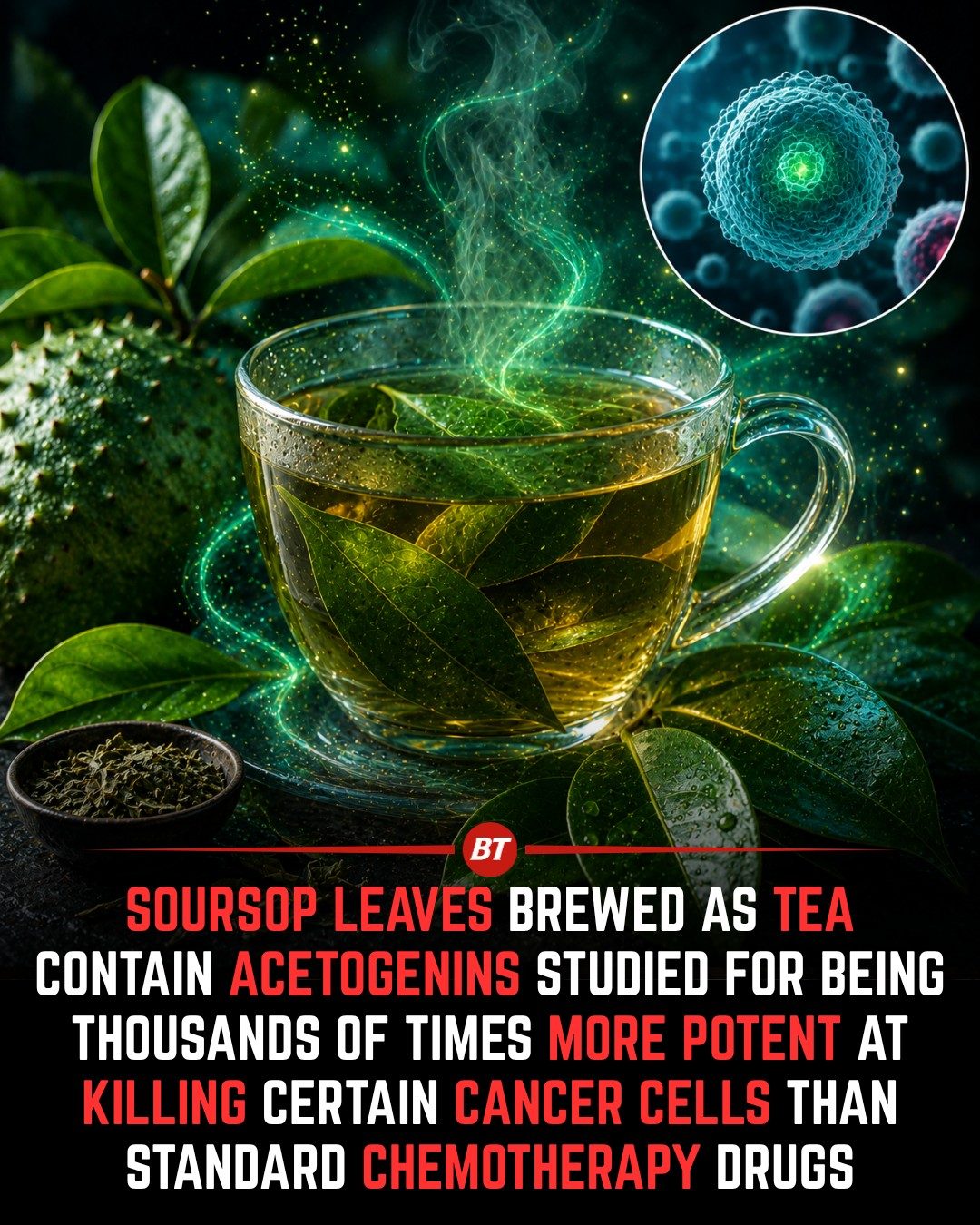
Soursop Tea
Soursop tea, brewed from the leaves of the Annona muricata plant, has garnered significant attention for its unique health benefits. This tropical fruit tree, native to the Caribbean, Central America, and South America, is well-known for its distinctive, prickly green fruit. However, the leaves are the part of the plant that have attracted the most scientific interest.
Context
Soursop leaves contain a group of plant compounds called annonaceous acetogenins. These compounds have been the subject of extensive research due to their potential health benefits, particularly their anti-cancer properties. Researchers have studied these compounds extensively in laboratory experiments, observing their ability to interfere with energy production in certain cancer cells. This makes them a major focus of natural product research.
Main Discussion
The Science Behind Acetogenins
Acetogenins, the active compounds in soursop leaves, have shown promising results in various studies. Research published in reputable journals, such as the Journal of Natural Products and Cancer Letters, has demonstrated that these compounds can selectively inhibit the growth of various cancer cell lines under laboratory conditions. This means that acetogenins have the potential to target and kill cancer cells while leaving healthy cells unharmed, unlike standard chemotherapy drugs, which can be harsh and have significant side effects.
Some studies have even suggested that acetogenins could be thousands of times more potent at killing certain cancer cells than standard chemotherapy drugs. This claim is based on laboratory experiments where scientists observed the effects of acetogenins on cancer cells grown in petri dishes. However, it's crucial to understand that these findings have largely been observed in test tubes and laboratory studies, not in large human clinical trials.
Beyond Cancer Research
In addition to their potential anti-cancer properties, soursop leaves contain antioxidants and other plant compounds that have been studied for their potential effects on inflammation, oxidative stress, and overall cellular health. These benefits make soursop tea a popular choice among those seeking natural remedies and health boosts.
Practical Tips
-
Preparation: Soursop leaf tea is traditionally prepared by steeping dried leaves in hot water for several minutes. To make it, simply add a handful of dried leaves to a cup of boiling water, let it steep for 5-10 minutes, and then strain the leaves. Many people enjoy the earthy flavor and antioxidant content of this herbal tea.
-
Dosage: As with any herbal remedy, it's important to start with a small amount to see how your body reacts. Gradually increase the dosage as needed, but always stay within recommended limits. Consult with a healthcare provider before starting any new supplement or herbal remedy, especially if you have any pre-existing health conditions or are taking other medications.
-
Availability: Soursop leaves can be found in many health food stores, online retailers, and specialty markets. They are often sold in dried form, which is convenient for brewing tea.
Important Takeaways
While the potential health benefits of soursop tea are promising, it's essential to approach the topic with a balanced perspective. The excitement surrounding soursop comes from its potential as a natural anti-cancer agent, but it's crucial to understand that these findings have largely been observed in test tubes and laboratory studies, not in large human clinical trials.
More research is needed to fully understand the effects of soursop tea on the human body and its potential as a cancer treatment. However, as a natural source of antioxidants and potentially beneficial plant compounds, soursop tea can be a valuable addition to a healthy lifestyle.
Conclusion
Soursop tea, brewed from the leaves of the Annona muricata plant, offers a range of potential health benefits. The unique group of plant compounds called annonaceous acetogenins found in soursop leaves have been studied extensively for their anti-cancer properties. While more research is needed, soursop tea is a popular choice among those seeking natural remedies and health boosts.
Watch the Reel
Questions readers ask
What are acetogenins and why are they significant in soursop tea?
Acetogenins are a group of natural compounds found in soursop leaves. They are significant because they have been shown to have anti-cancer properties, which may be beneficial for those interested in exploring natural alternatives to conventional cancer treatments. They are able to selectively target and inhibit the growth of various cancer cell lines.
How is soursop tea typically prepared?
Soursop tea is typically prepared by steeping dried soursop leaves in hot water for a certain period, similar to how other herbal teas are made. The resulting liquid is then strained and consumed. It's important to follow specific brewing guidelines to ensure safety and efficacy.
What does research say about soursop tea and cancer?
Laboratory studies have demonstrated that acetogenins in soursop leaves can inhibit the growth of cancer cells. However, while these findings are promising, it is crucial to note that most research has been conducted in controlled environments and has not yet been fully validated through human clinical trials.
Are there any precautions to take when consuming soursop tea?
While soursop tea is generally considered safe, it is recommended to consult with a healthcare provider before consuming it, especially for those with existing health conditions or those who are pregnant or breastfeeding. Additionally, long-term consumption and high doses should be avoided due to potential side effects.
Can soursop tea be used as a standalone treatment for cancer?
No, soursop tea should not be used as a standalone treatment for cancer. While it shows potential as a natural cancer fighter, further human studies are necessary to confirm its efficacy and safety. It is important to rely on proven cancer treatments and use soursop tea only as a complementary approach under medical supervision.
What are the other benefits of soursop leaves besides their anti-cancer properties?
Soursop leaves are known for their potential to help with various health issues, including improved sleep, reduced inflammation, and enhanced immune function. They are also rich in antioxidants, which can help combat oxidative stress in the body.
Where can I find soursop leaves for brewing tea?
Soursop leaves can be found in various forms, such as dried leaves, powders, or capsules, in health food stores, specialty markets, or online retailers. Some people also grow the Annona muricata plant for personal use. Ensure you source the leaves from a reliable supplier to guarantee their quality and authenticity.
Related deep dives
Similar reads based on topic and creator.




Recent articles
Fresh deep dives from the latest Reels we unpacked.




Comments
Be the first to comment.