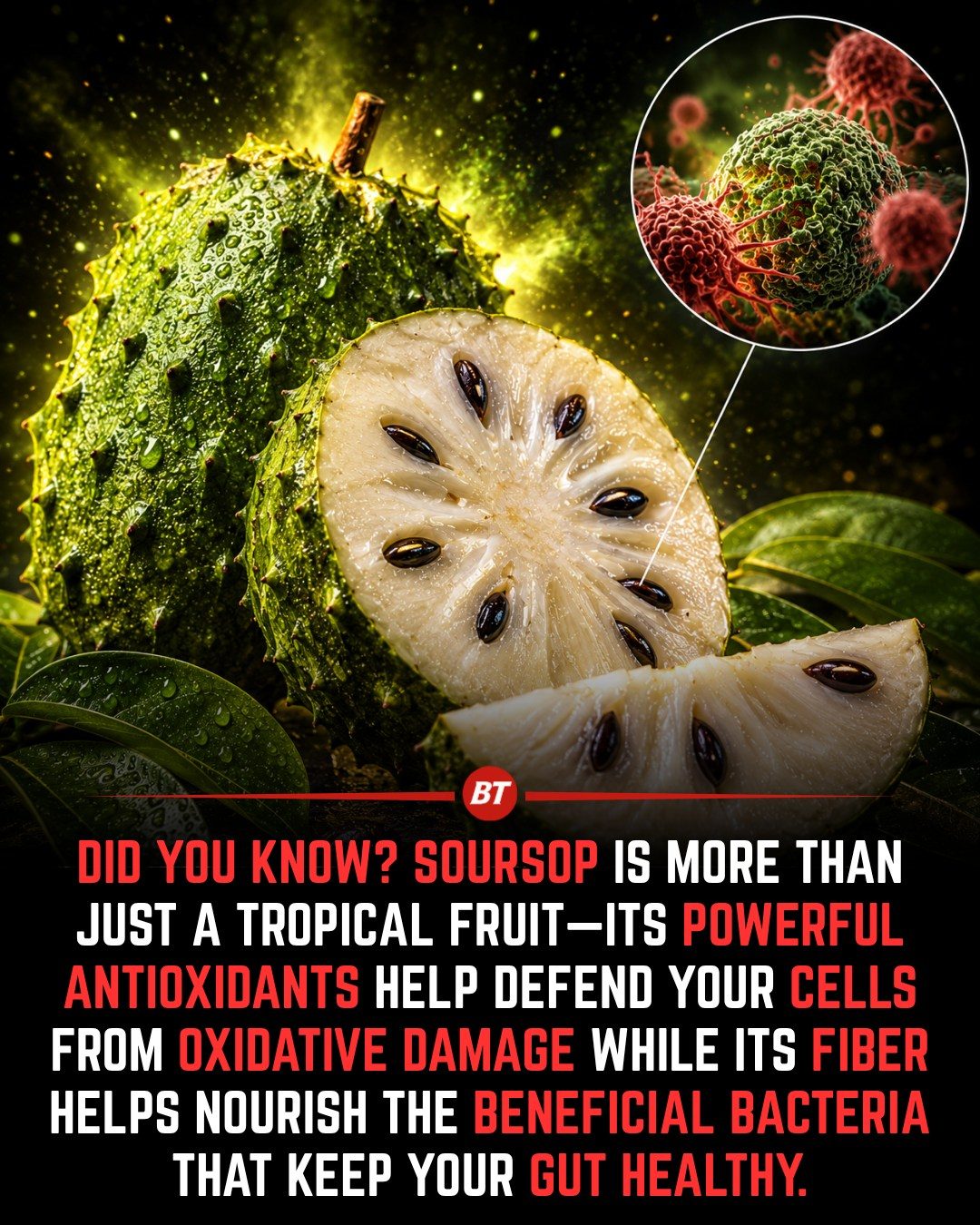
Soursop: A Tropical Fruit with Powerful Health Benefits
Soursop, also known as graviola, is a tropical fruit that offers more than just a sweet, tangy flavor. Packed with antioxidants, vitamin C, and dietary fiber, this fruit supports cellular health, the immune system, and gut health. Let’s dive into the remarkable benefits of soursop and how it can be incorporated into a balanced diet.
Context / Why this matters
Soursop, native to the tropical regions of the Americas and the Caribbean, has long been a staple in many cultures for its culinary and medicinal uses. The fruit's nutritional profile makes it a standout among other tropical fruits, offering a range of health benefits that can complement a healthy lifestyle.
As interest in natural health solutions continues to grow, soursop stands out as a versatile and nutrient-rich option. Its compounds, particularly annonaceous acetogenins, have been the subject of extensive research due to their potent antioxidant and anti-inflammatory properties. While the fruit itself is not a cure-all, its ability to support the body's natural defenses makes it a valuable addition to a well-rounded diet.
Main discussion
The Nutritional Powerhouse
Soursop is naturally rich in essential nutrients, including vitamin C, polyphenols, and a unique group of plant compounds known as annonaceous acetogenins. These compounds have been studied for their potent antioxidant activity, which helps to protect cells from oxidative stress. Oxidative stress occurs when unstable molecules called free radicals damage DNA, proteins, and cell membranes over time. By neutralizing these free radicals, soursop’s antioxidants play a crucial role in maintaining cellular health.
Vitamin C Content
Vitamin C is a crucial nutrient for immune function, and soursop is an excellent source of it. This vitamin helps to strengthen the immune system, making the body more resilient against infections and diseases. Additionally, vitamin C aids in the absorption of iron, supporting overall health and energy levels.
Polyphenols and Annonaceous Acetogenins
Polyphenols and annonaceous acetogenins are powerful antioxidants found in soursop. These compounds have been studied for their potential biological effects, including anti-inflammatory and anticancer activity. While laboratory studies have shown promising results, more research is needed to determine the specific benefits of soursop compounds in humans.
Gut Health and Fiber
Soursop is also an excellent source of dietary fiber, which is essential for a healthy gut microbiome. The fiber in soursop nourishes beneficial gut bacteria, helping to produce short-chain fatty acids such as butyrate. Butyrate is a compound that strengthens the intestinal lining, supports immune function, and promotes a healthier gut microbiome. By supporting gut health, soursop can contribute to overall well-being and immune function.
The fiber in soursop aids in digestion and helps maintain a healthy gut environment. As gut bacteria ferment fiber, they produce short-chain fatty acids that support intestinal lining health, immune function, and a balanced gut microbiome. This dual benefit of antioxidants and fiber makes soursop a valuable addition to a balanced diet.
Antioxidants and Cellular Health
Antioxidants play a vital role in defending cells from oxidative damage. The antioxidants in soursop help to neutralize free radicals, unstable molecules that can harm DNA, proteins, and cell membranes. By protecting cells from this damage, soursop supports overall cellular health and can contribute to a reduction in the risk of chronic diseases.
Immune System Support
Soursop’s antioxidant properties and vitamin C content make it a valuable ally for immune support. By strengthening the immune system, soursop can help the body defend against infections and promote overall health. The polyphenols and annonaceous acetogenins in soursop also contribute to this immune-boosting effect, making the fruit a comprehensive source of immune support.
Practical tips
To fully enjoy the benefits of soursop, it’s important to incorporate it into a balanced diet. Here are some practical tips for adding soursop to your meals:
Enjoying Fresh Soursop
The easiest way to enjoy soursop is by eating fresh, ripe fruit. Simply peel and slice the fruit and consume it as a refreshing snack. The natural sweetness and tangy flavor of soursop make it a delightful treat.
Incorporating Soursop into Smoothies
Soursop's creamy flesh blends easily into smoothies, adding a unique tropical flavor and nutritional boost. Combine soursop pulp with other fruits, vegetables, and a liquid base such as coconut water or almond milk for a refreshing and nutritious beverage. Soursop smoothies are a great way to start the day or as a post-workout snack.
Adding Soursop to Yogurt and Fruit Bowls
For a nutritious breakfast or snack, blend soursop pulp into yogurt or add it to fruit bowls. The fruit's creamy texture and tangy flavor complement both sweet and savory dishes, making it a versatile ingredient in various recipes.
Avoiding the Seeds
While the flesh of soursop is safe to consume, the seeds contain compounds that are not considered safe to eat. Avoid consuming the seeds to ensure the safety and enjoyment of the fruit.
Important takeaways
In summary, soursop is a tropical fruit with a range of health benefits. Its potent antioxidants, vitamin C, and fiber content support cellular health, immune function, and gut health. By incorporating soursop into a balanced diet, you can enjoy its nutritional benefits and contribute to overall well-being. Soursop is a versatile fruit that can be enjoyed in various forms, from fresh fruit to smoothies and yogurt bowls.
Conclusion
Soursop, with its rich nutritional profile and health benefits, is a valuable addition to a balanced diet. From its antioxidant properties to its fiber content, this tropical fruit offers a range of benefits that support cellular, immune, and gut health. Whether enjoyed fresh, blended into smoothies, or added to yogurt, soursop is a delicious and nutritious way to enhance your diet.
Watch the Reel
Questions readers ask
What specific compounds in soursop contribute to its health benefits?
Soursop contains unique compounds such as acetogenins, which have been studied for their potential to support cellular health and combat oxidative stress. Additionally, the fruit is rich in antioxidants, vitamin C, and dietary fiber, all of which contribute to its overall health benefits.
How does soursop support gut health?
The high fiber content in soursop aids in digestion and promotes a healthy gut microbiome. Fiber helps to keep the digestive system running smoothly and supports overall gut health. The tropical fruit can be a valuable addition to your diet for maintaining gut wellness.
Can soursop help boost the immune system?
Yes, soursop's high vitamin C content plays a crucial role in supporting immune function. Vitamin C is known for its ability to enhance the immune system's response to infections and diseases, making soursop a beneficial addition to a healthy diet.
What are the benefits of soursop's antioxidant properties?
The antioxidants in soursop help to neutralize harmful free radicals in the body, reducing oxidative stress. This can contribute to improved cellular health and may help to lower the risk of chronic diseases.
How can I incorporate soursop into my diet?
Soursop can be enjoyed fresh or used in various recipes. You can blend it into smoothies, make juices, or use it as a topping for yogurt and oatmeal. It can also be added to salads or used as a natural sweetener in desserts, providing a sweet, tangy flavor to your meals.
What makes soursop a unique tropical fruit for health benefits?
Soursop stands out due to its diverse range of nutrients and unique compounds. Its combination of antioxidants, vitamin C, and dietary fiber, along with compounds like acetogenins, makes it a valuable addition to a balanced diet for supporting gut and cellular health.
Is soursop suitable for those with dietary restrictions?
Soursop is generally suitable for most diets, including those with gluten or dairy restrictions. However, individuals with specific allergies or health conditions should consult with a healthcare provider before incorporating soursop into their diet.
Related deep dives
Similar reads based on topic and creator.




Recent articles
Fresh deep dives from the latest Reels we unpacked.




Comments
Be the first to comment.