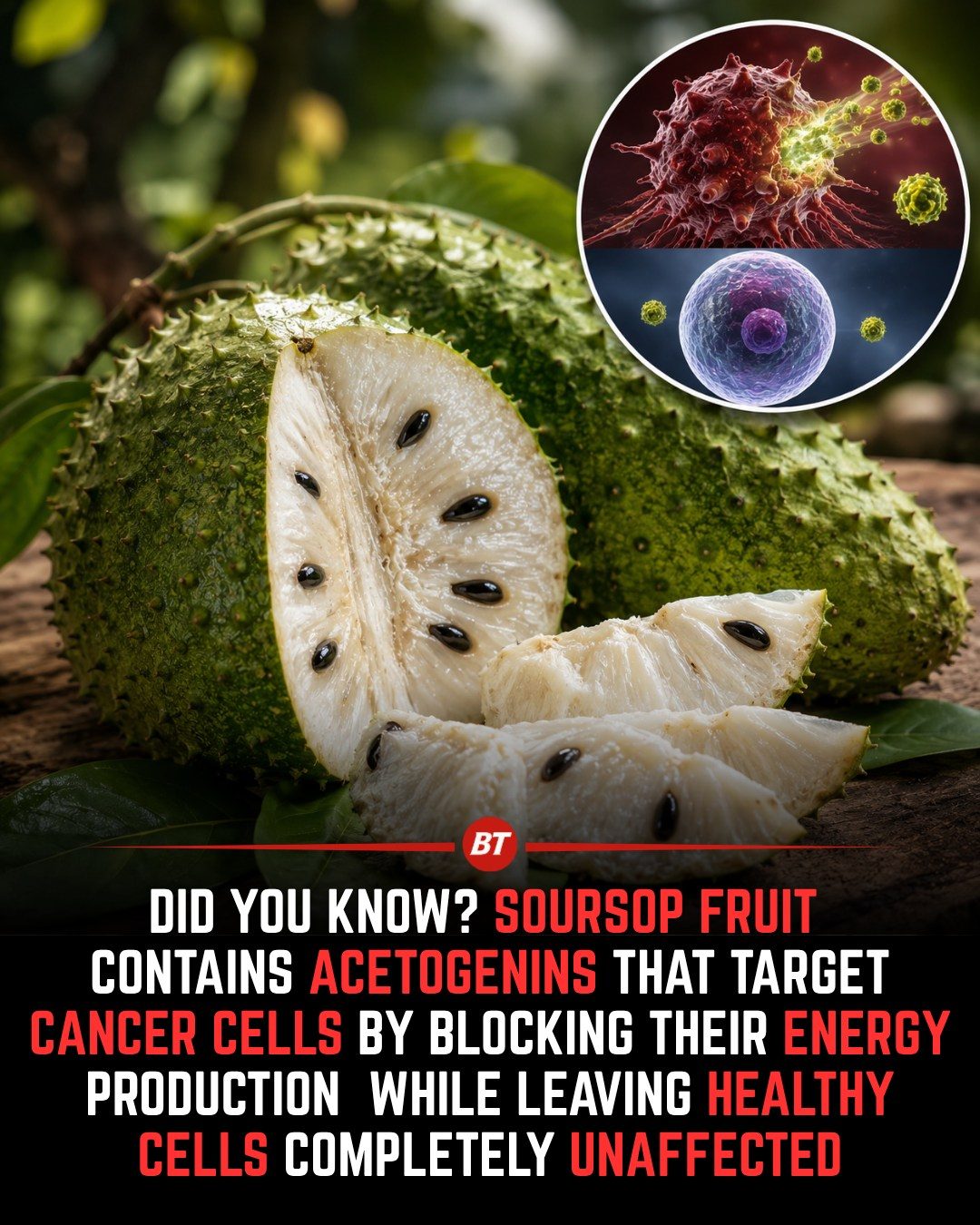
Soursop Fruit Benefits
Soursop (Annona muricata) is a tropical fruit known for its unique taste and potential health benefits. Recently, it has gained attention in research labs for its unique plant compounds, particularly a family of naturally occurring compounds called annonaceous acetogenins. These compounds have shown intriguing biological activity in laboratory experiments, sparking interest in their potential as leads for future drug development.
Context / Why this matters
Understanding the potential health benefits of soursop is important for several reasons. Firstly, it offers a natural source of essential nutrients. Secondly, the unique compounds found in soursop have shown promising results in early laboratory studies, making it a subject of interest for researchers and health enthusiasts alike.
Main discussion
The potential health benefits of soursop fruit are primarily attributed to its annonaceous acetogenins. These compounds have been the subject of numerous studies due to their unique properties. Here’s a deeper dive into their potential benefits.
Acetogenins: The Unique Compounds
Annona muricata contains a variety of annonaceous acetogenins, which are naturally occurring compounds found in the seeds, bark, and fruit of the soursop tree. These compounds have been studied extensively for their biological activities, particularly their ability to target cancer cells.
Targeting Cancer Cells
One of the most intriguing findings about acetogenins is their potential to interfere with mitochondrial energy production in cancer cells. Researchers have found that certain acetogenins can inhibit a key enzyme involved in cellular respiration, which in turn blocks the energy production in cancer cells. This mechanism is particularly noteworthy because it leaves healthy cells unaffected, making it a potentially valuable avenue for cancer treatment.
Laboratory and Animal Studies
In test tubes and animal studies, certain acetogenins have shown the ability to slow the growth of some cancer cell lines and trigger programmed cell death. These findings have sparked interest in their potential as leads for future drug development. However, it is crucial to note that the efficacy and safety of acetogenins in humans have not yet been conclusively established.
Current Limitations
While the preliminary research on acetogenins is promising, there is currently no high-quality clinical evidence showing that eating soursop fruit or drinking soursop tea can treat or prevent cancer in humans. Furthermore, some acetogenins may also affect healthy cells, and prolonged exposure or high amounts have been linked to concerns about nerve toxicity in research studies. Therefore, consuming soursop in moderation is advised.
Nutritional Benefits
Beyond its potential anticancer properties, soursop is also a nutritious source of essential vitamins, minerals, and antioxidants. The fruit is rich in vitamin C, fiber, and potassium, making it a flavorful addition to a balanced diet. It also contains various antioxidants that can help protect the body from oxidative stress and inflammation.
Incorporating Soursop into Your Diet
Soursop can be enjoyed in various ways. Fresh, ripe soursop fruit can be consumed on its own or blended into smoothies for a refreshing drink. It can also be used in juices, desserts, or as a flavoring in ice creams. The versatility of soursop makes it an excellent addition to a varied diet.
Practical tips
If you’re interested in incorporating soursop into your diet, here are some practical tips to help you get started:
- Choose the Right Fruit: Select soursop fruits that are ripe and have a sweet, slightly tart aroma. Overly ripe or underripe fruits may not offer the best flavor and nutritional benefits.
- Cleaning and Preparation: Wash the fruit thoroughly before cutting it open. Remove the seeds and enjoy the flesh.
- Storage: If you can’t consume the entire fruit at once, store it in an airtight container in the refrigerator to maintain freshness.
- Consult a Professional: If considering concentrated extracts or supplements for medical purposes, consult a qualified healthcare professional, as these products may carry risks and are not proven cancer treatments.
Important takeaways
Soursop fruit contains unique compounds called annonaceous acetogenins, which have shown promise in laboratory and animal studies for their potential to target cancer cells. However, it is important to note that there is no high-quality clinical evidence showing that consuming soursop can treat or prevent cancer in humans. Additionally, some acetogenins may affect healthy cells, and prolonged exposure or high amounts have been linked to nerve toxicity. Therefore, while soursop can be a nutritious addition to a balanced diet, it should be consumed in moderation.
The nutritional benefits of soursop, including its rich content of vitamin C, fiber, and antioxidants, make it a valuable fruit for overall health. It can be enjoyed fresh, blended into smoothies, or used in various culinary applications. When considering supplements or concentrated extracts, it is essential to consult a healthcare professional.
Conclusion
Soursop fruit offers a range of potential benefits, from its unique acetogenins to its rich nutritional profile. While the preliminary research on its anticancer properties is promising, it is essential to approach this topic with caution. Enjoy soursop as part of a varied and balanced diet, and consult a healthcare professional for any medical concerns or considerations. Soursop can be a flavorful and nutritious addition to your diet, providing essential vitamins, minerals, and antioxidants.
Watch the Reel
Questions readers ask
What are annonaceous acetogenins and why are they significant in soursop research?
Annonaceous acetogenins are a family of natural compounds found in soursop. They have garnered significant attention due to their potential to target and inhibit cancer cells. Initial laboratory studies suggest these compounds may leave healthy cells relatively unharmed, which is a crucial aspect of cancer research.
How does soursop benefit health beyond its anticancer properties?
Soursop offers a range of health benefits. It is a rich source of vitamins, minerals, and antioxidants, which contribute to overall well-being. Additionally, it has been traditionally used to support immune function and promote digestive health.
What makes soursop a subject of interest for cancer researchers?
The unique compounds in soursop, particularlyannonaceous acetogenins, have shown promising results in early laboratory studies. These compounds demonstrate the ability to selectively target cancer cells, making soursop a compelling area of study for potential cancer therapies.
Can consuming soursop help prevent cancer?
While the early research is promising, it is too soon to definitively say that consuming soursop can prevent cancer in humans. The available studies are primarily laboratory experiments, and more clinical research is needed to determine the effects of soursop on cancer prevention or treatment.
Are there any side effects associated with consuming soursop?
Soursop is generally considered safe for consumption in moderation. However, it contains a compound called annonacin, which has been shown to have neurodegenerative properties in animal studies. Therefore, excessive consumption, especially in the form of concentrated extracts, should be avoided.
What is the current status of soursop and cancer research?
The research on soursop's anticancer properties is still in its early stages, with most studies conducted in laboratories. While the results are promising, further clinical trials and human studies are necessary to validate the efficacy and safety of soursop-derived compounds for cancer treatment.
How do the compounds in soursop affect healthy cells?
One of the notable aspects of annonaceous acetogenins is their selectivity. In laboratory tests, these compounds appear to target cancer cells preferentially. However, more research is required to fully understand their effects on healthy cells and to confirm these findings in human subjects.
Related deep dives
Similar reads based on topic and creator.




Recent articles
Fresh deep dives from the latest Reels we unpacked.




Comments
Be the first to comment.