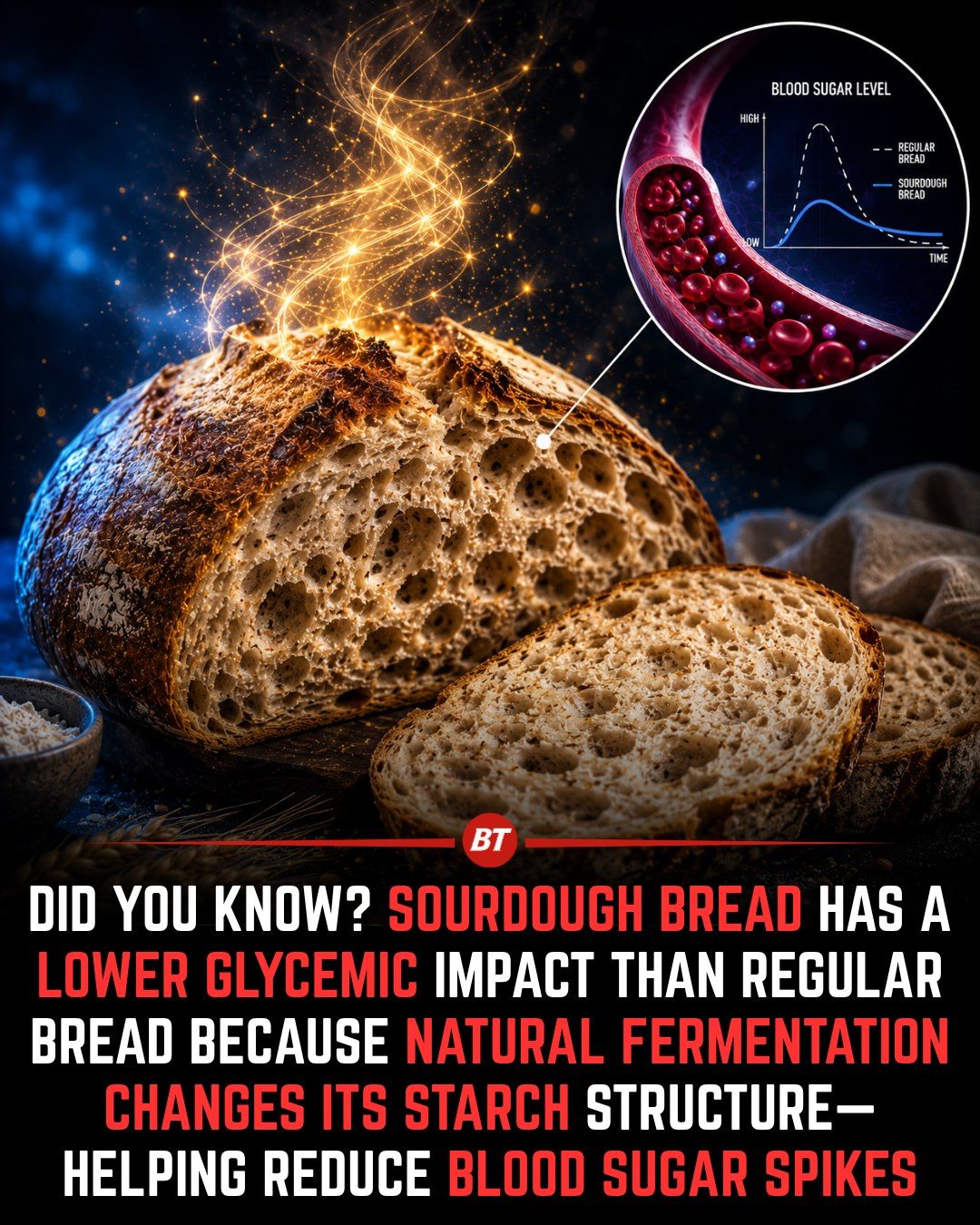
Sourdough Bread and Blood Sugar Management
Sourdough bread has gained popularity in recent years, not just for its tangy flavor but also for its potential health benefits. One of the most significant advantages is its lower glycemic impact compared to regular white bread. This difference is rooted in the unique fermentation process used to make sourdough.
Why This Matters
Understanding the impact of sourdough bread on blood sugar levels is crucial for those looking to manage their blood sugar more effectively. For individuals with diabetes or those at risk, choosing the right type of bread can make a notable difference in post-meal blood sugar spikes.
The Role of Natural Fermentation
Unlike conventional bread, which is often made with commercial yeast, sourdough is produced through a natural fermentation process. Wild yeasts and beneficial lactic acid bacteria work together to ferment the dough over many hours. This extended fermentation changes the structure of carbohydrates and proteins, even before the dough reaches the oven.
During this process, organic acids such as lactic acid and acetic acid are produced. These acids play a crucial role in slowing down the digestion process, particularly how quickly starch is broken down. As a result, sourdough bread often triggers a lower glycemic response compared to conventional white bread. This means that the body's blood sugar levels rise more gradually and to a lesser extent after consuming sourdough.
Glycerin Impact and Clinical Studies
Several clinical studies have delved into the effects of sourdough bread on blood sugar and insulin levels. The findings consistently show that people who consume sourdough bread experience smaller post-meal blood sugar and insulin spikes. Researchers attribute this to the combination of fermentation byproducts, changes in starch digestibility, and the bread's physical structure. Specifically, the organic acids produced during fermentation can slow stomach emptying and reduce the speed at which starch is digested, thus mitigating blood sugar spikes.
Additionally, natural fermentation may also enhance the availability of certain minerals. Fermentation reduces phytic acid, a naturally occurring compound in grains that can inhibit the absorption of essential minerals like iron, zinc, and magnesium. By lowering phytic acid levels, sourdough bread can help improve the absorption of these vital nutrients.
Choosing the Right Sourdough
When selecting sourdough bread, it is essential to look for traditional sourdough made with a live starter, flour, water, and salt. Many supermarket varieties labeled as "sourdough" are actually made with commercial yeast and added sour flavors, which may not offer the same health benefits. Traditional sourdough, made with a live starter culture, undergoes the natural fermentation process that yields the benefits described.
Practical Tips
To maximize the benefits of sourdough bread, consider the following tips:
Look for Authentic Sourdough
Ensure that the bread is made with a live starter culture. This process is what gives sourdough its distinctive tangy flavor and health benefits. Authentic sourdough typically has a wild, natural fermentation process that enhances the bread's nutritional profile.
Check the Ingredient List
Avoid bread labeled as "sourdough" that includes commercial yeast or added flavorings. The ingredient list should be simple: flour, water, salt, and possibly a starter culture.
Opt for Whole Grains
Whole grain sourdough bread can provide even more nutritional benefits. Whole grains offer more fiber, which can further slow down digestion and promote better blood sugar control.
Pair with Balanced Meals
Eating sourdough bread as part of a balanced meal can help stabilize blood sugar levels. Combine it with protein, healthy fats, and vegetables to create a well-rounded meal.
Important Takeaways
Sourdough bread, with its natural fermentation process, offers a range of health benefits, particularly in managing blood sugar levels. The combination of organic acids, changes in starch digestibility, and the bread's physical structure contribute to a lower glycemic impact. By choosing traditional sourdough bread made with a live starter, consumers can enjoy these benefits while also enhancing the availability of essential minerals.
Conclusion
For those seeking to manage their blood sugar levels more effectively, sourdough bread presents a compelling option. Its natural fermentation process alters the starch structure, leading to a lower glycemic response and fewer blood sugar spikes. By making informed choices and selecting authentic sourdough, you can incorporate this beneficial bread into your diet and enjoy its unique flavor and health advantages.
Watch the Reel
Questions readers ask
How does sourdough bread help manage blood sugar levels?
Sourdough bread aids in managing blood sugar levels by slowing down the digestion process. This is due to its unique fermentation process, which breaks down some of the starches and lowers the glycemic index, thus reducing post-meal blood sugar spikes.
Is sourdough bread better for people with diabetes?
Yes, sourdough bread can be a better choice for people with diabetes. Its lower glycemic impact means it causes a slower and lower rise in blood sugar levels compared to regular bread, which can help in managing diabetes more effectively.
What makes sourdough fermentation beneficial for blood sugar management?
The natural fermentation process in sourdough bread production involves lactobacilli bacteria, which produce organic acids. These acids help break down phytates and improve the bioavailability of minerals and nutrient absorption, and they also help to reduce the glycemic response.
How does sourdough bread compare to regular bread in terms of blood sugar impact?
Sourdough bread generally has a lower glycemic index compared to regular white bread. This means it causes a slower and lower rise in blood sugar levels, making it a more suitable option for those looking to manage their blood sugar levels more effectively.
Can eating sourdough bread reduce blood sugar spikes after meals?
Yes, sourdough bread can help reduce post-meal blood sugar spikes. The fermentation process in sourdough bread production breaks down some of the starches, leading to a slower digestion process and a lower glycemic response, which can help mitigate blood sugar spikes after meals.
What is the role of lactic acid in sourdough bread and blood sugar management?
During the fermentation process, lactobacilli bacteria produce lactic acid in sourdough bread, which helps to break down some of the starches. This breakdown slows down the digestion process and lowers the glycemic response, making sourdough bread a more beneficial choice for blood sugar management.
Is it true that sourdough bread can help lower blood sugar naturally?
Yes, sourdough bread can help lower blood sugar naturally. By slowing down the digestion process and reducing the glycemic index, sourdough bread can help manage blood sugar levels more effectively, making it a beneficial option for those looking to maintain healthy blood sugar levels naturally.
Related deep dives
Similar reads based on topic and creator.




Recent articles
Fresh deep dives from the latest Reels we unpacked.




Comments
Be the first to comment.