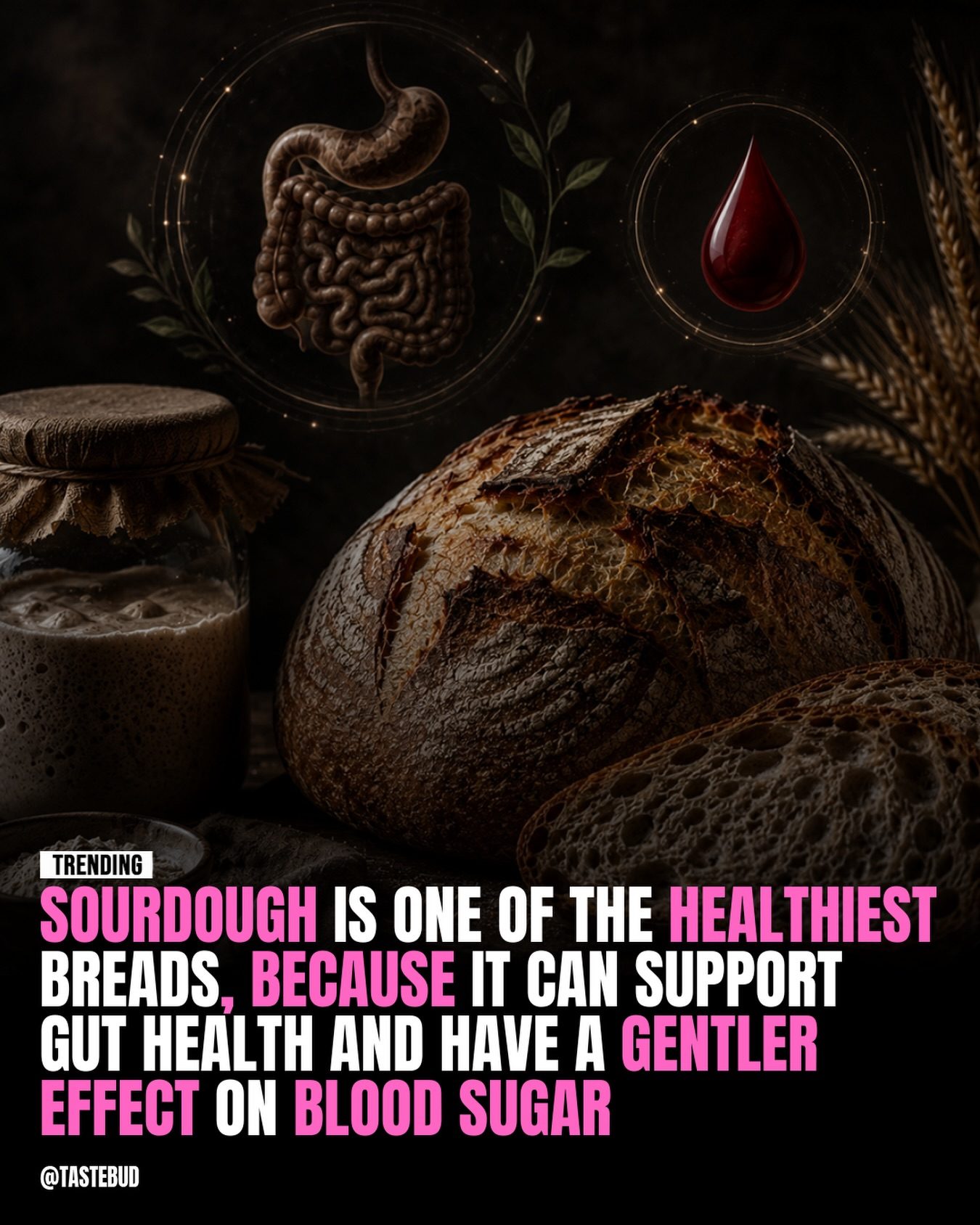
Sourdough Bread: A Healthier Bread Option
Sourdough bread is a popular choice among bread lovers for its unique taste and texture. But the benefits of sourdough go beyond just taste, it’s known for its various health benefits. The sourdough fermentation process, which uses natural yeast and bacteria, makes sourdough bread stand out in comparison to the conventional yeast bread most people are familiar with. This slower fermentation process can help reduce the bread’s glycemic impact, aiding in blood sugar control and improving mineral absorption.
Why Sourdough Matters
Understanding the benefits of sourdough bread is important for those looking to make healthier food choices. It is made through natural fermentation, which enhances its nutritional profile and makes it more digestible. This slower process can help reduce its glycemic impact and improve how the body absorbs minerals like iron, magnesium, and zinc. Fermentation can also break down compounds like phytic acid, which normally limits nutrient absorption.
The Benefits of Sourdough Bread
Natural Fermentation
Sourdough bread is unique because it is made through a natural fermentation process using wild yeast and bacteria. This process differs from conventional bread, which often uses commercial yeast. The fermentation process can take anywhere from 12 to 24 hours, allowing the dough to develop a rich, complex flavor.
The slower fermentation process in sourdough bread can help reduce its glycemic impact. This means it has a gentler effect on blood sugar levels, making it a better choice for those managing diabetes or looking to maintain stable blood sugar levels.
Improved Mineral Absorption
The fermentation process in sourdough bread can also enhance the bread's nutritional profile. Fermentation can break down compounds like phytic acid, which can inhibit the absorption of minerals like iron, magnesium, and zinc. By reducing phytic acid, sourdough bread can improve the body's ability to absorb these essential minerals. This makes sourdough bread a more nourishing choice compared to other types of bread.
Gut Health
Sourdough bread supports gut health in several ways. The natural fermentation process creates a diverse range of beneficial bacteria and yeast in the dough itself. These beneficial microorganisms can help improve digestive health and promote a healthy gut microbiome. They can also help increase the bread's digestibility, which can be beneficial for those with digestive issues.
Better Nutrient Profile
The fermentation process in sourdough bread can enhance the bread's nutritional profile. Fermentation can increase the levels of certain nutrients in the bread. For example, the fermentation process can increase the levels of folate and vitamin B12, as well as increase the amount of probiotics in the bread.
Practical Tips
Choosing the Right Sourdough Bread
Not all store-bought sourdough bread is truly fermented the traditional way. To ensure you're getting the authentic benefits of sourdough, consider these tips:
- Check the Ingredients: Look for a simple ingredient list that includes only flour, water, and salt. Avoid bread with added sugars or preservatives.
- Look for a Tangy Flavor: Authentic sourdough has a slightly tangy flavor due to the lactic acid produced during fermentation.
- Consider the Color: Traditional sourdough bread often has a darker color and a more rustic appearance.
- Support Local Bakers: Local artisan bakers are more likely to use traditional fermentation methods. Support them by choosing their products over mass-produced bread.
- Make it Yourself: If you want to ensure the authentic benefits of sourdough, consider making it at home. There are many recipes and tutorials available online that can guide you through the process.
Incorporating Sourdough Bread into Your Diet
Sourdough bread can be enjoyed in various ways. Here are some practical tips for incorporating it into your diet:
- Use it as a Base for Sandwiches: Sourdough bread is an excellent base for sandwiches. The tangy flavor complements a variety of fillings, from meats and cheeses to vegetables and spreads.
- Serve it with Soups and Salads: Sourdough bread pairs well with soups and salads. It can be used for dipping in soups or as a side to add extra flavor and texture.
- Enjoy it with Dips and Spreads: Sourdough bread can be enjoyed with various dips and spreads, like hummus, avocado, or tapenade. The tangy flavor of the bread complements these spreads well.
- Use it for Toast: Sourdough bread makes excellent toast. The tangy flavor and crisp texture make it a great base for breakfast toppings like eggs, avocado, or jam.
Important Takeaways
- Sourdough bread is made through natural fermentation, which can enhance its nutritional profile and improve digestibility.
- The fermentation process can break down compounds like phytic acid, which can inhibit the absorption of essential minerals like iron, magnesium, and zinc.
- Sourdough bread supports gut health by promoting a healthy gut microbiome and improving digestive health.
- Authentic sourdough bread has a tangy flavor, a darker color, and a more rustic appearance. Look for these characteristics when choosing sourdough bread.
- Sourdough bread can be enjoyed in various ways, from sandwiches and soups to dips and spreads.
Conclusion
Sourdough bread is a healthier bread option due to its unique fermentation process and superior nutritional profile. It offers numerous benefits, including improved mineral absorption, support for gut health, and a gentler impact on blood sugar levels. By choosing authentic sourdough bread and incorporating it into your diet, you can enjoy these benefits and add variety to your meals.
Watch the Reel
Questions readers ask
How does sourdough bread differ from regular bread in terms of fermentation?
Sourdough bread undergoes a natural fermentation process using wild yeast and bacteria, which is slower and more extensive than the fermentation process in regular bread. This extended fermentation helps to break down the carbohydrates in the flour, which can lead to a lower glycemic impact and improved digestibility.
Can sourdough bread help with blood sugar control?
Yes, sourdough bread can aid in blood sugar control. Its natural fermentation process helps break down carbohydrates, reducing the bread’s glycemic index. This means that it causes a slower and lower rise in blood sugar levels compared to regular bread.
What are the benefits of sourdough bread for gut health?
Sourdough bread can promote gut health due to its natural fermentation process, which creates organic acids that may help reduce inflammation and improve nutrient absorption. Additionally, the fermentation process can help to break down some of the gluten, making it easier to digest for many people. This can be beneficial for those who experience slight gluten sensitivities.
How does the fermentation process in sourdough bread improve mineral absorption?
The fermentation process in sourdough bread helps to break down phytic acid, an anti-nutrient that can inhibit mineral absorption. By reducing phytic acid, sourdough bread can enhance the absorption of essential minerals, such as iron, zinc, and magnesium, contributing to overall nutritional benefits.
Is sourdough bread suitable for people with gluten sensitivities?
While sourdough bread is not entirely gluten-free, the fermentation process can help to break down some of the gluten proteins, making it more digestible for many people with mild gluten sensitivities. However, those with celiac disease or severe gluten allergies should still be cautious and consult with a healthcare provider before incorporating sourdough bread into their diet.
What are the benefits of baking your own sourdough bread?
Baking your own sourdough bread allows you to control the ingredients and the fermentation process, ensuring that you get the freshest and most nutritious product possible. Additionally, home baking can be a rewarding hobby that allows you to experiment with different flours and techniques to create unique and delicious bread.
Related deep dives
Similar reads based on topic and creator.



Recent articles
Fresh deep dives from the latest Reels we unpacked.




Comments
Be the first to comment.