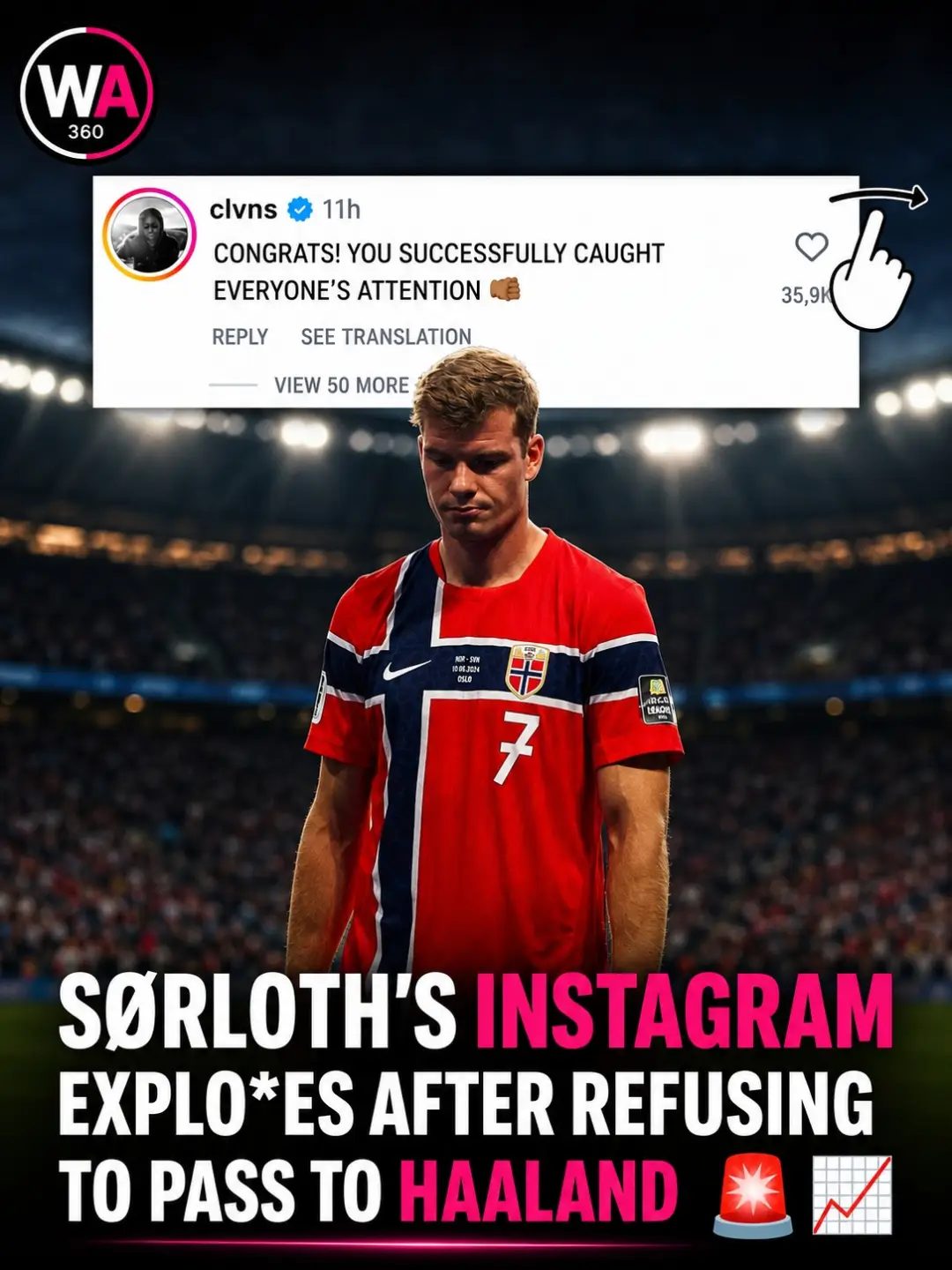
Alexander Sørloth is a name that was catapulted into the spotlight after his controversial decision on the pitch. The incident ignited a fierce debate among football fans worldwide, turning a single moment on the pitch into a viral social media discussion. Sørloth's decision not to pass to Erling Haaland during a crucial attacking moment has been dissected and analyzed by supporters, analysts, and rival fans alike. The moment quickly became a focal point for intense discussion and critique across various social platforms.
Context
Why does this decision matter so much to football fans? The answer lies in the competitive nature of the sport and the high expectations placed on professional athletes. Every decision on the pitch can have substantial consequences, and this incident is no exception. The immediate scrutiny and the rapid spread of opinions highlight how social media has transformed the way fans engage with the sport. Fans are no longer passive observers; they are active participants in the ongoing conversation surrounding the game.
Main Discussion
The Crucial Moment
The moment in question occurred during a high-stakes match. Sørloth, a skilled forward himself, had the ball in a promising position. The expectation was that he would pass to Erling Haaland, a prolific goal scorer known for his finishing abilities. However, Sørloth chose to take a different approach, opting to shoot rather than pass.
Immediate Reaction
The immediate reaction from fans was mixed. Some argued that passing to Haaland would have been the obvious and logical choice, given his goal-scoring prowess. Others defended Sørloth's decision, citing the pressure of the moment and the potential for a defensive error if the pass had been intercepted.
Split-Second Decisions
One of the key points of discussion is the nature of split-second decisions in football. Football is a fast-paced game where decisions must be made in an instant. Sørloth's choice was made under immense pressure, with defenders closing in and the weight of the game hanging in the balance. These kinds of decisions are often praised when they result in a successful outcome but criticized when they don't.
Analyzing the Decision
Analysts and fans alike have dissected the decision from various angles. Some argue that Sørloth's shot was the correct call given the positioning of the defenders and the unpredictable nature of the game. Others contend that passing to Haaland would have been a more straightforward path to a goal.
Social Media Explosion
Social media played a significant role in amplifying the debate. Sørloth's Instagram comment section quickly filled with opinions, turning a single in-game moment into a global discussion. The rapid spread of information and the ease of sharing opinions have transformed how fans engage with the game. Comments from supporters ranged from praise for Sørloth's bravery to criticism for his missed opportunity.
The Role of Fans
Modern football fans are more vocal and engaged than ever before. With the rise of social media, fans have a platform to express their opinions in real-time. This engagement has created a new dynamic where fans are not just spectators but active participants in the game's narrative. The debate surrounding Sørloth's decision exemplifies how passionate and involved football fans have become.
Practical Tips
For players, the best way to navigate high-pressure situations is through practice and preparation. Training in game-like scenarios can help players make quick, effective decisions under pressure. Additionally, maintaining a strong mental game can help players stay focused and confident in critical moments.
For coaches, emphasizing the importance of decision-making skills in training sessions is crucial. This includes not just physical drills but also mental exercises that simulate high-pressure situations. Encouraging players to trust their instincts and make split-second decisions can prepare them for the unpredictable nature of the game.
For fans, engaging in constructive discussions can enhance the viewing experience. While it's easy to get caught up in the emotional response to a decision, taking a step back to analyze the situation from multiple angles can provide a deeper understanding of the game.
Important Takeaways
The debate surrounding Alexander Sørloth's decision highlights several key points:
-
Split-Second Decisions: Football is a game of quick decisions, and every choice has the potential to change the outcome.
-
Pressure and Performance: High-stakes situations can significantly impact performance, and players must be prepared to handle the pressure.
-
Fan Engagement: Social media has transformed fan engagement, allowing for real-time discussions and opinions that can shape the narrative of the game.
-
Strategic Choices: Decision-making in football involves not just physical skill but also strategic thinking and mental preparedness.
Conclusion
The controversy surrounding Alexander Sørloth's decision not to pass to Erling Haaland has sparked a global discussion among football fans. Whether you believe it was the right call or a costly mistake, the incident has once again highlighted the critical role of decision-making in football. The debate underscores how every major moment on the pitch is instantly analyzed, criticized, and celebrated across social platforms. This incident serves as a reminder of the passion, engagement, and intensity that define the beautiful game.
Watch the Reel
Questions readers ask
Why did Sørloth's decision to not pass to Haaland cause such a stir?
Sørloth's decision occurred during a pivotal moment in a high-stakes match, leading fans and analysts to question his judgment. The expectation was that passing to Haaland, a prolific striker, could have resulted in a goal, making Sørloth's choice all the more debated.
What factors influence split-second decisions like Sørloth's in football?
Several factors can influence a player's decision, including competitive pressure, game situation, and personal instincts. In Sørloth's case, he might have considered defensive positioning, his own shooting opportunity, or the risk of losing possession.
How did world football fans react to Sørloth's decision?
The global football fan community had a range of reactions, from criticism to defense of Sørloth's decision. Social media platforms were flooded with analyses, memes, and heated discussions, showcasing the intense interest and passion fans have for the sport.
What can players and teams learn from this incident?
This incident underscores the importance of communication, understanding team dynamics, and making quick, effective decisions under pressure. For Sørloth, it could be a learning opportunity to reflect on his decision-making process and improve future performance.
How significant are high-stakes moments in football?
High-stakes moments in football can define the outcome of a match, shape a team's season, and even alter a player's career trajectory. These moments put players under immense pressure and test their ability to make critical decisions.
What role does social media play in such football debates?
Social media amplifies the reach and intensity of football debates, allowing fans from all over the world to share their opinions instantly. It provides a platform for both casual fans and experts to analyze and critique player decisions in real-time.
How might Sørloth have justified his decision?
Sørloth might have justified his decision by considering alternative options, such as maintaining possession, creating space for other players, or avoiding a risky pass. His personal assessment of the situation at that exact moment would have influenced his choice.
Recent articles
Fresh deep dives from the latest Reels we unpacked.




Comments
Be the first to comment.