Microsurgery Robots and Their Potential
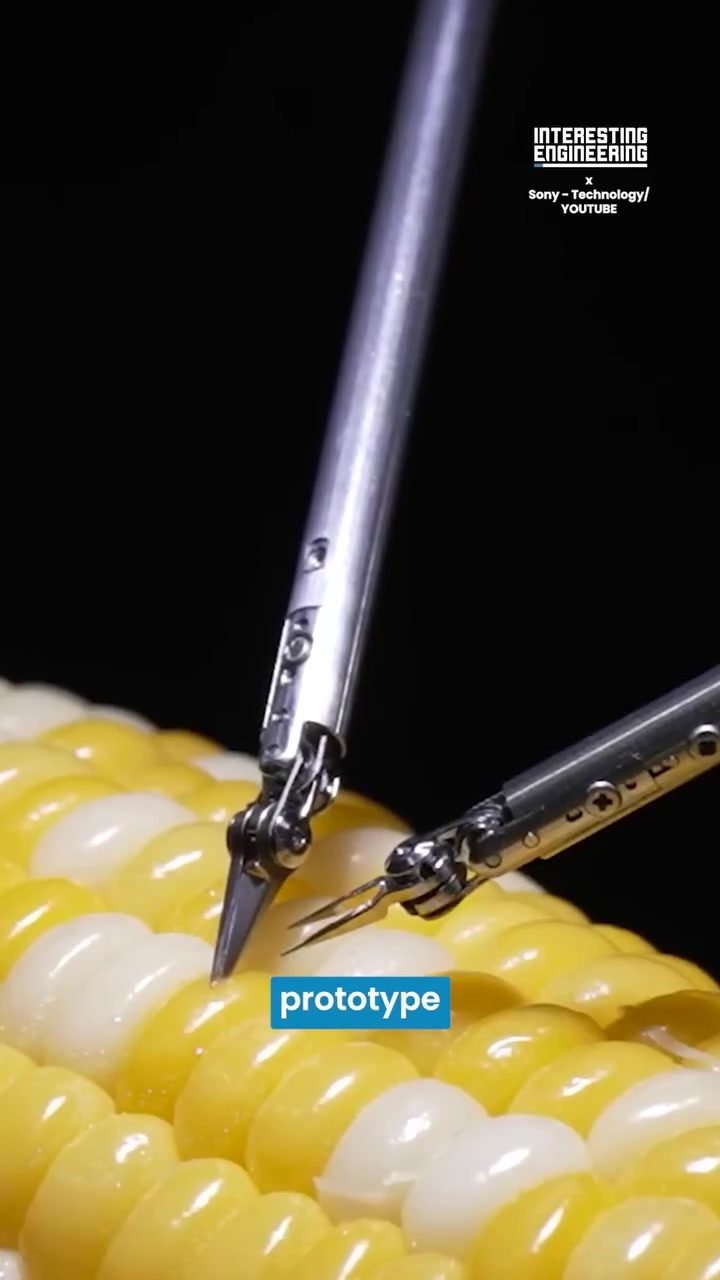
Microsurgery robots are at the forefront of medical innovation, pushing the boundaries of precision and accuracy in surgical procedures. Sony's prototype microsurgery assist robot is a testament to this technological advancement. By suturing corn kernels with an ultra-fine 12-0 needle, the robot showcases its remarkable ability to perform extremely delicate tasks. This technology is designed to assist surgeons during complex procedures, improve surgical accuracy, and expand access to advanced medical treatments.
Why This Matters
The development of microsurgery robots is crucial in the medical field. Surgical procedures often require an extremely high level of precision, where even the smallest movements can significantly impact the outcome. Traditional surgical methods, even with skilled surgeons, can be limited by human factors such as hand tremors. Robots, on the other hand, can filter out these tremors and translate a surgeon's movements into ultra-fine instrument control. This capability is particularly valuable in delicate procedures where precision is paramount.
The Technology Behind Microsurgery Robots
Precision and Accuracy
The key to the success of microsurgery robots lies in their ability to achieve unparalleled precision and accuracy. Sony's prototype, for example, demonstrates this by stitching together corn kernels with an ultra-fine 12-0 needle. This level of precision is essential for procedures that involve tiny blood vessels, nerves, and other delicate structures. The robot's ability to perform these tasks with remarkable accuracy highlights its potential to revolutionize the field of microsurgery.
Filtering Hand Tremors
One of the most significant advantages of microsurgery robots is their ability to filter out hand tremors. Surgeons, despite their extensive training and experience, can still experience slight tremors that affect the precision of their movements. Robots, however, are not subject to these limitations. By filtering out hand tremors, they can translate a surgeon's movements into ultra-fine instrument control, ensuring that every movement is precise and accurate.
Translating Surgeon's Movements
The technology behind these robots involves advanced algorithms and sensors that can translate a surgeon's movements into precise actions performed by the robot. This means that the surgeon can control the robot's movements with the same dexterity and precision as they would their own hands. This capability is particularly valuable in procedures that require a high level of dexterity and precision, such as microsurgery.
Practical Tips for Surgeons
Utilizing Robotic Assistance
For surgeons interested in utilizing robotic assistance in their practice, it is important to undergo proper training. This involves understanding how to operate the robot, as well as how to integrate it into existing surgical workflows. Additionally, surgeons should be familiar with the specific capabilities and limitations of the robot they are using.
Collaboration with Engineers
Collaboration between surgeons and engineers is crucial for the development and improvement of microsurgery robots. Surgeons can provide valuable insights into the specific needs and challenges of microsurgery, while engineers can develop and refine the technology to meet these needs. This collaborative approach can help ensure that the technology is both practical and effective in a clinical setting.
Important Takeaways
Future Potential
While still in the prototype phase, microsurgery robots like Sony's showcase the future potential of robotic-assisted microsurgery. As the technology continues to develop, it has the potential to become a standard tool in surgical procedures, improving outcomes and expanding access to advanced medical treatments.
Expanding Access to Medical Treatments
One of the most exciting aspects of this technology is its potential to expand access to advanced medical treatments. By improving surgical accuracy and precision, microsurgery robots can help make complex procedures more accessible to a wider range of patients. This could lead to better outcomes and improved quality of life for many people.
Conclusion
The development of microsurgery robots represents a significant advancement in the field of medicine. By achieving unparalleled precision and accuracy, filtering out hand tremors, and translating a surgeon's movements into ultra-fine instrument control, these robots have the potential to revolutionize surgical procedures. As the technology continues to develop, it is likely that we will see even more innovative applications and improvements. The future of microsurgery looks bright, and robots like Sony's prototype are leading the way.
Watch the Reel
Questions readers ask
How does Sony's microsurgery robot enhance surgical precision?
Sony's microsurgery robot enhances surgical precision by filtering out human hand tremors and translating the surgeon's movements into ultra-fine, controlled actions. This results in exceptional accuracy, which is crucial for delicate surgical procedures.
What is the significance of suturing corn kernels with a 12-0 needle?
The ability to suture corn kernels with a 12-0 needle demonstrates the extraordinary capability and precision of Sony's microsurgery robot. It showcases the robot's potential in performing extremely delicate tasks that require a high level of fine control, which translates to improved surgical outcomes.
How does robot-assisted surgery benefit patients?
Robot-assisted surgery benefits patients by expanding access to advanced treatments and improving surgical outcomes. The precision and accuracy of microsurgery robots like Sony's prototype can lead to better results, reduced risks, and faster recovery times.
What role do microsurgery robots play in complex surgical procedures?
Microsurgery robots, such as Sony's prototype, assist surgeons during complex procedures by providing enhanced control and accuracy. This allows surgeons to perform intricate tasks with greater ease and precision, leading to improved patient care and outcomes.
What are the key advancements in Sony's microsurgery robot technology?
Key advancements in Sony's microsurgery robot technology include the exceptional precision and accuracy it offers, as well as its ability to filter out human hand tremors. These advancements make it an invaluable tool in delicate surgical procedures, improving overall surgical performance.
How does the Sony microsurgery robot assist surgeons in delicate tasks?
The Sony microsurgery robot assists surgeons in delicate tasks by translating their movements into ultra-fine control, effectively eliminating human hand tremors. This results in precise and accurate actions, making it easier for surgeons to perform intricate procedures with greater confidence and success.
What are the potential implications of using microsurgery robots in the medical field?
The use of microsurgery robots in the medical field can lead to improved surgical outcomes, reduced risks, and faster recovery times for patients. The enhanced precision and accuracy of these robots can also expand access to advanced treatments, benefiting a wider range of patients in need of delicate surgical procedures.
Related deep dives
Similar reads based on topic and creator.
Recent articles
Fresh deep dives from the latest Reels we unpacked.




Comments
Be the first to comment.