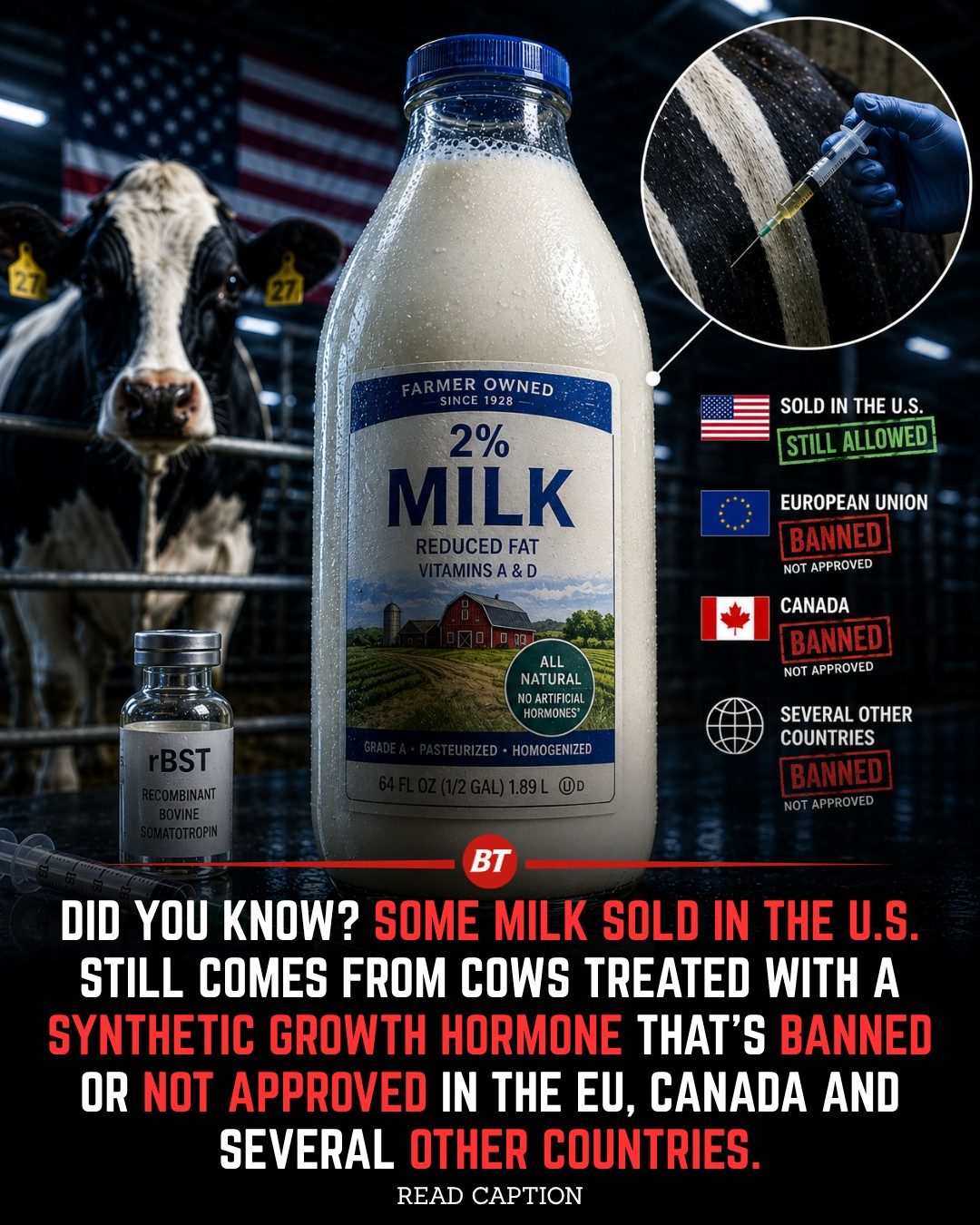
Milk and Recombinant Bovine Somatotropin (rBST)
Milk is a staple in many diets, but the practices behind its production can vary significantly around the world. One of the most contentious issues in dairy production is the use of recombinant bovine somatotropin (rBST), a synthetic growth hormone. The use of rBST in dairy farming has sparked debates about animal welfare, food safety, and regulatory standards.
Why This Matters
The use of rBST in the U.S. dairy industry has significant implications for both consumers and farmers. Understanding the differences in regulation and consumer preferences between the U.S. and other countries can help consumers make informed decisions about the milk they purchase. This knowledge can also influence future regulatory policies and industry practices.
The Role of rBST in Dairy Production
rBST, also known as bovine growth hormone, is a synthetic version of a naturally occurring hormone in cows. It is used to increase milk production by stimulating the cow's natural mammary glands. In the U.S., rBST was approved for use in 1993, allowing dairy farmers to produce more milk from each cow. This hormone is produced in laboratories and has been shown to increase milk yield by about 10-15% per cow.
Regulatory Differences
United States
In the U.S., the Food and Drug Administration (FDA) has approved the use of rBST. The FDA maintains that milk from rBST-treated cows is safe for human consumption and is nutritionally comparable to milk from untreated cows. This stance is based on extensive research and testing, which has not found any significant differences in the milk's composition or health risks.
However, the use of rBST has declined significantly in recent years. Many dairy companies have voluntarily switched to "rBST-free" sourcing due to consumer concerns about farming practices and animal welfare. Some companies market their milk as "from cows not treated with rBST" or "No Artificial Growth Hormones" to appeal to these concerns.
European Union, Canada, and Other Countries
The European Union, Canada, and several other countries, including Australia, Japan, and New Zealand, have banned or not approved the use of rBST. Their decisions were primarily based on animal health and welfare concerns. Research has shown that cows treated with rBST have higher rates of health issues, including mastitis (udder infections), lameness, and reproductive problems.
Because of these findings, regulators in these countries decided not to approve the hormone for commercial dairy production. This has led to a significant difference in dairy production practices and consumer perceptions between the U.S. and these regions.
Consumer Preferences and Market Trends
Many consumers in the U.S. prefer milk labeled "from cows not treated with rBST" or "No Artificial Growth Hormones." This preference is driven by concerns about animal welfare and farming practices, rather than differences in the milk itself. The FDA's stance on the safety of rBST-treated milk has not altered these consumer preferences.
In response to this market trend, many major U.S. milk brands have voluntarily switched to sourcing milk from farms that do not use rBST. This shift has been driven by consumer demand and the desire to align with ethical farming practices.
Practical Tips
If avoiding rBST is important to you, consider the following tips:
- Look for Labels: When shopping for dairy products, look for labels such as "from cows not treated with rBST" or "No Artificial Growth Hormones." These labels indicate that the milk comes from cows not treated with synthetic growth hormones.
- Support Ethical Brands: Choose brands that prioritize animal welfare and ethical farming practices. Many companies now voluntarily source milk from farms that do not use rBST.
- Read Product Information: Pay attention to the information provided on the milk carton. Information about fat content, vitamins, and origin can give you a better understanding of the product.
Important Takeaways
- Recombinant bovine somatotropin (rBST) is a synthetic growth hormone used in dairy production to increase milk yield.
- The FDA approves rBST for use in the U.S., but many consumers prefer milk from cows not treated with rBST due to concerns about animal welfare and farming practices.
- The European Union, Canada, and several other countries have banned or not approved the use of rBST due to concerns about animal health and welfare.
- Consumer preferences and market trends in the U.S. are shifting towards "rBST-free" dairy products, leading many companies to voluntarily switch to sourcing milk from farms that do not use rBST.
- Ethical farming practices and consumer awareness are driving changes in the dairy industry, with a growing emphasis on transparency and animal welfare.
Conclusion
The debate surrounding rBST in dairy production highlights the complexities and nuances of modern agriculture. Understanding the regulatory differences and consumer preferences can help inform purchasing decisions and support ethical farming practices. As the industry continues to evolve, it is essential to stay informed about the practices and policies that shape the dairy products we consume.
Watch the Reel
Questions readers ask
What is rBST and why is it used in U.S. dairy farming?
rBST, or recombinant bovine somatotropin, is a synthetic growth hormone used to increase milk production in dairy cows. It is commonly used in the U.S. to boost milk output, but it is banned in many other countries due to concerns about animal welfare and potential health risks.
Why is rBST banned in some countries but not in the U.S.?
The use of rBST is prohibited in many countries due to differences in animal welfare standards and food safety concerns. The U.S. has different regulatory standards, allowing the use of rBST in dairy products. Consumer preferences and safety perceptions also play a significant role in these regulatory decisions.
How does the use of rBST affect dairy cows and milk quality?
The use of rBST can increase milk production, but it may also lead to health issues for dairy cows, such as mastitis and lameness. Some studies suggest that rBST use may alter the composition of milk, potentially affecting its nutritional content and taste. However, the U.S. Food and Drug Administration (FDA) maintains that milk from rBST-treated cows is safe for human consumption.
What are the main differences between U.S. and Canadian dairy regulations regarding rBST?
Canada also regulates the use of rBST, but unlike the U.S., it does not allow the sale of rBST-treated milk. Canadian dairy producers must label milk as rBST-free or rBGH-free, which aligns more closely with European standards. This regulatory difference reflects varying approaches to food safety and consumer protection between the two countries.
How can consumers identify rBST-free milk in the U.S.?
Many U.S. dairy products are labeled as rBST-free or rBGH-free to cater to consumer concerns. These labels indicate that the milk comes from cows not treated with the synthetic growth hormone. Consumers can look for these labels to choose products that align with their preferences regarding hormone use in dairy farming.
Recent articles
Fresh deep dives from the latest Reels we unpacked.




Comments
Be the first to comment.