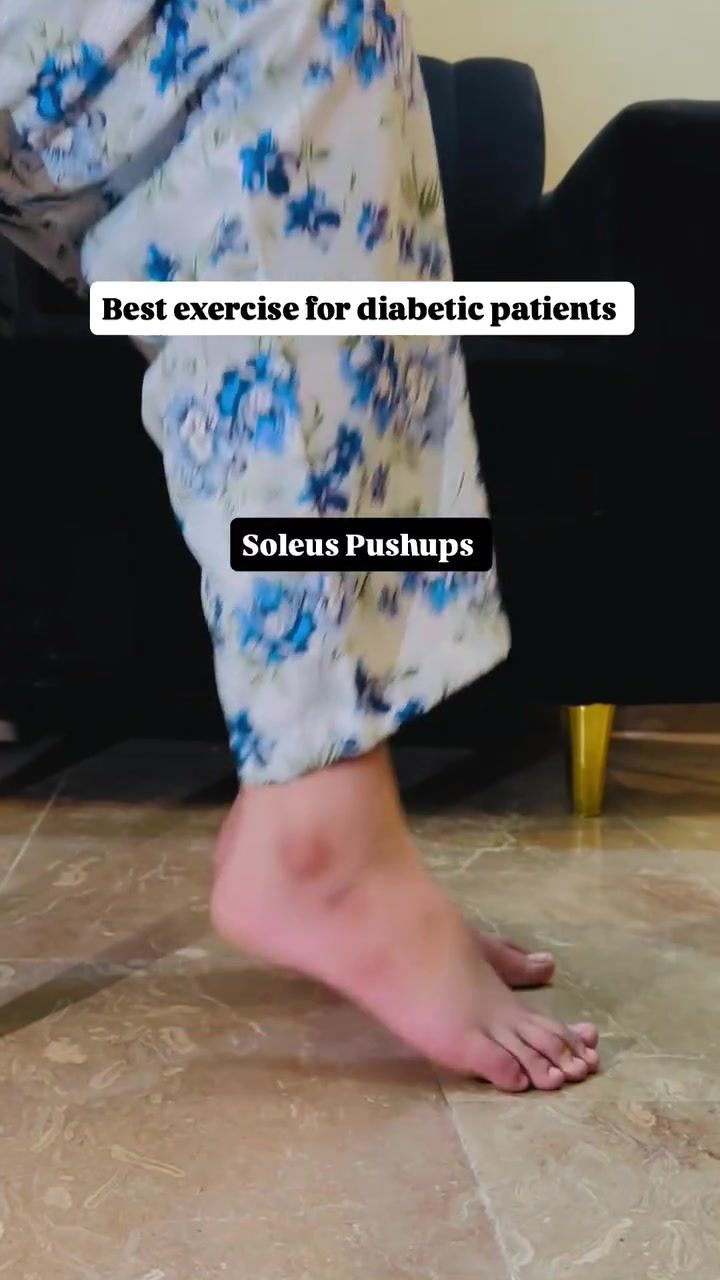
Soleus Pushups: A Simple Exercise to Help Manage Blood Sugar
For those managing diabetes or insulin resistance, finding effective ways to control blood sugar levels is crucial. One interesting approach gaining attention is the activation of the soleus muscle, specifically through an exercise known as Soleus Pushups. This simple, seated exercise has shown promising results in improving post-meal blood sugar control.
Why This Matters
Diabetes management often involves a combination of medication, diet, and exercise. Soleus Pushups offer a unique advantage by providing a quick, easy-to-perform exercise that can be integrated into daily routines. The benefits, as highlighted by recent studies, make it a valuable addition to any diabetes management plan.
Benefits of Soleus Pushups
Glucose Control
A 2022 study by Hamilton et al. published in iScience found that performing Soleus Pushups correctly can significantly reduce post-meal blood sugar levels. Specifically, the exercise was shown to reduce blood glucose by about 52% compared to prolonged sitting. This makes it an effective tool for managing blood sugar spikes after meals.
Insulin Requirements
In addition to reducing blood sugar levels, the study also found that Soleus Pushups can lower insulin requirements by about 60%. This is a significant finding, as reducing insulin dependence can improve overall health and quality of life for individuals with diabetes.
Continuous Glucose and Fat Use
One of the most notable benefits of Soleus Pushups is the continuous use of glucose and fat by the soleus muscle during the exercise. This means that the muscle remains active and burning calories even after the exercise is completed, contributing to better overall metabolic health.
How to Perform Soleus Pushups
Step-by-Step Guide
Performing Soleus Pushups is straightforward and can be done while sitting. Here’s a step-by-step guide:
- Sit Comfortably: Find a comfortable seated position with your back supported.
- Foot Position: Place your feet flat on the floor.
- Push Down: Lift one foot slightly and push down against the floor with the ball of your foot. This action activates the soleus muscle.
- Hold and Release: Hold the position for a few seconds, then release and repeat with the other foot.
- Repetitions: Aim for 10-15 repetitions on each foot. This can be done daily and takes only about 5 minutes.
Tips for Effective Performance
- Focus on Form: Ensure that you are pushing down with the ball of your foot and not your toes. This targets the soleus muscle more effectively.
- Consistency: Incorporate Soleus Pushups into your daily routine. Performing the exercise regularly can yield the best results.
- Combine with Other Exercises: While Soleus Pushups are beneficial on their own, combining them with other low-impact exercises can enhance their effects.
Practical Tips
Integrate into Daily Routine
Since Soleus Pushups can be done while sitting, they can easily be integrated into your daily routine. Consider doing them while watching TV, working at your desk, or during short breaks.
Monitor Progress
Keep track of your blood sugar levels before and after performing Soleus Pushups. This can help you gauge the effectiveness of the exercise and make adjustments as needed.
Consult a Healthcare Provider
Before starting any new exercise regimen, especially if you have a health condition like diabetes, it’s important to consult with a healthcare provider. They can provide personalized advice and ensure that the exercise is safe for you.
Important Takeaways
- Simple and Effective: Soleus Pushups are a simple yet effective way to manage blood sugar levels, especially after meals.
- Scientifically Backed: Supported by a 2022 study, this exercise has been shown to reduce blood sugar levels and insulin requirements significantly.
- Easy to Perform: The exercise can be done while sitting, making it accessible for most individuals.
Conclusion
Managing diabetes requires a multifaceted approach, and Soleus Pushups offer a practical and effective addition to traditional methods. By activating the soleus muscle, this exercise can help improve post-meal blood sugar control, reduce insulin requirements, and contribute to overall metabolic health. Incorporating Soleus Pushups into your daily routine is a simple yet powerful way to support your diabetes management plan.
Watch the Reel
Questions readers ask
What are Soleus Pushups and how do they help with diabetes management?
Soleus Pushups are a simple, seated exercise that involves pushing through the balls of your feet while seated. For those with diabetes or insulin resistance, this exercise helps manage blood sugar levels by activating the soleus muscle, which can reduce post-meal blood sugar spikes and improve overall glucose control.
How exactly do Soleus Pushups lower blood sugar levels?
The exercise enhances the body's ability to absorb glucose from the bloodstream by engaging the soleus muscle, the largest muscle in the calf. This increased muscle activity leads to better insulin sensitivity, making it easier for cells to absorb glucose, thereby lowering blood sugar levels.
Can anyone with diabetes benefit from Soleus Pushups?
While Soleus Pushups can be beneficial for many people with diabetes or insulin resistance, it's important to consult with a healthcare provider before starting any new exercise regimen. This is especially true for individuals with complications from diabetes, such as neuropathy or poor circulation in the legs.
How often should Soleus Pushups be performed for optimal blood sugar control?
The 2022 study on diabetes exercise suggested that performing Soleus Pushups for just a few minutes daily, such as after meals, could help manage blood sugar levels. Consistency is key, so incorporating this exercise into a daily routine can provide the most benefits for those with diabetes.
Are there any specific precautions to consider before starting Soleus Pushups?
Before beginning Soleus Pushups, ensure you have proper footwear to support your feet and avoid injury. Additionally, listen to your body and avoid pushing too hard, especially if you experience any pain or discomfort. Gradually increase the intensity as your strength improves.
Can Soleus Pushups replace other exercises and diabetes medications?
Soleus Pushups should not replace other exercises or diabetes medications without medical supervision. The exercise can complement a comprehensive diabetes management plan, which may include a healthy diet, regular physical activity, and prescribed medications.
Recent articles
Fresh deep dives from the latest Reels we unpacked.




Comments
Be the first to comment.