Solar-Powered Yachts: Innovative Marine Transport
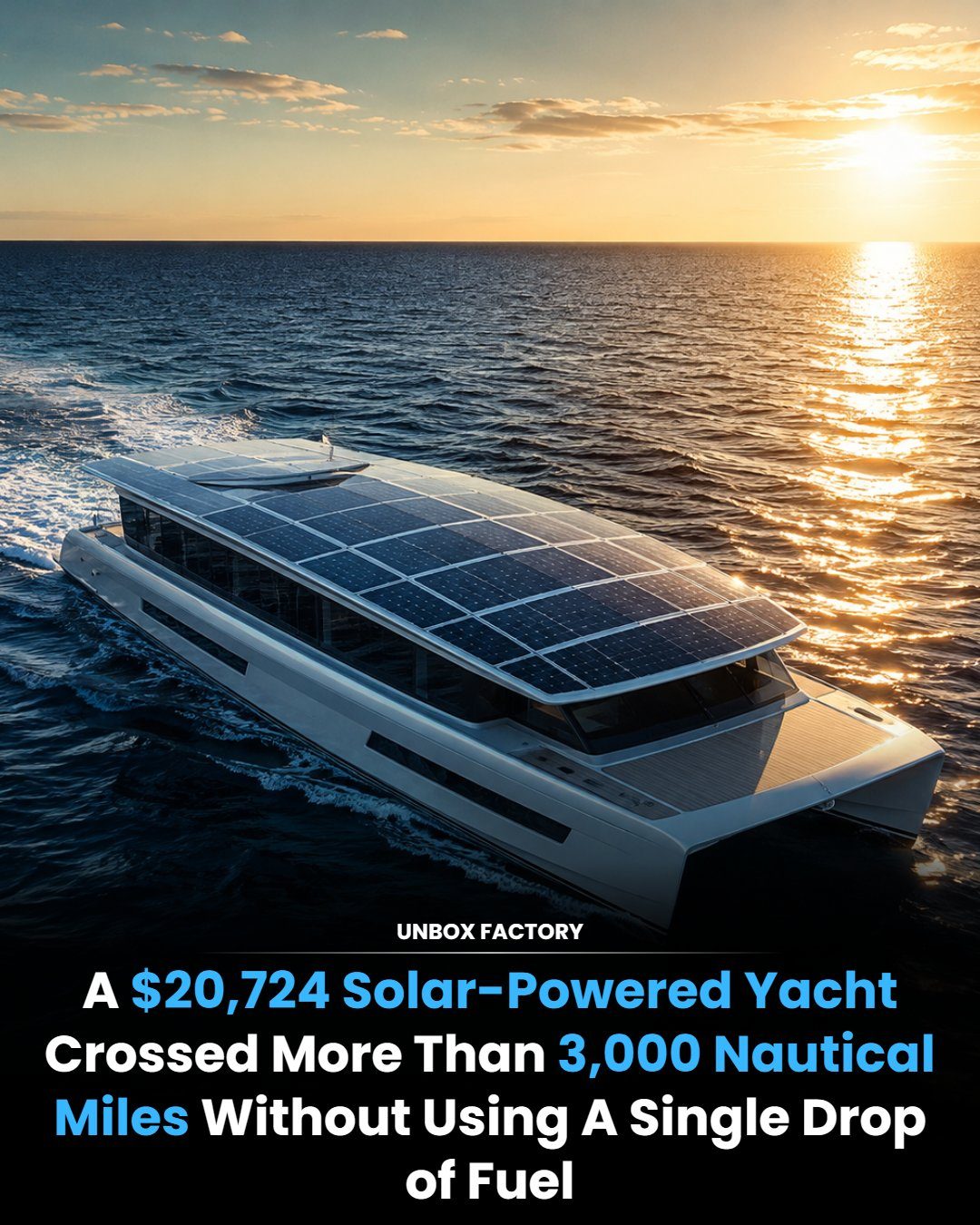
A solar-powered yacht from UNBOX FACTORY has set sail for the future of marine transport. This low-cost yacht successfully completed a voyage of more than 3,000 nautical miles (over 5,500 km), powered entirely by sunlight. The vessel consumed zero fuel and relied solely on electricity generated by onboard solar panels.
Why This Matters
Marine transport currently accounts for around 3% of global greenhouse gas emissions. With the shipping industry under pressure to reduce its environmental impact, zero-emission technologies like solar-powered propulsion are becoming increasingly important. The UNBOX FACTORY yacht demonstrates the practicality of long-distance zero-emission marine transport.
The Technology Behind the Voyage
The yacht is equipped with advanced solar panels that generate electricity, which is then stored in battery systems. This stored energy continuously powers the vessel throughout its journey. This setup highlights the advancements in solar panels, lithium batteries, and electric propulsion systems.
Solar Panels
The solar panels on the yacht are the workhorses of this innovative propulsion system. They convert sunlight into electrical energy, making it possible for the vessel to sail long distances without fuel. These panels are designed to maximize sunlight capture, ensuring that the yacht has a steady supply of energy even on cloudy days.
Lithium Batteries
Storing the energy generated by the solar panels are high-performance lithium batteries. These batteries are efficient, reliable, and capable of holding a large amount of energy. The batteries ensure that the yacht remains operational even when sunlight is not directly available, such as during nighttime or periods of low solar radiation.
Electric Propulsion
The electric propulsion system is the final link in the chain, converting stored energy into motion. This system is highly efficient and requires minimal maintenance, making it ideal for long-distance voyages. The propulsion system works with the battery and solar panel systems to provide a seamless and reliable sailing experience.
Practical Tips for Ascertaining the Success of a Solar-Powered Voyage
For those looking to embark on their own zero-emission marine adventures, here are some practical tips to ensure a successful voyage with a solar-powered yacht.
Assess Your Energy Needs
First and foremost, calculate the amount of energy you will need for your journey. This includes propulsion, lighting, and any other electrical devices you plan to use onboard. Ensure that your solar panels and battery systems can meet these energy requirements. It is always better to have a surplus of energy than to run out mid-voyage.
Choose the Right Solar Panels
Invest in high-quality, efficient solar panels that can withstand marine conditions. Look for panels with a high power rating and a durable design. The panels should be able to generate sufficient electricity even in adverse weather conditions to keep your yacht running smoothly.
Optimize Battery Storage
Select lithium batteries that offer high capacity and reliability. Ensure you have enough storage to power your yacht throughout the day and night. Proper battery management is key to a successful voyage, so consider using a sophisticated battery management system to monitor and optimize your energy usage.
Plan Your Route Carefully
Plan your voyage to take advantage of sunny regions and optimal sailing conditions. This will help maximize your solar panel output and ensure that your batteries remain well-charged. Always have a backup plan in case of unexpected weather changes or delays.
Regular Maintenance
Maintain your solar panels and batteries regularly to ensure they are functioning at their best. Regular cleaning and inspection of the solar panels and periodic maintenance of the batteries will help extend their lifespan and ensure reliable performance.
Important Takeaways
The successful voyage of the UNBOX FACTORY solar-powered yacht underscores the potential of solar energy in marine transport. The combination of advanced solar panels, lithium batteries, and electric propulsion systems makes long-distance zero-emission sailing a practical reality.
Conclusion
This voyage represents a significant milestone in marine transport. As the demand for zero-emission technologies grows, the success of this yacht showcases how the future of marine transport can be both sustainable and efficient. By embracing solar energy, the marine industry can take a giant step towards reducing its carbon footprint and contributing to a greener world.
Watch the Reel
Questions readers ask
How does the UNBOX FACTORY yacht generate power for its voyages?
The UNBOX FACTORY yacht generates power through state-of-the-art solar panels installed on the vessel. These panels convert sunlight into electricity, which is then stored in lithium batteries to power the yacht's electric propulsion system.
What is the significance of the 3,000-mile journey completed by the solar-powered yacht?
The 3,000-mile journey is a milestone in marine transport, demonstrating that solar-powered yachts can travel long distances without relying on fossil fuels. This voyage showcases the feasibility of zero-emission marine transport and its potential to reduce harmful emissions in the shipping industry.
What are the key components of the solar-powered yacht's technology?
The key components of the solar-powered yacht include advanced solar panels that capture solar energy, lithium batteries that store the generated electricity, and an electric propulsion system that drives the yacht. These elements work together to enable zero-fuel marine travel.
How does the solar-powered yacht contribute to reducing environmental impact?
By relying solely on solar energy, the UNBOX FACTORY yacht eliminates the need for fossil fuels, thereby reducing greenhouse gas emissions. This contributes to a cleaner and more sustainable marine transport industry, addressing the current environmental challenges faced by the shipping sector.
Can solar-powered yachts be used for commercial shipping?
While the current design is more suited for demonstration and leisure purposes, the technology used in the UNBOX FACTORY yacht can be scaled and adapted for commercial shipping. As solar technology advances, it may become a viable option for reducing emissions in the shipping industry.
What are the benefits of using solar energy for marine transport?
Solar energy offers a clean and renewable power source for marine transport, reducing dependence on fossil fuels and lowering operational costs in the long run. It also minimizes the environmental footprint of maritime activities, contributing to a more sustainable future for the shipping industry.
What challenges might be faced in transitioning to solar-powered marine transport?
Transitioning to solar-powered marine transport involves overcoming technical challenges, such as optimizing solar panel efficiency and battery storage capacity. Additionally, infrastructure support and regulatory frameworks need to be developed to accommodate this emerging technology in the shipping industry.
Related deep dives
Similar reads based on topic and creator.




Recent articles
Fresh deep dives from the latest Reels we unpacked.




Comments
Be the first to comment.