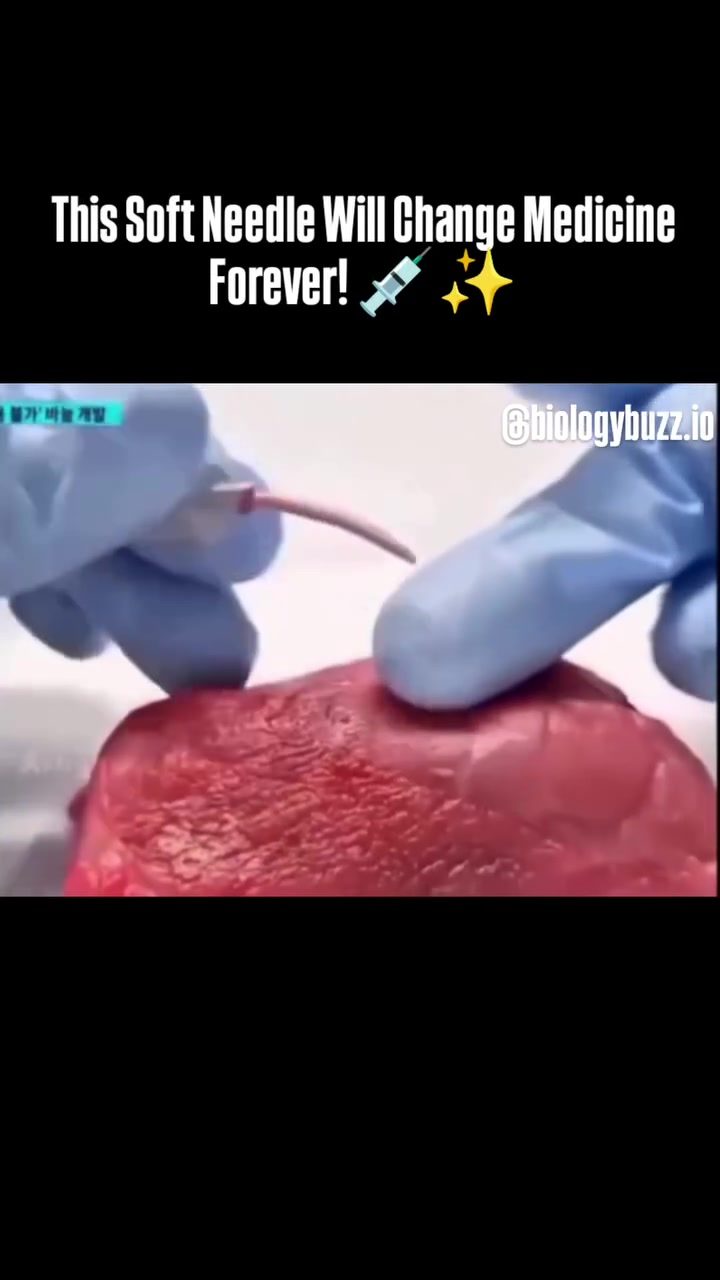
Medical Needle Innovation by biologybuzz
Medical needles have long been a staple in healthcare, but recent innovations are pushing the boundaries of what's possible. One such innovation is the soft, flexible needle technology, which is poised to revolutionize medical procedures. This advancement is not just about incremental improvements; it represents a significant leap forward in medical technology.
Why It Matters
The potential of soft needle technology is vast. Traditional needles, while effective, can be rigid and inflexible, making precise and delicate procedures more challenging. Soft needles, on the other hand, offer greater maneuverability and precision, which can be crucial in minimally invasive surgeries and other delicate medical procedures. This innovation could reduce patient discomfort, shorten recovery times, and improve overall medical outcomes.
The Promise of Soft Needle Technology
Enhanced Precision and Control
One of the standout features of soft needles is their enhanced precision and control. The flexibility of these needles allows for more precise manipulation, which is particularly beneficial in procedures that require delicate handling. For example, in surgeries involving delicate tissues, such as the eyes or nerves, the ability to maneuver the needle with extreme precision can make a significant difference. This level of control can reduce the risk of complications and improve the accuracy of the procedure.
Minimally Invasive Procedures
Soft needles are also designed to be less invasive. Traditional needles can cause more tissue damage due to their rigidity, which can lead to longer recovery times and increased discomfort for the patient. Soft needles, with their flexible design, can minimize tissue trauma, making them ideal for minimally invasive procedures. This can lead to faster healing times and a more comfortable experience for patients.
Applications in Various Medical Fields
The potential applications of soft needle technology are vast. From ophthalmology to neurology, and from cardiovascular procedures to plastic surgery, the benefits of soft needles can be felt across various medical specialties. In ophthalmology, for instance, the precision and flexibility of soft needles can be crucial for procedures like cataract surgery and cornea transplants. In neurology, they can be used for delicate brain surgeries, while in cardiovascular procedures, they can aid in minimally invasive heart surgeries.
Potential to Reduce Patient Discomfort
One of the most significant advantages of soft needle technology is the potential to reduce patient discomfort. Traditional needles can cause discomfort and even pain during insertion and manipulation. Soft needles, with their flexible design, can minimize this discomfort, making procedures more bearable for patients. This can be particularly important in procedures that require repeated use of needles, such as in chemotherapy or dialysis.
Practical Tips for Utilizing Soft Needle Technology
While the potential of soft needle technology is undeniable, it's essential to consider practical aspects when implementing this innovation in medical practice. Here are some tips for maximizing the benefits of soft needles:
Training and Skill Development
Using soft needles requires a different skill set compared to traditional needles. Healthcare professionals need to undergo specialized training to fully leverage the capabilities of these innovative tools. This includes learning new techniques for handling, inserting, and manipulating the needles. Training programs should focus on both theoretical knowledge and hands-on practice to ensure proficiency.
Patient Selection
Not all patients may be suitable for procedures involving soft needles. It's crucial to carefully select patients based on their medical condition, the specific procedure, and the potential benefits and risks. For example, patients with certain medical conditions or those undergoing delicate procedures may benefit more from soft needle technology.
Integration with Existing Technology
Soft needle technology is best utilized as part of a broader medical technology ecosystem. Integrating soft needles with other advanced medical tools and techniques can enhance their effectiveness. This includes using imaging technology, robotic assistance, and other supportive devices to ensure precise and safe procedures.
Important Takeaways
The advent of soft needle technology represents a groundbreaking development in medical innovation. Its potential to revolutionize medical procedures by enhancing precision, minimizing invasiveness, and reducing patient discomfort is undeniable. As this technology continues to evolve, its applications across various medical fields will likely grow, benefiting both healthcare professionals and patients alike.
Conclusion
Soft needle technology by biologybuzz is more than just an incremental improvement; it's a transformative innovation with the potential to redefine medical procedures. By offering enhanced precision, control, and patient comfort, soft needles are poised to become a cornerstone of modern medicine. As we continue to explore the full potential of this technology, the benefits to healthcare will undoubtedly grow, paving the way for a future where medical procedures are safer, more effective, and less invasive.
Watch the Reel
Questions readers ask
What are the main advantages of soft needle technology in medical procedures?
Soft needle technology enhances precision and control, and reduces invasiveness. This leads to better results for patients and minimizes tissue trauma. Additionally, these needles offer greater maneuverability, making them ideal for delicate and minimally invasive surgeries.
How does soft needle technology improve minimally invasive surgeries?
Soft needles provide better precision and control, allowing surgeons to navigate complex anatomical structures with ease. This reduces the need for large incisions, decreases tissue trauma, and speeds up recovery times.
What kind of procedures can benefit from soft needle technology?
Soft needle technology is particularly useful in minimally invasive surgeries and delicate procedures. These include procedures like brain surgeries, cardiac interventions, and other complex surgeries where precision and flexibility are crucial.
How does soft needle technology enhance medical control during procedures?
Soft, flexible needles offer greater maneuverability, which allows medical professionals to navigate through the body more precisely. This helps in targeting specific areas, improving the overall control and effectiveness of the procedure.
Can soft needle technology reduce patient recovery time?
Yes, by minimizing tissue trauma and reducing the invasiveness of procedures, soft needle technology can significantly decrease recovery times. This leads to better patient outcomes and a quicker return to normal activities.
What makes soft needle technology a significant innovation in medicine?
Soft needle technology represents a notable advancement due to its ability to offer greater precision, control, and flexibility. This makes it a standout innovation in medicine, as it can significantly improve the outcomes of complex and delicate procedures.
How does soft needle technology address the limitations of traditional needles?
Traditional needles can be rigid and inflexible, which can make precise and delicate procedures more challenging. Soft needles address this by providing greater maneuverability, allowing for more accurate and controlled movements during procedures, and reducing tissue damage.
Related deep dives
Similar reads based on topic and creator.

Recent articles
Fresh deep dives from the latest Reels we unpacked.




Comments
Be the first to comment.