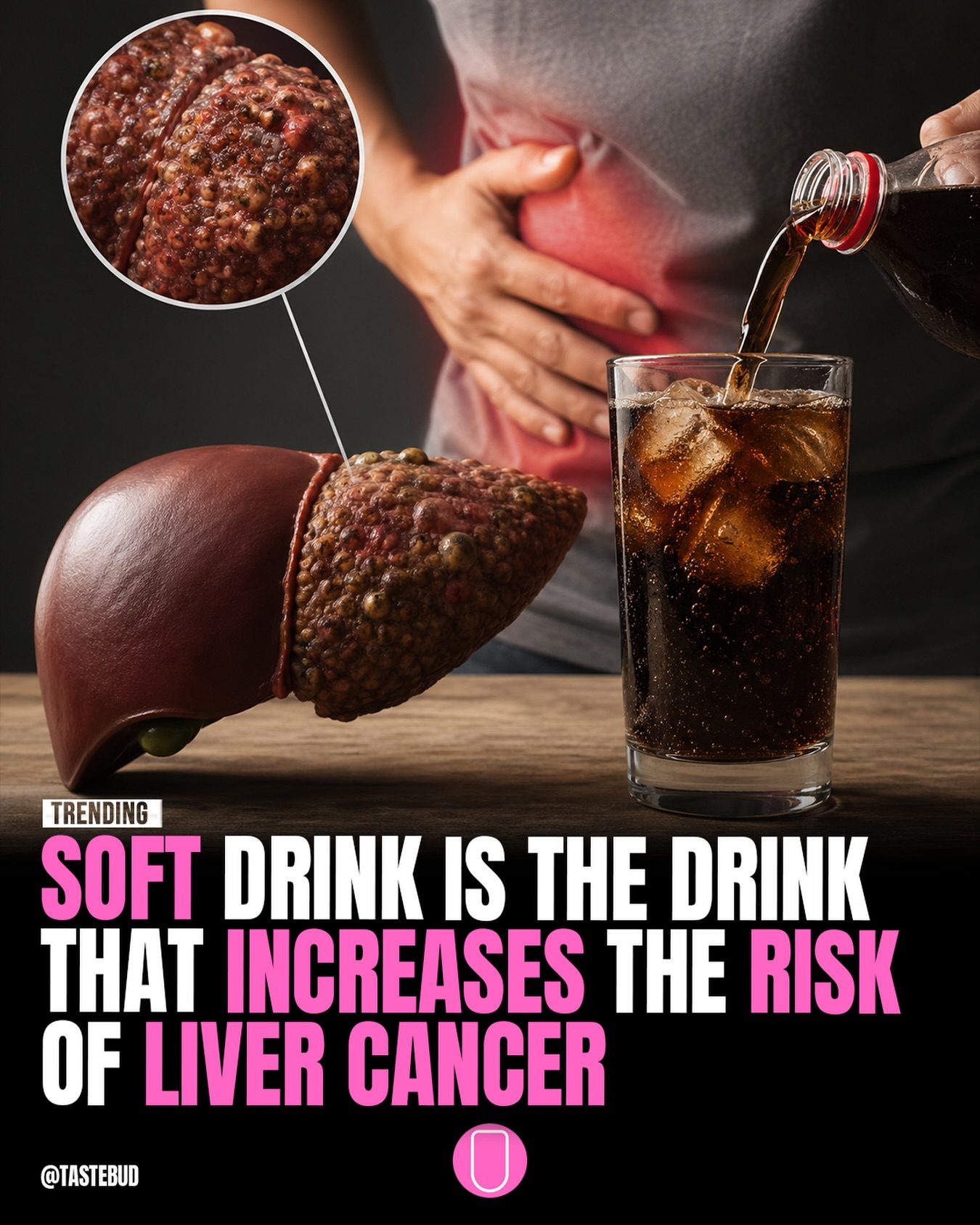
Liver Cancer Risk and Sugary Drinks
Regular consumption of sugary soft drinks has been linked to several long-term health risks, particularly an increased risk of fatty liver disease, insulin resistance, and chronic inflammation. High intake of these beverages can lead to excessive fructose processing in the liver, resulting in fat buildup over time. This metabolic imbalance can contribute to a range of health issues, including an elevated risk of liver cancer.
Fructose, a type of sugar found in many soft drinks, is metabolized primarily in the liver. Unlike glucose, which is used by cells throughout the body, fructose is almost exclusively processed by the liver. When consumed in large amounts, fructose can overwhelm the liver's capacity to metabolize it, leading to the accumulation of fat. This fat buildup, or steatosis, can progress to non-alcoholic fatty liver disease (NAFLD), a condition that affects millions of people worldwide.
The Role of Fructose in Liver Health
Fructose is a significant component of many sugary beverages, often in the form of high-fructose corn syrup or sucrose. When consumed in excess, fructose can lead to several detrimental effects on liver health:
- Fat Accumulation: Excessive fructose intake can cause fat to accumulate in the liver, leading to fatty liver disease. This condition can progress to more severe forms, including non-alcoholic steatohepatitis (NASH), which involves liver inflammation and damage.
- Insulin Resistance: High fructose consumption has been linked to insulin resistance, a condition where the body's cells become less responsive to insulin. This can lead to elevated blood sugar levels and an increased risk of type 2 diabetes.
- Inflammation: Chronic inflammation is a hallmark of many liver diseases, including those caused by excessive fructose intake. This inflammation can exacerbate liver damage and contribute to the development of liver cancer.
Soft Drinks and Liver Cancer
Soft drinks have emerged as a significant contributor to liver cancer risk due to their high sugar content. Studies have shown that regular consumption of sugary beverages can increase the risk of liver cancer, particularly in individuals with pre-existing liver conditions such as NAFLD or NASH. The exact mechanisms by which sugary drinks contribute to liver cancer are still being researched, but several factors are likely at play:
- Fructose Metabolism: As mentioned, excess fructose is processed in the liver and can lead to fat buildup. This metabolic stress can contribute to chronic inflammation and liver damage, increasing the risk of cancer.
- Oxidative Stress: High fructose intake can increase oxidative stress in the liver, leading to the production of reactive oxygen species (ROS). These molecules can damage liver cells and contribute to the development of cancer.
- Inflammation and Insulin Resistance: Chronic inflammation and insulin resistance, both of which are associated with high fructose consumption, can create an environment conducive to cancer development.
Other Long-Term Health Risks
Beyond liver cancer, regular consumption of sugary soft drinks has been linked to a host of other health issues:
- Obesity and Weight Gain: Sugary drinks are high in calories but low in nutrients, contributing to weight gain and obesity. Excessive weight can lead to a variety of health problems, including heart disease, type 2 diabetes, and certain cancers.
- Dental Issues: The high sugar content in soft drinks can contribute to tooth decay and other dental problems. Sugary beverages can also erode tooth enamel, leading to cavities and other oral health issues.
- Cardiovascular Disease: High intake of sugary beverages has been associated with an increased risk of cardiovascular disease, including heart attacks and strokes. This is likely due to the combined effects of weight gain, insulin resistance, and inflammation.
Practical Tips for Reducing Sugary Drink Intake
Making a conscious effort to reduce the consumption of sugary soft drinks can significantly improve overall health. Here are some practical tips to help you cut back on sugary beverages:
- Choose Water: Water is the best alternative to sugary drinks. It hydrates the body without adding calories or sugar. You can add a slice of lemon, lime, or cucumber for flavor.
- Opt for Unsweetened Beverages: Unsweetened tea, coffee, and sparkling water are healthier alternatives to sugary drinks. You can add a splash of fruit juice for flavor if desired.
- Read Labels: Pay attention to the sugar content in beverages. Even seemingly healthy drinks can be high in sugar. Look for beverages with lower sugar content or no added sugars.
- Gradual Reduction: If you find it challenging to eliminate sugary drinks entirely, try gradually reducing your intake. For example, if you drink two sodas a day, cut down to one, and then to half a soda over time.
- Stay Hydrated: Sometimes, thirst is misinterpreted as hunger. Staying hydrated can help curb cravings for sugary drinks. Carry a water bottle with you and take sips throughout the day.
- Mindful Eating: When you do consume sugary drinks, consider it a treat rather than a regular part of your diet. Enjoy them mindfully and in moderation.
- Find Alternatives: Experiment with different beverages to find healthier alternatives that you enjoy. For example, try infused water, herbal tea, or low-sugar sports drinks.
Important Takeaways
Regular consumption of sugary soft drinks can have serious long-term health implications, including an increased risk of liver cancer, fatty liver disease, and other metabolic disorders. Fructose, a common sugar found in these beverages, is processed in the liver and can lead to fat buildup and inflammation. Reducing your intake of sugary drinks and opting for healthier alternatives can help mitigate these risks and support overall health.
If you enjoy your drinks, no need to panic. The key is to make informed decisions and balance your consumption. Choose lower-sugar beverages and stay hydrated with water. Gradually reducing your intake and being mindful of your choices can make a significant difference in your health over time.
Conclusion
Understanding the risks associated with regular consumption of sugary soft drinks is the first step toward making healthier choices. By opting for lower-sugar beverages and staying hydrated, you can support better liver health and reduce the risk of long-term health issues. Making gradual, mindful changes to your diet can lead to significant improvements in your well-being.
Watch the Reel
Questions readers ask
How does fructose in soft drinks contribute to liver cancer risk?
Fructose, a sugar found in many soft drinks, is primarily metabolized in the liver. When consumed in large quantities, it can overwhelm the liver, leading to fat buildup and inflammation, which can progress to serious liver conditions, including cancer.
What are the long-term effects of consuming sugary soft drinks?
Long-term consumption of sugary soft drinks has been linked to a range of health issues, including fatty liver disease, insulin resistance, and chronic inflammation. These conditions can increase the risk of liver cancer and other serious health problems over time.
Why is fructose more harmful to the liver than other sugars?
Unlike glucose, which is used by cells throughout the body, fructose is almost exclusively processed by the liver. High intake of fructose can overwhelm the liver and lead to fat accumulation and inflammation, which can contribute to liver damage and cancer risk.
Can reducing sugary drink consumption help prevent liver cancer?
Yes, reducing the consumption of sugary drinks can help lower the risk of liver cancer. By decreasing the amount of fructose entering the liver, you can help prevent fat buildup and inflammation, promoting better liver health.
What are the early signs of liver damage caused by sugary drinks?
Early signs of liver damage from excessive sugary drink consumption can include weight gain, abdominal fat, fatigue, and elevated liver enzymes. Regular check-ups and monitoring can help detect these signs early and prompt lifestyle changes to reverse or prevent further damage.
How does metabolic syndrome relate to liver cancer risk?
Metabolic syndrome, characterized by conditions like insulin resistance and chronic inflammation, is often linked to excessive fructose consumption from sugary drinks. This syndrome can progress to liver cancer, making it crucial to address these metabolic imbalances through a balanced diet and lifestyle changes.
What are some healthier alternatives to sugary soft drinks?
Healthier alternatives to sugary soft drinks include water, unsweetened tea, sparkling water with a squeeze of lime or lemon, and low-sugar beverages. Incorporating these alternatives can help reduce the risk of liver damage and other related health issues.
Related deep dives
Similar reads based on topic and creator.



Recent articles
Fresh deep dives from the latest Reels we unpacked.




Comments
Be the first to comment.