Soda and Sugar: Understanding the Impact
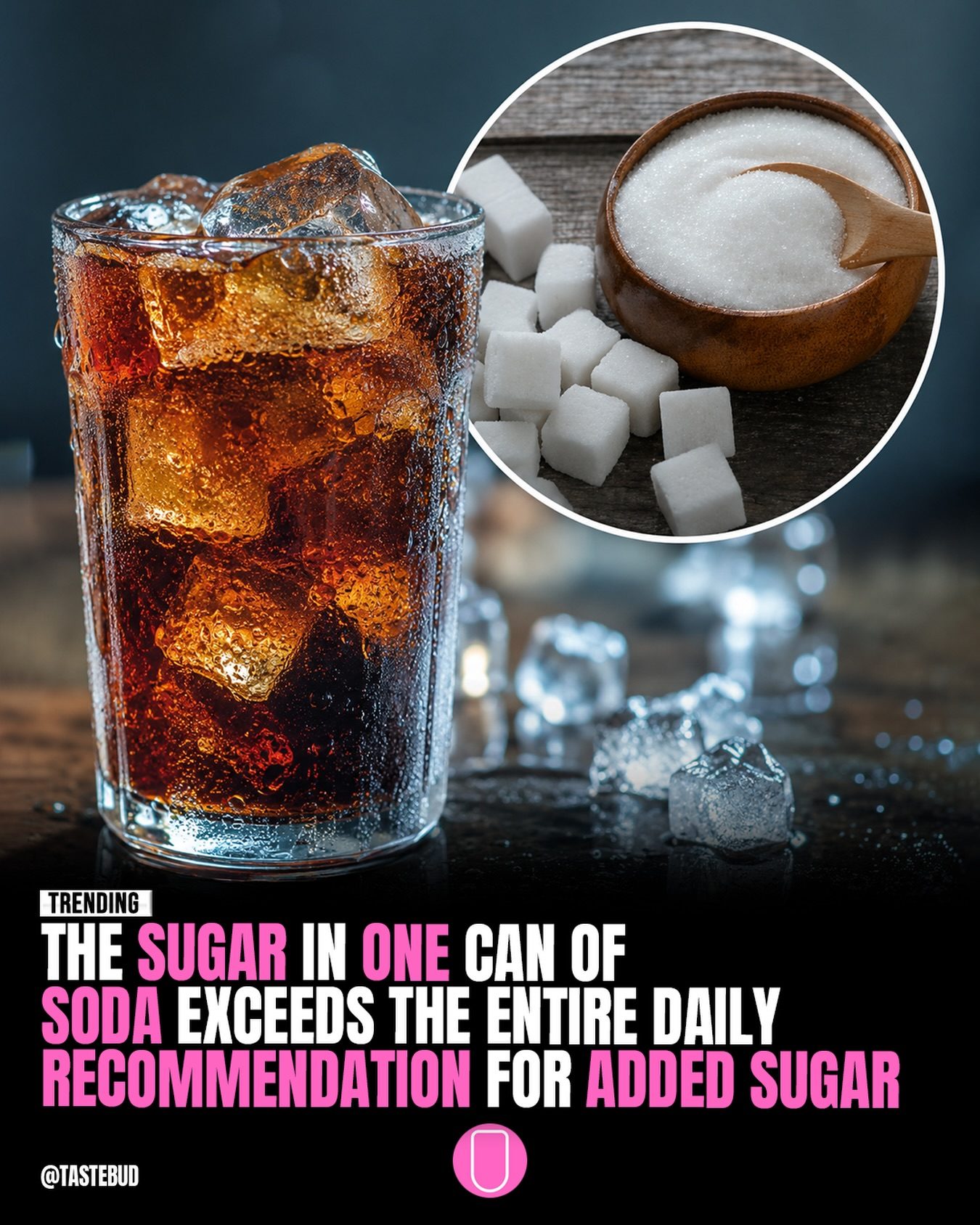
Soda is a popular beverage enjoyed by many, but it's crucial to understand the implications of its sugar content. A single 12-ounce can of soda contains around 35 to 40 grams of added sugar. This amount already exceeds the daily limit recommended by the American Heart Association for many people, which is 25 grams (6 teaspoons) for women and 36 grams (9 teaspoons) for men. Regular consumption of sugary drinks has been linked to various health issues, including obesity, type 2 diabetes, and heart disease.
Why This Matters
The high sugar content in soda is not just a matter of personal preference; it has significant health implications. The American Heart Association recommends limiting added sugars to no more than 100 calories per day (about 6 teaspoons or 25 grams of sugar) for most women and no more than 150 calories per day (about 9 teaspoons or 36 grams of sugar) for most men. Exceeding these limits can lead to severe health problems over time.
The Controversy Surrounding Sugar and Health
One of the most controversial aspects of soda and sugar is the historical influence of the sugar industry. Parts of the sugar industry have been known to fund research that shifts the focus away from sugar and towards fat. This controversy has fueled ongoing debates about the role of sugar in modern diets and its impact on public health.
Main Discussion
Sugar Content in Soda
A single can of soda can contain a staggering amount of sugar. To put this into perspective, the sugar in one can of soda exceeds the entire daily recommended amount for added sugar. This means that consuming just one can of soda can push an individual over the recommended daily sugar limit, which can have serious health consequences.
Health Risks Associated with High Sugar Intake
Regular consumption of sugary drinks like soda has been linked to several health issues. Some of the most notable risks include:
- Obesity: High sugar intake can lead to weight gain and obesity, which in turn increases the risk of other health problems.
- Type 2 Diabetes: Excessive sugar consumption can contribute to the development of type 2 diabetes, a condition that affects how the body uses glucose.
- Heart Disease: High sugar intake is associated with an increased risk of heart disease, including conditions like high blood pressure and high cholesterol levels.
- Dental Problems: Sugary drinks can also contribute to tooth decay and other dental issues.
The Role of the Sugar Industry
The sugar industry has a complex history, particularly in relation to public health. Historically, parts of the sugar industry have funded research that directed public attention away from sugar and towards fat as a primary cause of health problems. This has contributed to a contentious debate in the field of nutrition, making it difficult for consumers to get clear, unbiased information about the impact of sugar on their health.
Practical Tips
Reducing Soda Consumption
To reduce the health risks associated with soda, consider the following tips:
- Limit Intake: Aim to limit your soda consumption to special occasions rather than making it a daily habit.
- Opt for Healthier Alternatives: Consider switching to healthier beverages like water, unsweetened tea, or sparkling water.
- Read Labels: Be mindful of the sugar content in the beverages you consume. Look for drinks that are low in added sugars.
- Stay Hydrated: Ensure you are getting enough water throughout the day. This can help reduce cravings for sugary drinks.
Making Informed Choices
When it comes to soda and sugar, knowledge is power. Understanding the impact of sugar on your health can help you make more informed choices about what you drink. By being aware of the sugar content in your beverages and making conscious efforts to limit your intake, you can significantly improve your overall health and well-being.
Exploring Sugar Alternatives
If you find it challenging to give up soda entirely, consider exploring sugar alternatives. There are several low-calorie and sugar-free options available that can help satisfy your cravings without the negative health effects. Some popular alternatives include:
- Sugar-free Soda: Many brands offer sugar-free versions of their sodas, which can be a healthier alternative.
- Diet Soda: While diet sodas contain artificial sweeteners, they are generally lower in calories and sugar compared to regular soda.
- Sparkling Water: Adding a squeeze of lime or lemon to sparkling water can be a refreshing and healthy alternative to soda.
Important Takeaways
The Impact of Sugar on Health
The high sugar content in soda can have significant health implications, including obesity, type 2 diabetes, and heart disease. Understanding the impact of sugar on your health is crucial for making informed choices about what you drink.
The Role of the Sugar Industry
The historical influence of the sugar industry on public health research has contributed to ongoing debates about the role of sugar in modern diets. Staying informed about these debates can help you make more informed decisions about your dietary choices.
Practical Tips for Reducing Soda Consumption
By limiting your soda intake, opting for healthier alternatives, reading labels, and staying hydrated, you can significantly reduce the health risks associated with sugary drinks. Exploring sugar alternatives can also help satisfy your cravings without the negative health effects.
Conclusion
Soda and sugar are intertwined in a complex web of health risks and industry influence. By understanding the impact of sugar on your health, staying informed about the role of the sugar industry, and making conscious efforts to reduce your soda consumption, you can significantly improve your overall well-being. Opting for healthier alternatives and exploring sugar-free options can also help you satisfy your cravings without compromising your health. Taking these steps can lead to a healthier, more informed approach to your dietary choices.
Watch the Reel
Questions readers ask
How much sugar is in a single can of soda?
A standard 12-ounce can of soda contains approximately 35 to 40 grams of added sugar. This is a significant amount, especially when compared to the daily limits recommended by the American Heart Association, which are 25 grams for women and 36 grams for men.
What are the health risks associated with drinking soda?
Regular consumption of soda is linked to several serious health issues. These include an increased risk of obesity, type 2 diabetes, and heart disease. The high sugar content in soda contributes to these risks, making it important to monitor intake.
What is the daily sugar intake limit set by the American Heart Association?
The American Heart Association recommends that women consume no more than 25 grams (6 teaspoons) of added sugar per day, and men should limit their intake to no more than 36 grams (9 teaspoons). A single can of soda can easily exceed these limits.
Does soda consumption affect weight management?
Yes, soda consumption can significantly impact weight management. The high sugar content in soda contributes to excess calorie intake, which can lead to weight gain and obesity. Cutting down on sugary drinks can help maintain a healthy weight.
What are the alternatives to sugary drinks for maintaining health?
There are several healthier alternatives to sugary drinks such as soda. These include water, unsweetened tea, and low-fat or non-dairy milk. Additionally, you can opt for sparkling water with a squeeze of lime or lemon for added flavor without the excessive sugar.
How can I track my daily sugar intake effectively?
Tracking your daily sugar intake can be done through various methods. You can start by reading nutrition labels on food and beverage products, using smartphone apps or websites that calculate sugar intake, and keeping a food journal to monitor your consumption accurately.
Related deep dives
Similar reads based on topic and creator.



Recent articles
Fresh deep dives from the latest Reels we unpacked.




Comments
Be the first to comment.