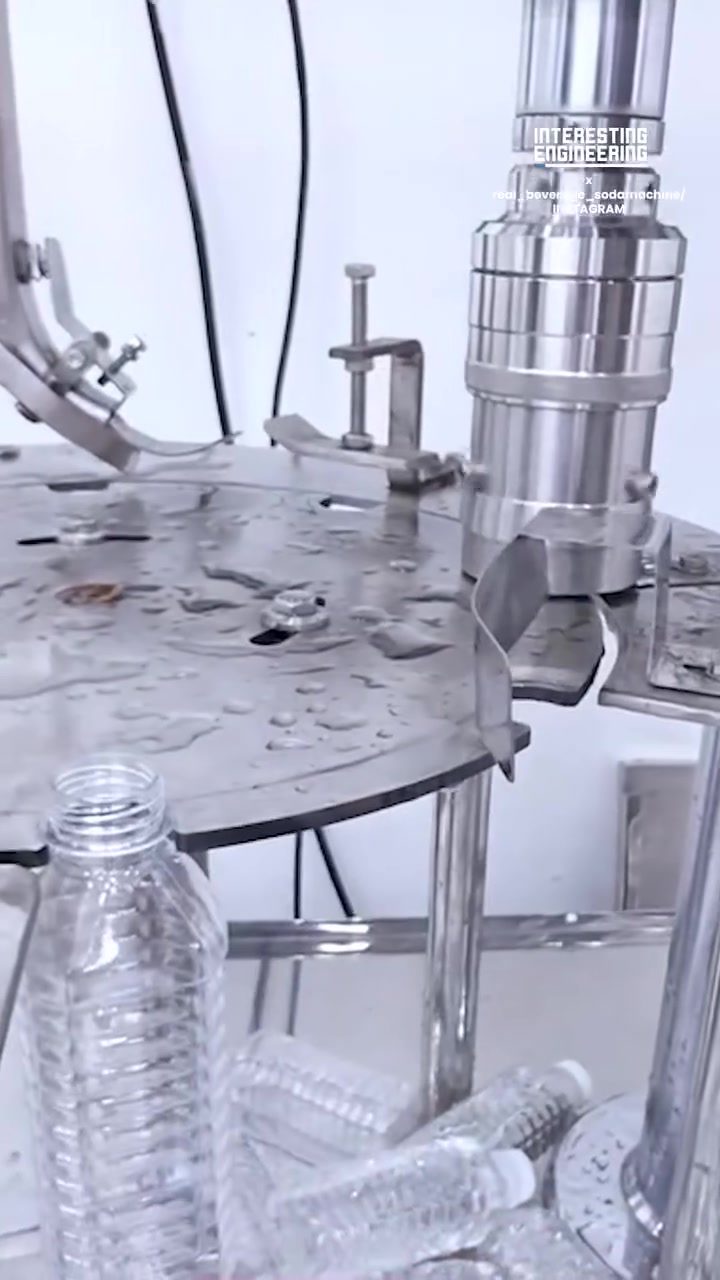
Soda Machines: The Engineering Behind Bottled Beverages
Bottling carbonated beverages is a process that combines efficiency, precision, and sanitation. These soda machines are engineered to handle high volumes in continuous, automated processes. Let's explore the fascinating operations of these machines and their role in maintaining the quality, consistency, and hygiene of our favorite beverages.
Why This Matters
In our daily lives, we often overlook the intricate machinery behind our beverages. Soda machines are not just about dispensing drinks; they are a testament to modern engineering and automation. Understanding how these machines work can provide a deeper appreciation for the effort and precision required to deliver a consistent product.
The Components and Process
Rotary System
At the heart of many soda machines lies a rotary system. This system ensures that every bottle goes through the same sequence of operations:
- Filling: Bottles are filled with carbonated liquid, a process that requires precise measurement to ensure consistency in every bottle.
- Capping: Once filled, the bottles are sealed with a tight cap to maintain the carbonation.
- Sanitization: Throughout this process, cleaning mechanisms ensure that the bottles and the machine itself remain clean and sanitized.
Importance of Sanitization
Sanitization is a crucial aspect of beverage production. Water droplets visible during the process indicate that the machine is actively cleaning itself, ensuring that each batch of beverages is produced in a sanitary environment. This is particularly important for maintaining product quality and safety.
Stainless Steel Construction
Soda machines are often made of stainless steel. This material choice is not just about durability; it also aids in maintaining the integrity and taste of the beverages. Stainless steel does not react with the liquids it comes into contact with, ensuring that the product remains unaffected by the material it is stored in.
Maintaining Flow and Consistency
Automation
Modern soda machines are automated, reducing the need for human intervention. This automation ensures that the filling and capping processes are continuous and uninterrupted. The machine can maintain a steady flow and consistency, essential for mass production.
Real-time Monitoring
Automated soda machines are often equipped with sensors and real-time monitoring systems. These systems check for any irregularities in the process, such as inconsistent filling or improper capping. This real-time monitoring is crucial for maintaining the quality and consistency of the final product.
Practical Tips for Optimal Use
Regular Maintenance
Regular maintenance is key to the long-term efficiency of a soda machine. This includes cleaning the machine, checking sensors, and ensuring that all moving parts are properly lubricated. Neglecting maintenance can lead to inconsistent performance and potential breakdowns.
Training
If you have employees operating the soda machine, proper training is essential. They should be familiar with the machine's operation, troubleshooting common issues, and following safety protocols. Knowledgeable staff can help maintain the machine's efficiency and performance, reducing downtime and increasing productivity.
Upgrades
If your soda machine is outdated, consider upgrading to a newer model. Newer machines come with improved features and technologies that can enhance efficiency and performance. Look for models that offer real-time monitoring, automated cleaning, and durable construction.
Important Takeaways
Efficiency
Automated soda machines are designed for efficiency. Their ability to handle high volumes with minimal human intervention makes them indispensable in the beverage industry.
Consistency
Consistency is key in beverage production. Automated systems ensure that every bottle is filled and capped to the same standards, maintaining the product's quality from batch to batch.
Cleanliness
Sanitization is a crucial part of the process. Keeping the machine clean ensures that the beverages produced are free from contaminants and safe for consumption.
Durability
Stainless steel construction ensures that the machine can withstand the rigors of continuous operation and maintain its performance over time.
Conclusion
Soda machines are a marvel of modern engineering, combining automation, precision, and cleanliness to produce consistent, high-quality beverages. Whether you are a beverage enthusiast or a professional in the industry, understanding the inner workings of these machines can provide a deeper appreciation for the engineering that goes into every bottle.
Watch the Reel
Questions readers ask
How does the filling process work in a soda machine?
The filling process in a soda machine typically involves a rotary system. Bottles are placed on a rotating carousel, where they move through various stations. At the filling station, a precise amount of carbonated beverage is dispensed into each bottle, ensuring consistency in volume and carbonation.
What materials are soda machines made of to ensure drink quality?
Soda machines are primarily made of stainless steel, which is chosen for its durability and resistance to corrosion. This material helps maintain the hygiene and quality of the beverages. It also ensures that the machines can withstand the rigors of continuous, high-volume production.
Why are carbonated beverages filled under pressure?
Carbonated beverages are filled under pressure to maintain their fizz and prevent the loss of carbonation. This process is carefully controlled to ensure that the correct amount of pressure is applied, preserving the drink's effervescence and preventing over- or under-carbonation.
How does automated bottle sealing ensure consistency?
Automated bottle sealing ensures consistency by using precise machinery to apply caps at a consistent torque. This process, combined with the controlled environment of the soda machine, maintains the carbonation and prevents leaks, ensuring that every bottle is sealed to the same high standard.
What are the key benefits of using stainless steel in soda machines?
Stainless steel in soda machines offers several benefits, including resistance to corrosion and easy cleaning. This material helps maintain the cleanliness of the machinery, which is crucial for producing high-quality beverages. Additionally, stainless steel is durable, ensuring longevity and minimal downtime for maintenance.
How do soda machines maintain the quality of beverages during high-volume production?
Soda machines maintain beverage quality through a combination of precise engineering and automated processes. The use of stainless steel, controlled environments, and consistent filling and capping processes all contribute to the high-quality output, even at high volumes. Regular cleaning and maintenance also play a crucial role in sustaining this level of quality.
Related deep dives
Similar reads based on topic and creator.

Recent articles
Fresh deep dives from the latest Reels we unpacked.




Comments
Be the first to comment.