Soda and Liver Damage
Soda is a popular beverage, but recent research highlights a concerning link between regular soda consumption and liver health. Specifically, some studies suggest that drinking soda regularly can increase the risk of fatty liver disease.
Why This Matters
Fatty liver disease is a condition where excess fat builds up in the liver. This can lead to inflammation and, in severe cases, scarring and liver failure. Understanding the factors that contribute to this disease is crucial for maintaining overall health.
Main Discussion
The Impact of Soda on Liver Health
Research indicates that consuming around 250 milliliters of soda per day is linked to a higher risk of developing fatty liver disease. This amount is roughly equivalent to a single can or small bottle of soda. The impact is significant, as it suggests that even moderate consumption can have detrimental effects on liver health.
Soda vs. Alcohol
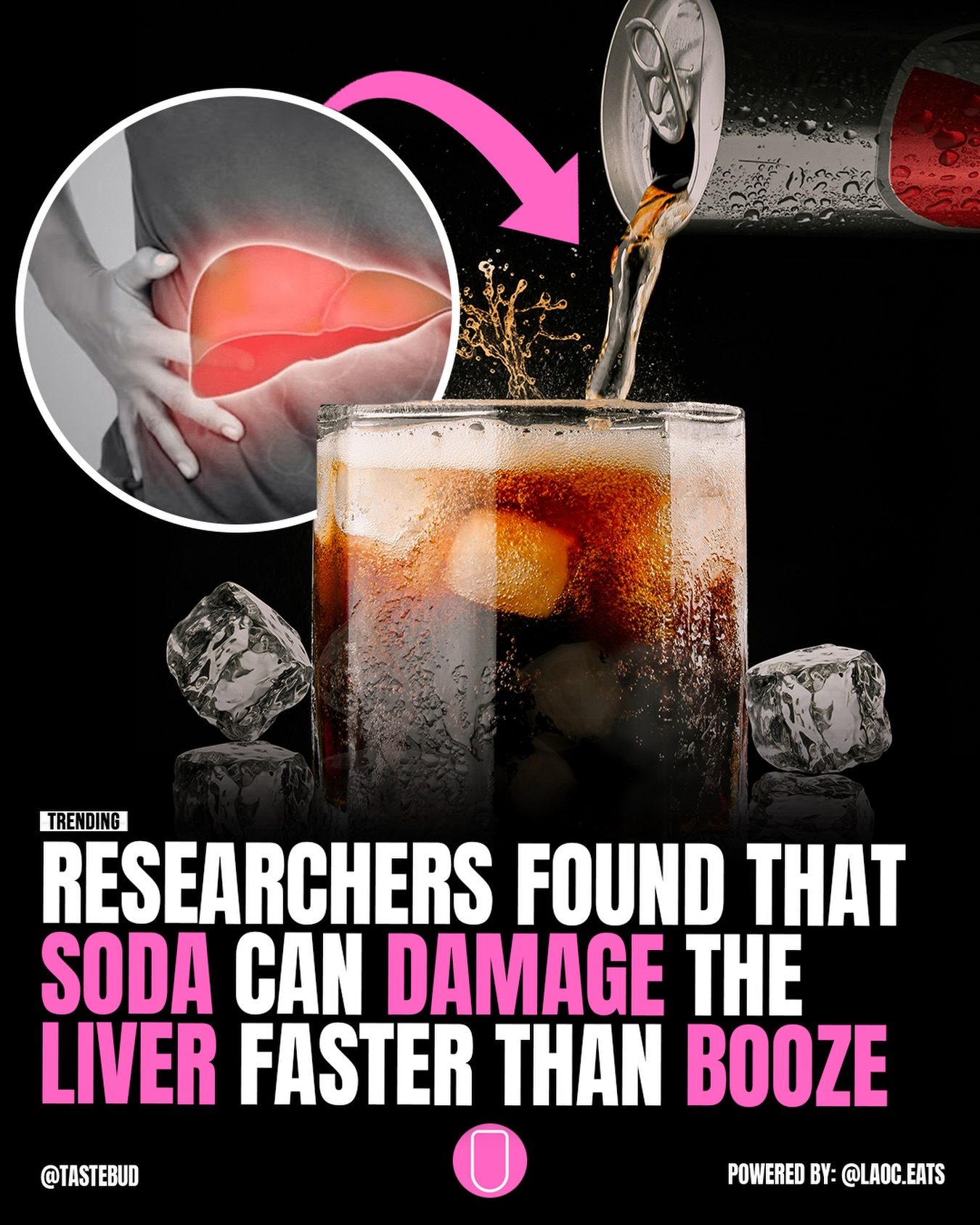
One of the striking points emphasized is the comparison between soda and alcohol. While alcohol is widely known for its potential to damage the liver, soda can be just as harmful, if not more so. The visuals in the reel show a glass of soda with ice cubes and a close-up of a liver with a red, inflamed area, suggesting that soda can cause liver damage faster than alcohol.
Types of Soda
Both sugary and diet sodas have been examined in research. The concern is not limited to one type of soda; both can contribute to liver damage. This underscores the importance of being mindful of all types of soda consumption, not just those high in sugar.
Overall Lifestyle and Diet
While soda consumption is a significant factor, experts note that overall lifestyle and diet play major roles in liver health. A balanced diet and regular exercise can help mitigate the risks associated with soda intake. Maintaining a healthy lifestyle is essential for counteracting the negative effects of soda on the liver.
The Role of Research
Researchers continue to study the relationship between soda and liver health. The findings are alarming, but they also serve as a call to action for individuals to make healthier choices. Understanding the potential risks can motivate people to reduce their soda intake and adopt healthier habits.
Practical Tips and Recommendations
Reduce Intake Gradually
If you regularly consume soda, consider gradually reducing your intake. This can help your body adjust and may reduce cravings over time. Replacing soda with water, unsweetened tea, or other healthier beverages is a great start.
Opt for Alternatives
There are many alternatives to soda that are healthier and less likely to contribute to liver damage. Infused water, sparkling water with a squeeze of lime or lemon, or herbal teas can be refreshing and hydrating without the added sugars and artificial sweeteners.
Monitor Your Diet and Exercise
Maintaining a balanced diet and regular exercise routine can help counteract the negative effects of soda. Aim for a diet rich in fruits, vegetables, lean proteins, and whole grains. Regular physical activity can also improve liver function and overall health.
Stay Informed
Keep up-to-date with the latest research on the health impacts of soda. Knowledge is power, and staying informed can help you make better choices for your health.
Important Takeaways
- Drinking soda regularly can increase the risk of fatty liver disease.
- Both sugary and diet sodas can contribute to liver damage.
- Overall lifestyle and diet play major roles in liver health.
- Reducing soda intake and opting for healthier alternatives can improve liver health.
Conclusion
Understanding the health risks associated with soda consumption is crucial for maintaining liver health. While soda can be a tasty beverage, it's important to be mindful of its potential impact on the liver. By making healthier choices and staying informed, you can take proactive steps to protect your liver and overall health.
Watch the Reel
Questions readers ask
How does regular soda consumption affect liver health?
Regular soda consumption, even in moderate amounts, can increase the risk of developing fatty liver disease. This condition occurs when excess fat accumulates in the liver, potentially leading to inflammation, scarring, and in severe cases, liver failure. Studies show that as little as 250 milliliters of soda per day can have significant negative impacts on liver health.
Is diet soda a safer alternative for liver health?
While diet soda may seem like a healthier option due to the lack of sugar, it can still pose risks to liver health. Research indicates that diet soda is also associated with an increased risk of fatty liver disease, making it potentially as harmful as regular soda in this regard. It is important to consume any type of soda in moderation for better liver health.
How does the risk of liver damage from soda compare to that from alcohol?
The risk of liver damage from regular soda consumption is comparable to that from alcohol. Both can lead to fatty liver disease, inflammation, and potentially liver failure. Moderate intake of either soda or alcohol can have significant negative impacts on liver health, so it is essential to be mindful of consumption habits.
What is fatty liver disease and how is it linked to soda consumption?
Fatty liver disease is a condition characterized by the accumulation of excess fat in the liver. This can cause inflammation and, in severe cases, scarring and liver failure. Regular soda consumption, including diet soda, is linked to a higher risk of developing this disease, making it a significant factor to consider for maintaining liver health.
Are there any other health risks associated with drinking soda?
Yes, in addition to the risks related to liver health, excessive soda consumption can contribute to other health issues such as obesity, type 2 diabetes, and tooth decay. High sugar content in regular soda can lead to weight gain and dental problems, while artificial sweeteners in diet soda may still pose risks to overall health.
Can reducing soda intake help improve liver health?
Yes, reducing soda intake can help improve liver health and lower the risk of fatty liver disease. By minimizing or eliminating soda consumption, individuals can decrease the amount of fat in the liver, reduce inflammation, and promote overall liver function. It is also beneficial to maintain a balanced diet and engage in regular physical activity to support liver health.
Related deep dives
Similar reads based on topic and creator.



Recent articles
Fresh deep dives from the latest Reels we unpacked.




Comments
Be the first to comment.