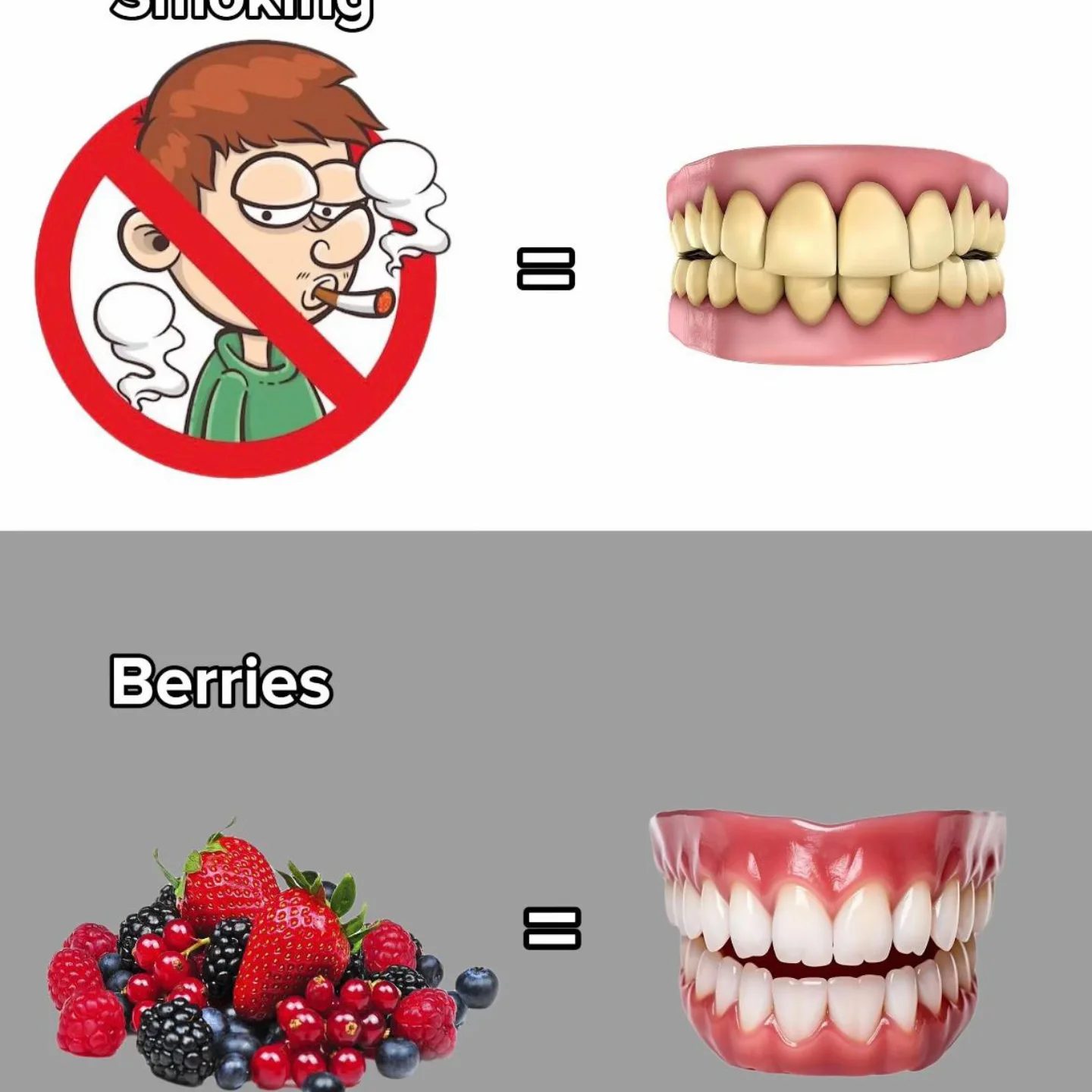
Smoking vs. Berries: Oral Health Showdown
The stark contrast between smoking and consuming berries reveals significant implications for oral health. The comparison highlights the detrimental effects of smoking on teeth and gums versus the benefits of eating berries.
Why This Matters
Oral health is a critical component of overall well-being. Poor oral hygiene and unhealthy habits can lead to a range of issues, including tooth decay, gum disease, and even more severe health problems like heart disease and diabetes. Understanding the impact of habits like smoking and dietary choices can empower individuals to make healthier decisions for their teeth and gums.
The Impact of Smoking on Oral Health
Smoking is widely known to cause numerous health issues, but its impact on oral health is particularly profound. Tobacco use increases the risk of oral cancer, gum disease, tooth loss, and staining of teeth. The chemicals in tobacco can weaken the immune system, making it harder for the body to fight off infections, including those in the mouth. This can lead to chronic gum inflammation and increased susceptibility to infections like periodontal disease.
Smokers are at a higher risk of developing:
- Oral Cancer: Smoking is a significant risk factor for oral cancer, affecting the lips, tongue, cheeks, and throat.
- Gum Disease: Tobacco use interferes with the normal functioning of gum tissue cells, making smokers more prone to gum disease, which can lead to tooth loss.
- Tooth Staining: Tar and nicotine in cigarettes can stain teeth, leading to yellowing and discoloration.
- Tooth Loss: Smokers are more likely to lose teeth due to the combined effects of gum disease and weakened immune response.
The Benefits of Berries for Oral Health
Berries, on the other hand, offer a range of benefits for oral health. Rich in antioxidants, vitamins, and fiber, berries can help maintain healthy teeth and gums. Here are some ways berries contribute to better oral health:
- Antioxidant Power: Berries are packed with antioxidants that help combat inflammation and fight off harmful bacteria in the mouth. This can reduce the risk of gum disease and tooth decay.
- Vitamin C: Many berries, such as strawberries and blueberries, are high in vitamin C, which is essential for gum health. Vitamin C helps prevent scurvy, a condition that can lead to gum disease and tooth loss.
- Fiber: The fiber in berries helps stimulate saliva production, which naturally cleans the teeth and gums by washing away food particles and neutralizing acids.
- Natural Whitening: Some berries, like strawberries, contain natural acids that can help remove surface stains from teeth, contributing to a brighter smile.
Nose Breathing: Improving Facial Structure and Overall Health
Beyond oral health, the role of nose breathing in overall well-being is often overlooked. Nose breathing offers several benefits compared to mouth breathing, particularly in improving facial structure and respiratory health.
Benefits of Nose Breathing:
- Improved Facial Structure: Nose breathing encourages the development of a broader palate and more defined facial features. This is because nose breathing promotes proper jaw development and alignment, which can result in a more balanced and symmetrical face.
- Enhanced Oxygen Absorption: The nose is designed to filter, warm, and humidify the air before it reaches the lungs, making it easier for the body to absorb oxygen efficiently. This can lead to better overall health and increased energy levels.
- Reduced Risk of Sleep Apnea: Nose breathing can also help reduce the risk of sleep apnea and other breathing disorders, leading to better sleep quality and overall well-being.
Hydration and Lip Health
Proper hydration is essential for maintaining overall health, including the health of your lips. Drinking plenty of water can significantly improve lip health. Here’s how:
- Moisturizing: Water helps keep the skin on your lips hydrated, preventing dryness and chapping.
- Promoting Blood Flow: Adequate hydration promotes better blood circulation, ensuring that your lips receive the necessary nutrients and oxygen to stay healthy and supple.
The Effects of Soda on Skin Health
Soda consumption is linked to various health issues, including negative impacts on skin health. Regular intake of sugary drinks like Coca-Cola and Kinley soda can lead to:
- Increased Inflammation: Sugar in sodas can trigger inflammation in the body, affecting the skin and leading to issues like acne and premature aging.
- Dehydration: Sodas often contain caffeine and high sugar content, which can dehydrate the body and skin, leading to a dull complexion and fine lines.
Alternatives to Sugary Drinks
For those looking to improve their skin health and overall well-being, it's better to avoid sugary drinks. Opt for healthier alternatives such as:
- Water: The ultimate hydrator, water helps flush out toxins and keeps the skin plump and radiant.
- Herbal Teas: These are hydrating and contain antioxidants that can benefit the skin.
- Fruit-Infused Water: Adding slices of fruits like berries to water can make it more flavorful and slightly sweet, without the added sugar and calories.
Healthy Diet for Overall Well-being
A healthy diet is fundamental to maintaining overall well-being and improving skin appearance. Incorporating nutrient-rich foods like salad, chicken, and eggs can provide the body with essential vitamins and minerals. Here are some key points to consider:
- Nutrient-Rich Foods: Foods high in vitamins, minerals, and antioxidants, such as fruits, vegetables, lean proteins, and whole grains, support skin health by promoting cell turnover and collagen production.
- Hydration: Drinking plenty of water, as mentioned earlier, is crucial for maintaining healthy skin.
- Avoiding Processed Foods: Limit intake of processed foods and sugars, which can lead to inflammation and skin issues.
Practical Tips for Improving Oral and Overall Health
- Replace Smoking with Healthier Alternatives: Consider quitting smoking and replacing it with healthier habits like eating berries or exercising.
- Practice Nose Breathing: Try to breathe through your nose, especially during sleep and physical activities, to enhance oxygen absorption and improve facial structure.
- Stay Hydrated: Aim to drink at least 3 liters of water daily to keep your body, teeth, and skin hydrated.
- Avoid Sugary Drinks: Limit your intake of sugary drinks like soda to improve skin health and overall well-being.
- Maintain a Healthy Diet: Incorporate nutrient-rich foods into your diet to support your body's overall health and appearance.
Important Takeaways
- Smoking has severe detrimental effects on oral health, including an increased risk of oral cancer, gum disease, and tooth loss.
- Berries offer numerous benefits, including antioxidant power, vitamin C, fiber, and natural whitening properties.
- Nose breathing can improve facial structure, enhance oxygen absorption, and reduce the risk of breathing disorders.
- Proper hydration, particularly drinking 3 liters of water daily, can improve lip health and overall well-being.
- Regular consumption of soda like Coca-Cola and Kinley can negatively impact skin health by causing inflammation and dehydration.
Conclusion
The comparison between smoking and consuming berries underscores the importance of making healthier choices for oral health. By understanding the benefits of berries, the drawbacks of smoking, and the advantages of nose breathing and hydration, individuals can take practical steps to improve their overall well-being. Making these small changes can lead to significant improvements in health, appearance, and quality of life.
Watch the Reel
Questions readers ask
How does smoking affect gum disease and tooth loss?
Smoking significantly increases the risk of gum disease by impairing blood flow to the gums, which hinders the body's ability to fight infection. It also weakens the immune system, making it harder to combat bacteria that cause periodontal disease. Furthermore, smoking can lead to tooth loss by accelerating bone loss and tissue damage in the mouth.
What are the key oral health benefits of berries?
Berries are packed with antioxidants and vitamins that support oral health. They help neutralize harmful free radicals, reduce inflammation, and strengthen the gums. Regular consumption of berries can also contribute to a healthy oral microbiome, promoting overall dental well-being.
Can berries help prevent gum disease?
Yes, berries can aid in preventing gum disease due to their high content of antioxidants and anti-inflammatory properties. These compounds help fight bacterial infections and reduce inflammation in the gums, which are key factors in the development of gum disease.
How does smoking increase the risk of oral cancer?
Smoking introduces numerous carcinogens into the mouth, which can cause genetic mutations in oral cells. These mutations can lead to uncontrolled cell growth and the development of oral cancer. Regular smoking also weakens the body's natural defenses, making it harder to fight off cancerous changes.
What specific vitamins in berries benefit oral health?
Berries are rich in vitamins C and K, which are particularly beneficial for oral health. Vitamin C promotes gum health and collagen production, while vitamin K supports bone health and helps maintain strong teeth. These vitamins work together to strengthen the teeth and gums, reducing the risk of dental problems.
How does smoking impact the teeth and overall oral health?
Smoking can lead to a range of dental problems, including tooth discoloration, bad breath, and a higher risk of oral infections. It also interferes with the body's ability to produce saliva, which is essential for washing away food particles and neutralizing acids in the mouth. This can result in a higher risk of tooth decay and other oral health issues.
What are some common oral health risks associated with smoking?
Smoking is linked to several serious oral health risks, including a higher susceptibility to oral infections, delayed healing after dental procedures, and an increased likelihood of developing oral cancer. Additionally, smoking can lead to chronic bad breath, tooth loss, and severe gum disease, all of which can significantly impact overall oral health.
Recent articles
Fresh deep dives from the latest Reels we unpacked.




Comments
Be the first to comment.