Navigating Nutrient-Dense Choices: A Guide to Selecting High-Quality Foods
When it comes to nutrition, making informed choices at the grocery store can significantly impact your health and fitness goals. Instead of aiming for perfection, focusing on better choices more often can lead to progress. This guide will help you navigate the aisles and select high-quality, nutrient-dense foods that support your lifestyle.
Why This Matters
Marketing tactics can make almost any product appear healthy, but the true story lies in the ingredient list. By understanding what to look for, you can make smarter choices that align with your nutritional needs. This guide covers key categories, including protein pudding, kefir, and peanuts, to help you prioritize quality and nutrition in your daily diet.
Main Discussion
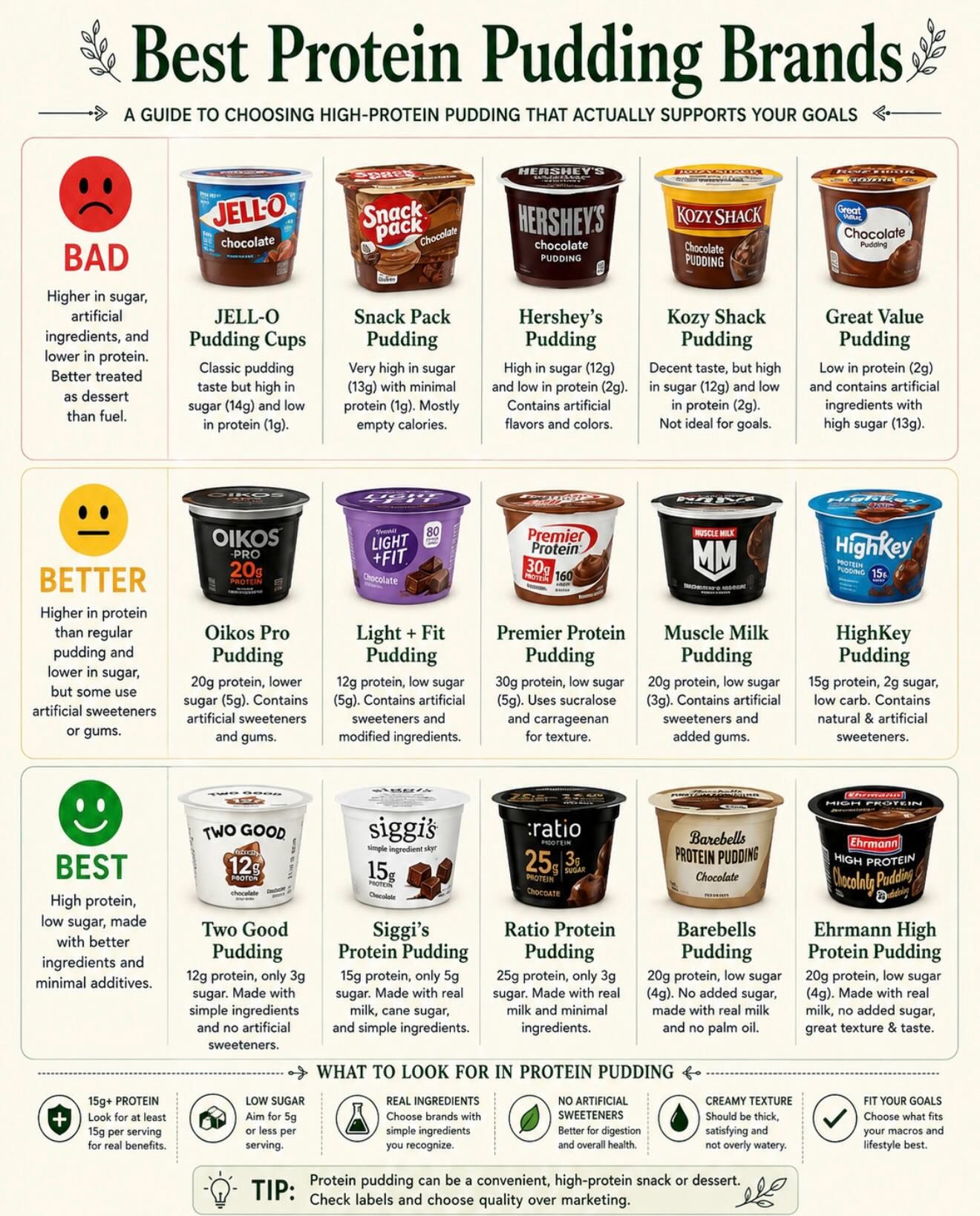
Protein Pudding: Fuel or Dessert?
Protein pudding can be a convenient and tasty way to meet your protein needs. However, not all protein puddings are created equal. When selecting a protein pudding, prioritize options that are high in protein, low in sugar, and minimal in additives. Look for products with a high protein-to-sugar ratio, as these will support your fitness goals more effectively. Brands like Hershey's, for instance, may have high sugar content (12g) and low protein levels (2g), making them less ideal for nutritional goals. Instead, opt for options that are labeled as high-protein and have fewer artificial ingredients.
Kefir: A Powerhouse for Gut Health
Kefir is a fermented dairy product that offers numerous health benefits, particularly for gut health. When choosing kefir, focus on plain varieties with live cultures and minimal added sugar. Lifeway is a popular choice, with its organic variety featuring 12g of protein and 4g of sugar, along with 49 organic cultures and 15 live and active cultures. These cultures support a healthy gut microbiome, which is essential for overall health and nutrition. Avoid brands that are high in added sugar and low in protein, as these may not provide the same nutritional benefits.
Peanuts: A Nutritious and Delicious Snack
Peanuts are a versatile and nutritious snack option, but not all peanut brands are equal. Opt for unsalted, dry-roasted peanuts that are organic and have simple ingredients. Kirkland Signature unsalted dry-roasted peanuts, for example, are a great choice as they are unsalted, dry-roasted, organic, and packed with natural flavors, nutrients, and freshness. Brands that heavily salt or fry their peanuts in unhealthy oils should be avoided, as these methods can diminish the nutritional value and flavor of the peanuts.
Practical Tips
- Read Labels: Spend 30 seconds reading the ingredient list and nutrition facts. This can dramatically improve your nutrition quality.
- Prioritize Whole Foods: Focus on whole foods that are minimally processed and have simple, recognizable ingredients.
- Check Protein-to-Sugar Ratio: For products like protein pudding, ensure the protein content is high relative to the sugar content.
- Choose Live Cultures: For kefir and other fermented foods, opt for brands that contain live and active cultures.
- Avoid Added Sugars: Look for products with minimal added sugars, as these can negatively impact your health goals.
Important Takeaways
- Better Choices Lead to Progress: Making better choices consistently can lead to significant progress in your health and fitness goals.
- Ingredient List Matters: The ingredient list tells the real story about a product's nutritional value. Focus on whole foods with simple, recognizable ingredients.
- Prioritize Quality Over Quantity: Opt for high-quality, nutrient-dense foods that support your overall health and fitness goals.
- Daily Swaps Add Up: Small, repeated swaps can create massive long-term results. Choose better options consistently to see significant improvements in your nutrition.
Conclusion
Navigating the grocery store doesn't have to be complicated. By prioritizing quality, reading labels, and understanding the nutritional value of different products, you can make better choices that support your health and fitness goals. Remember, overall eating patterns matter more than individual products, so focus on making consistent, informed decisions. With the right knowledge and tools, such as the Workit app, you can simplify your nutrition journey and create sustainable, healthy habits.
Watch the Reel
Questions readers ask
What are nutrient-dense foods and why are they important?
Nutrient-dense foods are those that provide a high amount of vitamins, minerals, and other beneficial nutrients relative to their calorie content. They are important because they help you meet your nutritional needs more efficiently, supporting overall health and fitness goals.
How can I spot high-quality foods in the grocery store?
Look for whole, minimally processed foods with a short ingredient list. Prioritize items with recognizable ingredients and avoid those with added sugars, artificial sweeteners, and unhealthy fats. The quality of ingredients is key for better nutrition.
What are some of the best protein sources for a nutritious diet?
High-quality protein sources include lean meats, poultry, fish, eggs, beans, lentils, and certain dairy products. For plant-based options, consider tofu, tempeh, and protein powders from reputable brands. For protein pudding, choose options with minimal added sugars and quality ingredients.
How do I choose a nutritious kefir brand?
When selecting kefir, opt for brands with live and active cultures, minimal added sugars, and a short ingredient list. High-quality kefir should be rich in probiotics and provide a good source of calcium and protein. Look for brands that prioritize natural ingredients and avoid artificial additives.
What are some tips for reducing sugar intake while maintaining good nutrition?
Focus on whole foods and limit processed items. Opt for naturally sweet foods like fruits and vegetables. When choosing dairy products, select those with no added sugars. For beverages, choose water, unsweetened tea, or black coffee over sugary drinks.
Are there any benefits to choosing good quality brands?
Good quality brands often invest in better sourcing, production, and quality control. This can result in products with higher nutrient content, fewer artificial additives, and better overall taste. It's worth comparing brands to ensure you're getting the best nutrition for your needs.
What are some high-quality kefir options for those with dietary restrictions?
For those with lactose intolerance, consider lactose-free kefir or plant-based options like coconut or almond kefir. For vegan diets, plant-based kefirs can provide a good source of probiotics. Always check labels to ensure the product aligns with your specific dietary needs and preferences.
Recent articles
Fresh deep dives from the latest Reels we unpacked.




Comments
Be the first to comment.