Healthy Grocery Shopping
Eating with intention means making smart, balanced food choices when shopping. Healthy grocery shopping is not about strict diets or perfection. It’s about selecting nutritious foods that support your daily activities, especially if you are physically active.
Why This Matters
Healthy grocery shopping is crucial for maintaining a balanced diet and supporting an active lifestyle. It ensures that you have the right nutrients to fuel your workouts, recover effectively, and maintain overall health. By choosing the right foods, you can avoid burnout and see consistent results over time.
Main Discussion
The Shopping Cart: A Balanced Mix
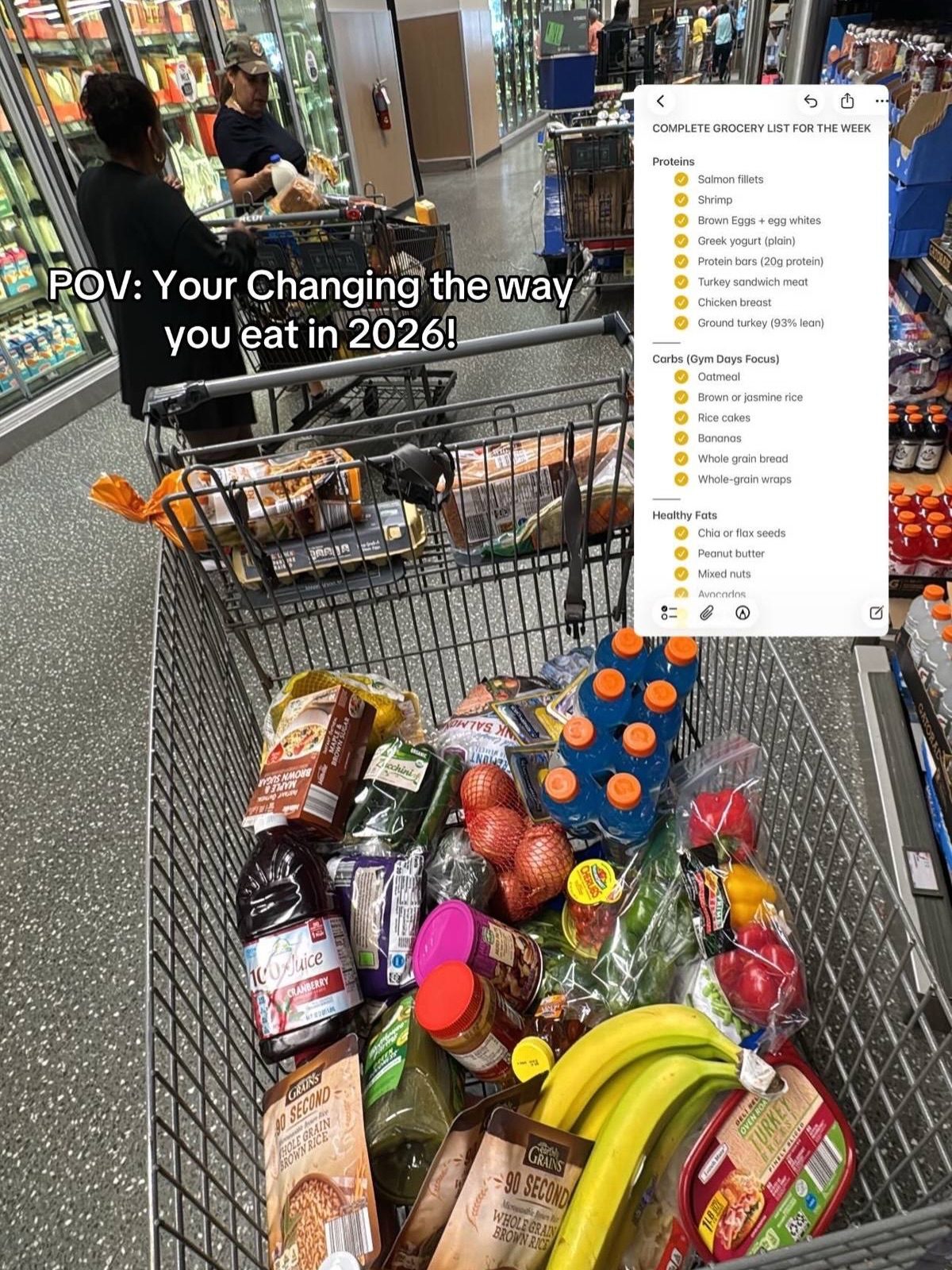
A full shopping cart filled with healthy groceries is a clear indication of a well-planned diet. The key is to focus on balanced grocery runs that include proteins, carbohydrates, healthy fats, and fiber-rich vegetables.
Protein Sources
Proteins are essential for building and recovering muscle tissue. Opt for lean protein sources such as turkey breast, salmon fillets, shrimp, eggs, Greek yogurt, and protein bars. These foods provide the necessary amino acids to repair and build muscle after workouts.
- Turkey Breast: Lean and versatile, turkey breast is great for sandwiches, salads, and stir-fries.
- Salmon Fillets: Rich in omega-3 fatty acids, salmon is excellent for heart health and reducing inflammation.
- Shrimp: Low in calories and high in protein, shrimp is a great addition to seafood dishes.
- Eggs: A complete protein source, eggs are versatile and can be prepared in many ways.
- Greek Yogurt: High in protein and probiotics, Greek yogurt supports digestive health and muscle recovery.
- Protein Bars: Convenient for on-the-go snacking, choose bars with at least 20 grams of protein.
Carbohydrates for Energy
Carbohydrates provide the energy needed for intense workouts. Opt for whole-grain options like oatmeal, brown or jasmine rice, rice cakes, and bananas. These complex carbohydrates release energy slowly, keeping you fueled throughout the day.
- Oatmeal: High in fiber, oatmeal is great for breakfast and can be topped with fruits and nuts for added nutrients.
- Brown or Jasmine Rice: These whole-grain options provide sustained energy and are versatile in various dishes.
- Rice Cakes: A low-calorie option, rice cakes can be topped with nut butters or avocado for added healthy fats.
- Bananas: Rich in potassium and easy to carry, bananas are a convenient pre-workout snack.
Healthy Fats for Satiety
Healthy fats are crucial for hormone regulation and feelings of satiety. Include foods like chia seeds, flax seeds, peanut butter, and mixed nuts in your diet. These fats help keep you full and satisfied, reducing the urge to overeat.
- Chia or Flax Seeds: High in omega-3 fatty acids, these seeds can be added to smoothies, oatmeal, or baked goods.
- Peanut Butter: Rich in protein and healthy fats, peanut butter is a great addition to smoothies or spread on whole-grain bread.
- Mixed Nuts: A combination of nuts provides a variety of healthy fats, protein, and fiber.
Whole-Grain Options
Whole-grain options are a staple in a balanced diet. They provide essential nutrients and fiber, which help in maintaining a healthy digestive system. Incorporate whole-grain bread, wraps, and brown rice into your meals for a nutrient-dense diet.
- Whole-Grain Bread: A healthier alternative to white bread, whole-grain bread is high in fiber and nutrients.
- Whole-Grain Wraps: Versatile and convenient, these wraps can be used for sandwiches, tacos, or wraps.
- Whole-Grain Brown Rice: A healthier option than white rice, brown rice provides more fiber and nutrients.
Practical Tips
Plan Your Grocery List
Before heading to the store, plan your grocery list based on your nutritional needs. Include a variety of proteins, carbohydrates, and healthy fats to ensure a balanced diet. This approach helps in making smart choices and avoiding impulse buys.
Stick to the Perimeter
Most healthy foods are located on the perimeter of the grocery store. This includes fresh produce, lean proteins, and dairy products. Spend less time in the center aisles, where processed foods are usually found.
Read Labels
Pay attention to nutrition labels. Look for products with minimal ingredients and avoid those high in added sugars, sodium, and unhealthy fats. Opt for whole foods that are minimally processed.
Choose Fresh Over Processed
Whenever possible, choose fresh, whole foods over processed ones. Fresh fruits and vegetables, lean proteins, and whole grains provide more nutrients and are better for overall health.
Important Takeaways
Balance is Key
A balanced diet is essential for maintaining a healthy lifestyle. Include a variety of nutrient-dense foods to support your daily activities and workout routines.
Consistency Pays Off
Consistency is crucial for seeing results. Small, daily decisions to eat healthier and stay active add up over time, leading to better health and fitness outcomes.
Smart Choices, Easy to Maintain
Smart choices in grocery shopping ensure that you have the right nutrients to fuel your workouts and maintain overall health. These choices are easy to maintain and do not require extreme diets or restrictions.
Conclusion
Changing the way you eat starts with intentional, balanced grocery shopping. By focusing on proteins, carbohydrates, healthy fats, and whole-grain options, you can fuel your workouts, recover effectively, and maintain overall health. Small, daily decisions to eat smarter and stay consistent will lead to better fitness results and a healthier lifestyle.
Watch the Reel
Questions readers ask
What are some essential protein-rich foods to include in my grocery list for muscle recovery?
Proteins are crucial for repairing and building muscles. Include a variety of protein-rich foods like lean meats (chicken, turkey), fish (salmon, tuna), eggs, beans, lentils, tofu, and low-fat dairy products. These foods help in muscle recovery and maintaining overall strength.
How can I incorporate healthy carbohydrates for energy into my meal planning?
To maintain energy levels, focus on whole grain foods such as brown rice, quinoa, whole-wheat bread, and oats. These are excellent choices for healthy carbs and can be paired with proteins and healthy fats for a balanced diet. Ensure you avoid refined carbohydrates to maintain energy levels throughout the day.
Which fiber-rich vegetables should I prioritize in my grocery shopping?
Vegetables high in fiber are essential for digestion and overall health. Prioritize leafy greens like spinach and kale, cruciferous vegetables such as broccoli and cauliflower, and other fiber-rich options like bell peppers, carrots, and sweet potatoes. These will support a well-rounded diet.
What are some healthy fat options that support a balanced diet?
Healthy fats are vital for nutrient absorption and brain function. Opt for avocados, nuts (almonds, walnuts), seeds (chia, flax), and olive oil. These foods provide essential nutrients and can be easily incorporated into various meals for balanced nutrition.
How can I plan my meals to ensure I have the right nutrients for an active lifestyle?
Meal prepping can help ensure you have the right nutrients for daily activities. Plan your meals to include a mix of proteins, healthy carbohydrates, and vegetables. Prep meals in advance to save time and maintain a balanced diet throughout the week, especially if you are physically active.
Recent articles
Fresh deep dives from the latest Reels we unpacked.




Comments
Be the first to comment.