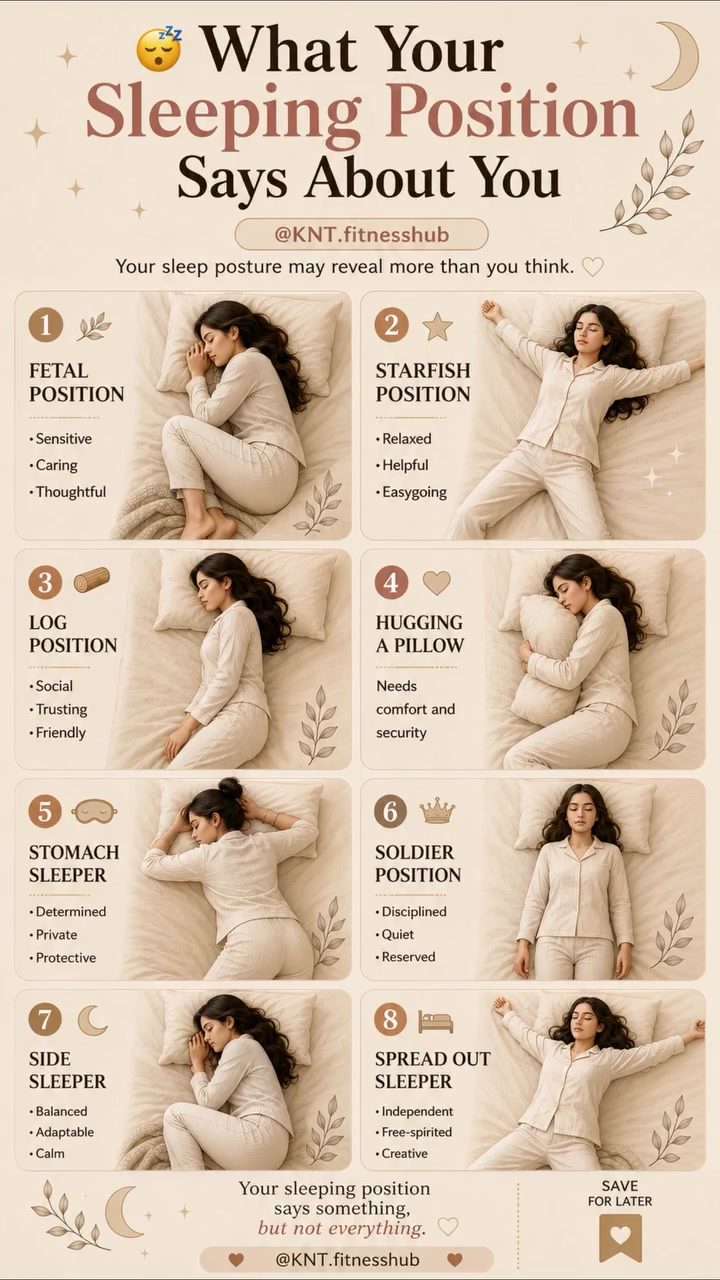
Sleeping Positions and Personality
Sleeping positions can reveal more about an individual's personality than one might initially think. Whether you prefer to curl up tightly, spread out, or lie on your back, your preferred sleeping posture might offer insights into your character traits. Understanding these connections can provide a new perspective on personal habits and behaviors.
Why This Matters
The way you sleep is deeply rooted in your daily habits, emotions, and even past experiences. By examining your sleeping position, you can gain a better understanding of your personality traits and how they influence your life. This knowledge can help in personal growth and self-awareness, as well as in understanding the behaviors and needs of those around you.
Main Discussion
The Fetal Position
People who sleep in the fetal position tend to be sensitive, caring, and thoughtful. This position is often associated with a need for comfort and security. Those who sleep in this position are likely to be nurturing and empathetic, making them great friends and partners. They may also have a tendency to be introspective and self-reflective, often appreciating quiet moments alone to recharge.
The Starfish Position
Sleeping in the starfish position indicates a relaxed, helpful, and easygoing personality. Individuals who sleep this way are often open and friendly, making them great conversationalists. They are also likely to be generous with their time and energy, always ready to lend a helping hand. This position can also suggest a need for personal space, as the arms and legs are spread out, creating a boundary around the sleeper.
The Log Position
Those who sleep in the log position are typically social, trusting, and friendly. This posture is characterized by lying on one's side with both arms down by the side. People who sleep in this position are often outgoing and enjoy social interactions. They are likely to be team players, valuing cooperation and harmony in their relationships. This position can also indicate a need for stability and security, as the body is aligned in a straight, unyielding line.
Hugging a Pillow
Sleeping while hugging a pillow suggests a need for comfort and security. Individuals who sleep this way may be more emotional and in need of reassurance and comfort. Hugging a pillow can also indicate a desire for physical touch and affection, making these individuals nurturing and supportive partners. This position can also suggest a need for emotional healing or a sense of protection.
Stomach Sleepers
Stomach sleepers are often determined, private, and protective. This position can indicate a strong sense of perseverance and a drive to achieve goals. Those who sleep on their stomachs may be cautious and prefer to keep their emotions guarded. They are often more reserved and may take time to open up to others, but once they do, they are loyal and trustworthy.
The Soldier Position
Sleeping in the soldier position, which involves lying on your back with your arms at your sides, is associated with discipline, quiet, and reserved personalities. Individuals who sleep this way are often organized, methodical, and focused. They may also have a strong sense of duty and responsibility, making them reliable and dependable. This position can also suggest a need for control and structure, as the body is aligned in a rigid, disciplined pose.
Side Sleepers
Side sleepers are generally balanced, adaptable, and calm. This position is versatile and can be associated with a variety of personality traits, including empathy, creativity, and a deep sense of self-awareness. People who sleep on their sides are often good listeners and empathetic, making them great friends and partners. They may also have a need for emotional connection and are likely to be open and approachable.
Spread Out Sleepers
Spread out sleepers are typically independent, free-spirited, and creative. This position, which involves lying in a relaxed, unstructured pose, indicates a personality that values freedom and spontaneity. Individuals who sleep this way are often adventurous and enjoy exploring new ideas and experiences. They are likely to be open-minded and non-judgmental, making them great friends and collaborators.
Practical Tips
Reflect on Your Sleeping Position
Take a moment to reflect on your current sleeping position and consider how it might align with your personality traits. This self-reflection can help you understand your strengths and weaknesses, as well as areas where you might need to grow or adapt.
Experiment with Different Positions
Try switching up your sleeping position to see if it influences your mood or behavior. While this may not lead to dramatic changes in your personality, it can offer insights into how different positions affect your well-being.
Understand Others
Pay attention to the sleeping positions of those around you. Understanding the personality traits associated with different positions can help you build stronger relationships and foster empathy. This knowledge can also be useful in professional settings, where understanding team dynamics is crucial.
Create a Comfortable Sleep Environment
Regardless of your preferred sleeping position, creating a comfortable and supportive sleep environment is essential. Invest in a good mattress, pillows, and bedding to ensure a restful night's sleep. This can help you feel more relaxed and at ease, allowing your body to naturally gravitate toward the most comfortable and beneficial sleeping position.
Important Takeaways
Understanding the connection between sleeping positions and personality traits can offer valuable insights into personal habits and behaviors. By recognizing the traits associated with your preferred sleeping position, you can gain a deeper understanding of yourself, and others' personalities. This knowledge can help you build stronger relationships, enhance personal growth, and foster empathy.
Conclusion
Your sleeping position is more than just a physical habit; it reflects deeper aspects of your personality and well-being. By paying attention to your preferred sleeping posture and understanding its associated traits, you can gain valuable insights into your behavior and emotions. Whether you curl up in the fetal position, spread out like a starfish, or lie on your back, your sleeping position can reveal important aspects of who you are.
Watch the Reel
Questions readers ask
What are the most common sleeping positions and what do they indicate about personality?
The most common sleeping positions include the fetal position, the starfish, and the log. The fetal position, for example, may indicate a person who is empathetic and nurturing, while a starfish sleeper might be more open and trusting. The log position could suggest a person who is disciplined and organized. It is important to note that these are generalizations, and individual personalities can vary.
Can sleeping positions change over time and what does this signify?
Yes, sleeping positions can change over time, often reflecting changes in a person's life or emotional state. For instance, someone who has gone through a significant life event may find that their preferred sleeping position shifts. If you find yourself changing your position, it might be a sign of personal growth or a need for adjustment.
What are the benefits of understanding your sleeping position in relation to your personality?
Understanding your sleeping position in relation to your personality can provide insights into your daily habits and emotional states. This self-awareness can be useful for personal growth, helping you identify patterns in your behavior and how you interact with others. It can also foster empathy by offering a new perspective on the behaviors and needs of those around you.
Are certain sleeping positions better for specific health conditions?
While the article does not specifically address health conditions, some sleeping positions are generally considered better for overall health. For example, sleeping on your side can help reduce snoring and acid reflux, while sleeping on your back can help with neck and back pain. However, it's always best to consult a healthcare professional for advice tailored to your specific health needs.
How does your sleep posture personality affect your daily habits and behaviors?
Your sleep posture can be a reflection of your daily habits and behaviors. For instance, a person who sleeps in a curled-up position might be more introverted and reserved, preferring to spend quiet time alone. In contrast, someone who sleeps in a spread-eagle position might be more outgoing and open, enjoying social interactions. These traits can influence how you approach tasks, interact with others, and make decisions throughout the day.
What is the neutral sleep position and what does it suggest about a person's character?
The neutral sleep position, also known as the soldier position, involves lying flat on your back with arms at your sides. This position is often associated with traits such as self-control, high self-esteem, and a desire to maintain control over one's environment. However, it can also suggest a tendency to be inflexible or resistant to change.
Can the way you sleep reflect past experiences or emotional states?
Yes, the way you sleep can be deeply influenced by past experiences and emotional states. For example, someone who has experienced trauma may find comfort in a curled-up position, while someone feeling anxious might prefer a more open, spread-eagle position. Paying attention to changes in your sleeping position can provide clues about your emotional well-being and any unresolved issues that may need attention.
Related deep dives
Similar reads based on topic and creator.




Recent articles
Fresh deep dives from the latest Reels we unpacked.




Comments
Be the first to comment.