Sleep Posture and Its Impact on the Body
Sleep is a vital aspect of our daily lives, and the position we sleep in can significantly affect our overall well-being. Proper sleep posture is crucial for maintaining the health of our spine, joints, and muscles. Understanding the impact of different sleep positions can help alleviate discomfort and improve sleep quality.
Why This Matters
The alignment of your spine, joints, and muscles during sleep can influence your overall physical health. The way you position your body while sleeping can either support or strain these critical areas. Misalignment and improper support can lead to stiffness, discomfort, and even chronic pain over time. By choosing the right sleep position and using supportive aids like pillows, you can mitigate these issues and enjoy better sleep.
Main Discussion
The Importance of Sleep Position
Sleep position plays a pivotal role in maintaining a neutral alignment of the spine, hips, and pelvis. When your body is properly aligned, the pressure is evenly distributed, reducing the risk of strain and discomfort. Different sleep positions affect the body in distinct ways, and understanding these differences can help you choose the best position for your needs.
Side Sleeping with a Pillow Between the Knees
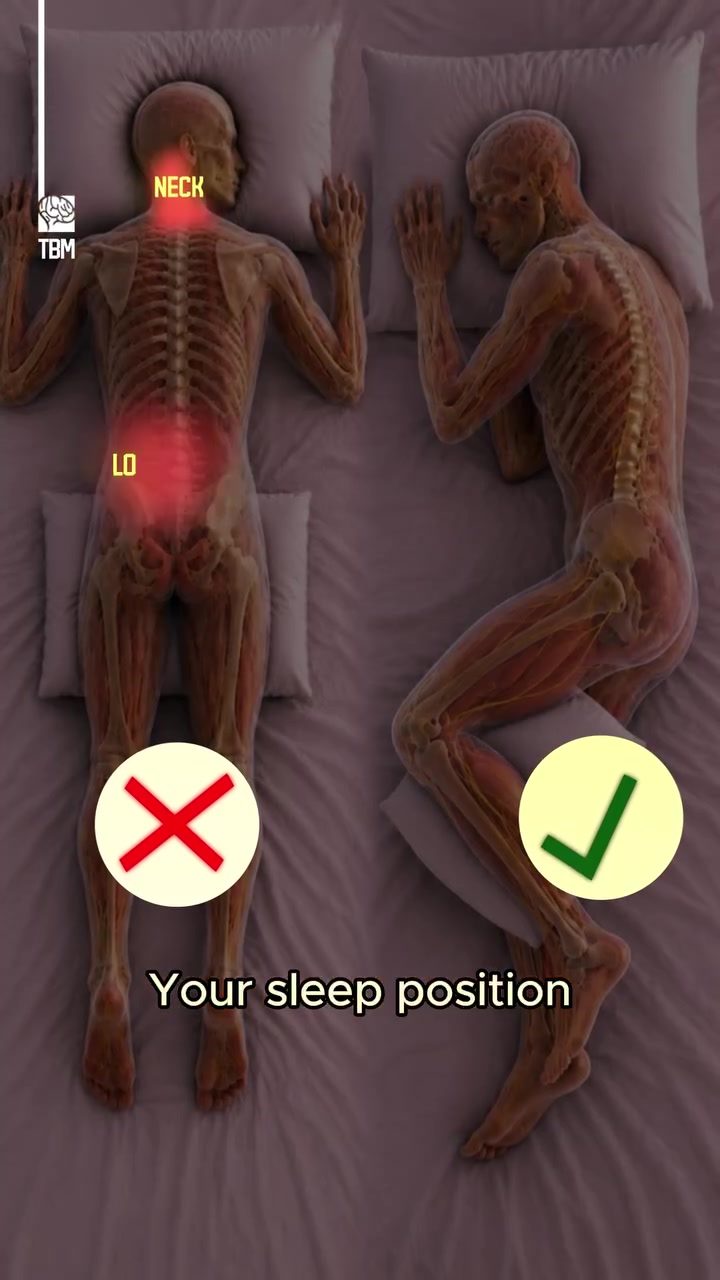
One of the most beneficial sleep positions is lying on your side with a pillow placed between your knees. This position helps maintain a more neutral alignment of your hips, pelvis, and spine. The pillow prevents your top leg from dropping forward, which can cause twisting in the lower back and uneven pressure distribution. By keeping your knees slightly bent and supported, you reduce the strain on your lower back and allow your spinal discs to remain comfortably supported. This position also helps your muscles relax throughout the night, promoting better sleep quality.
The Challenges of Stomach Sleeping
Stomach sleeping presents unique challenges for spinal health. To breathe comfortably, your head must stay turned to one side for extended periods, placing your neck in a prolonged, rotated position. This can cause strain on the neck muscles and ligaments. Additionally, your pelvis tends to sink into the mattress, increasing the natural arch of the lower back. This combination of factors can place extra stress on the joints, muscles, and ligaments of the neck and spine, potentially leading to stiffness and discomfort over time.
Practical Tips
Choosing the right sleep position is just the first step. Here are some practical tips to enhance your sleep posture and overall comfort:
Use Supportive Pillows
Invest in supportive pillows that can help maintain proper alignment. For side sleepers, a pillow between the knees can make a significant difference. For back sleepers, a pillow under the knees can help reduce the strain on the lower back. Stomach sleepers might benefit from a thin, supportive pillow to keep the head and neck in a neutral position.
Choose the Right Mattress
A comfortable and supportive mattress is essential for good sleep posture. Consider a mattress that provides adequate support for your spine and joints. Memory foam or latex mattresses are often recommended for their ability to conform to the body's natural curves.
Practice Good Sleep Hygiene
Maintaining good sleep hygiene can improve the quality of your sleep and overall health. This includes establishing a consistent sleep schedule, creating a relaxing bedtime routine, and ensuring your sleep environment is comfortable and conducive to restful sleep.
Engage in Regular Exercise
Regular physical activity can help strengthen your muscles and improve flexibility, making it easier to maintain good sleep posture. Incorporate exercises that target your core, back, and neck to support better alignment during sleep.
Important Takeaways
- Sleep Position Matters: Your sleep position significantly impacts your spine, joints, and muscles. Choosing the right position can help maintain proper alignment and reduce the risk of discomfort and pain.
- Side Sleeping Benefits: Sleeping on your side with a pillow between your knees can keep your hips, pelvis, and spine in a neutral alignment, reducing strain and promoting better sleep.
- Avoid Stomach Sleeping: Stomach sleeping can place extra stress on your neck and lower back, potentially leading to chronic discomfort. If you must sleep on your stomach, use a thin pillow to support your neck.
- Use Supportive Aids: Pillows, mattresses, and other supportive aids can enhance your sleep posture and overall comfort.
Conclusion
Sleep posture is a critical factor in maintaining overall health and well-being. By understanding the impact of different sleep positions and taking practical steps to improve your sleep posture, you can enjoy better sleep and reduce the risk of discomfort and pain. Invest in supportive aids, practice good sleep hygiene, and engage in regular exercise to support your body's natural alignment and promote restful sleep.
Watch the Reel
Questions readers ask
What are the best sleep positions for maintaining spine health?
The best sleep positions for spine health are sleeping on your side with a pillow between your knees, or sleeping on your back with a pillow under your knees. These positions help maintain the natural curvature of your spine and reduce strain on your back muscles.
How can side sleeping benefit your overall muscle health?
Side sleeping can benefit your overall muscle health by promoting better spinal alignment and reducing pressure on the spine. It also helps to prevent muscle strain in the back and hips. Using a supportive pillow between your knees can further enhance these benefits by keeping your hips and spine aligned.
What is the best pillow for back sleepers to support proper alignment?
Back sleepers should use a pillow that supports the natural curve of their neck and keeps their spine aligned. A memory foam or latex pillow with medium support is often recommended. Additionally, placing a small pillow under your knees can help maintain the natural curve of your lower back.
How can I sleep better with lower back pain?
To sleep better with lower back pain, try sleeping on your side with a pillow between your knees or on your back with a pillow under your knees. These positions can help reduce strain on your lower back. Additionally, using a supportive mattress and maintaining good sleep posture can alleviate discomfort and promote better sleep.
How can I prevent muscle strain while sleeping?
To prevent muscle strain while sleeping, choose a sleep position that supports your spine and muscles. Sleeping on your side or back with proper pillow support can help reduce strain on your neck, shoulders, and back. You should also consider using a supportive mattress and maintaining a consistent sleep schedule to promote better sleep posture.
What are the tips for side sleeping to enhance benefits for spine and muscles?
To enhance the benefits of side sleeping for your spine and muscles, use a supportive pillow between your knees to keep your hips and spine aligned. Additionally, use a supportive pillow that keeps your head and neck in a neutral position. You should also consider using a mattress that provides good support for your hips and shoulders.
Related deep dives
Similar reads based on topic and creator.

Recent articles
Fresh deep dives from the latest Reels we unpacked.




Comments
Be the first to comment.