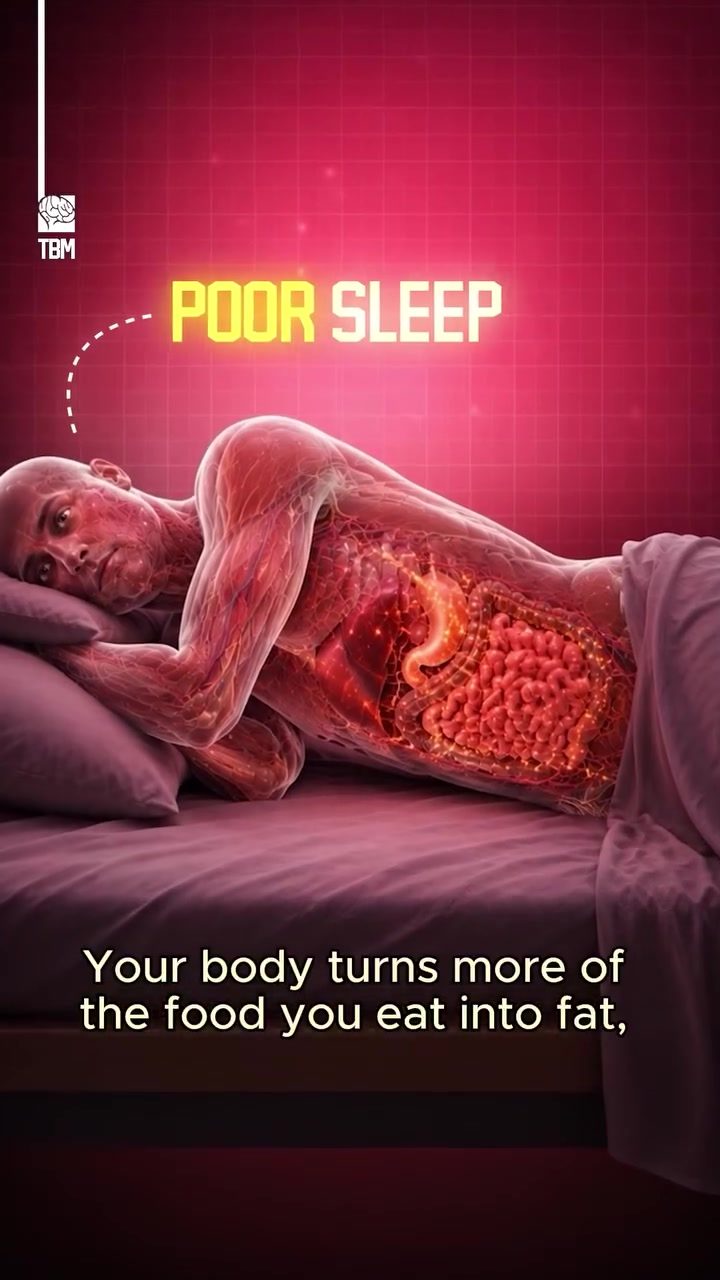
Lack of Sleep and Its Impact on Fat Storage
Sleep deprivation can significantly affect your body's metabolism and fat storage. It's not just about feeling tired the next day; lack of sleep can make your diet less effective and alter how your body stores fat. Research published in the Annals of Internal Medicine highlights these impacts, providing a deeper understanding of why sleep is crucial for maintaining a healthy weight and overall metabolism.
Why This Matters
In today's fast-paced world, many people prioritize work and social activities over adequate sleep. However, the consequences of chronic sleep deprivation extend beyond fatigue and irritability. When you don't get enough sleep, your body becomes less efficient at processing the food you eat, leading to increased fat storage and reduced muscle repair. This can undermine your efforts to lose weight and maintain a healthy body composition, even if you follow a strict diet and exercise regularly.
Main Discussion
How Sleep Affects Fat Storage
When you don't get enough sleep, your body turns more of the food you eat into fat. A study published in the Annals of Internal Medicine found that people sleeping only 5.5 hours lost 55% less fat and 60% more muscle than those sleeping 8.5 hours, despite following identical diets. This means that insufficient sleep can significantly reduce the effectiveness of your diet and exercise efforts, making it harder to achieve your weight loss goals.
The Role of Hormones
Sleep deprivation disrupts key hormones that regulate hunger, cravings, and energy storage. Two critical hormones affected by lack of sleep are ghrelin and leptin. Ghrelin is often referred to as the "hunger hormone" because it signals your body to eat more. Leptin, on the other hand, is the "satiety hormone" that tells your body it has had enough to eat. When you don't get enough sleep, ghrelin levels increase, while leptin levels decrease, leading to increased hunger and cravings, even when your body has enough calories. This hormonal imbalance can make it challenging to stick to a healthy diet and maintain a balanced calorie intake.
Additionally, cortisol, the stress hormone, rises with sleep deprivation. Elevated cortisol levels signal your body to conserve energy and hold onto fat, making it harder to lose weight. At the same time, insulin sensitivity decreases, making it more difficult for your body to use glucose efficiently. With reduced insulin sensitivity, more energy is directed toward fat storage instead of muscle repair, further exacerbating the problem.
Timing Your Meals
Eating a large meal close to bedtime can also delay sleep because digestion keeps your body active. It is generally better to finish your main meal two to three hours before going to bed. This allows your body enough time to digest the food and transition into a restful state, improving the quality of your sleep and reducing the impact on your metabolism.
Practical Tips
To mitigate the effects of poor sleep on your metabolism and fat storage, consider the following practical tips:
Prioritize Sleep Hygiene
Create a consistent sleep schedule by going to bed and waking up at the same time every day, even on weekends. This helps regulate your body's internal clock and promotes better sleep quality.
Create a Relaxing Bedtime Routine
Establish a calming bedtime routine that may include activities such as reading, taking a warm bath, or practicing relaxation exercises like deep breathing or meditation. Avoid stimulating activities, such as using electronic devices or engaging in intense conversations, before bedtime.
Optimize Your Sleep Environment
Ensure your sleep environment is conducive to good sleep. This includes keeping your bedroom cool, dark, and quiet. Invest in comfortable bedding and consider using earplugs, an eye mask, or a white noise machine if needed.
Watch Your Diet and Exercise
While prioritizing sleep is crucial, combining it with a balanced diet and regular exercise can further enhance your weight loss efforts. Focus on consuming nutrient-rich foods and engaging in physical activities that you enjoy, as this will make it easier to stick to a healthy lifestyle.
Monitor Your Progress
Keep track of your sleep patterns, diet, and exercise routine to identify any areas that need improvement. Use a sleep diary or a fitness tracker to monitor your progress and make adjustments as needed.
Important Takeaways
Sleep deprivation can significantly impact your body's ability to process food and store fat, making it harder to achieve your weight loss goals and maintain a healthy body composition. Prioritizing good sleep hygiene, creating a relaxing bedtime routine, and optimizing your sleep environment can help mitigate these effects. Additionally, combining adequate sleep with a balanced diet and regular exercise can further enhance your weight loss efforts and improve your overall health.
Conclusion
Understanding the relationship between sleep, metabolism, and fat storage is essential for maintaining a healthy weight and overall well-being. By prioritizing good sleep habits and making conscious choices about your diet and exercise routine, you can effectively manage your metabolism and achieve your health goals.
Watch the Reel
Questions readers ask
How does sleep deprivation impact my body's metabolism?
Sleep deprivation can slow down your metabolism, making it harder for your body to process the food you eat. This can lead to increased fat storage, even if you maintain a strict diet. The hormones that regulate metabolism, such as insulin and cortisol, are negatively impacted by a lack of sleep, further exacerbating this problem.
Can lack of sleep make my diet less effective?
Yes, lack of sleep can reduce the effectiveness of your diet. When you're sleep-deprived, your body may not respond as well to the foods you eat, leading to increased fat storage. This is because sleep deprivation can alter your hormone balance, affecting how your body metabolizes food.
How does sleep affect muscle repair and weight management?
Adequate sleep is essential for muscle repair and recovery, which in turn supports healthy weight management. When you don’t get enough sleep, your body may not repair muscles efficiently, leading to increased fat storage and reduced muscle mass. This can make it more challenging to maintain or lose weight, even with a dedicated exercise routine.
What is the ideal number of hours of sleep to maintain a healthy weight?
Most adults need 7-9 hours of sleep per night to maintain a healthy weight and overall well-being. Research has shown that people who consistently get less than this amount are more likely to experience weight gain. Prioritizing good sleep hygiene can help you achieve these recommended hours of sleep and support your weight management goals.
How does sleep deprivation affect insulin sensitivity?
Sleep deprivation can decrease insulin sensitivity, making it harder for your body to regulate blood sugar levels. This can lead to increased fat storage, particularly around the midsection. Maintaining good sleep habits can help improve insulin sensitivity, supporting better blood sugar control and overall metabolic health.
What are some tips for improving sleep to support weight management?
To improve sleep and support weight management, establish a consistent sleep schedule, create a relaxing bedtime routine, and ensure your sleep environment is comfortable and conducive to rest. Avoid stimulants like caffeine and electronics before bed, and consider using relaxation techniques, such as deep breathing or meditation, to help you fall asleep faster and enjoy better quality sleep.
Recent articles
Fresh deep dives from the latest Reels we unpacked.




Comments
Be the first to comment.