The Layers Between Skin and Stomach: Understanding the Body's Protective Barriers
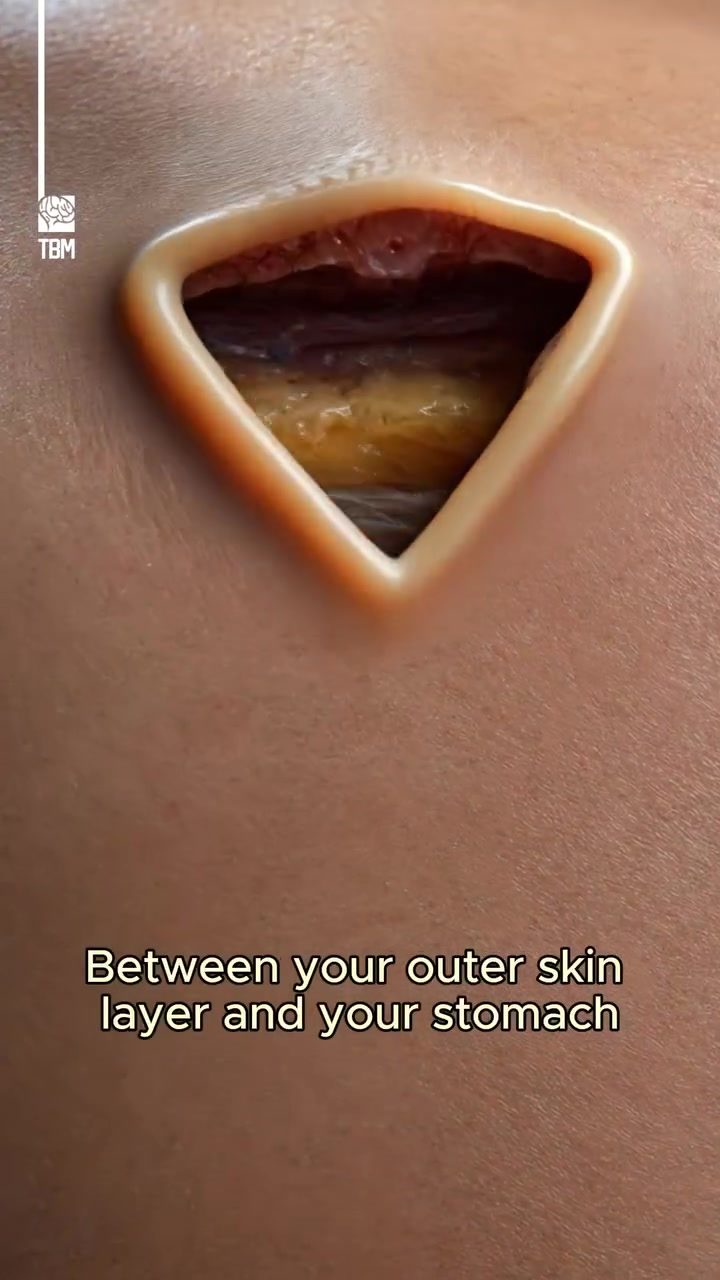
Everyone's body is a marvel of complexity and intricacy, with numerous layers of tissue between the outer skin and the stomach. These layers serve crucial functions in protecting and supporting the body. Let's delve into the detailed structure that separates the skin from the stomach, exploring why the body builds these barriers.
Context / Why This Matters
Understanding the layers between the skin and the stomach provides insight into how the body protects itself and maintains its internal environment. Each layer serves a unique function, from cushioning and supporting movements to maintaining the health of internal organs. This knowledge helps appreciate the body's remarkable design and the interconnectedness of its various systems.
Main Discussion
The Outer Layers
The Epidermis and Dermis
The journey from the outer skin to the stomach begins with the epidermis, the thin, protective outer shield of the skin. This layer acts as the body's first line of defense, shielding against external threats like bacteria, UV radiation, and physical injuries. Beneath the epidermis lies the dermis, a thicker layer rich with blood vessels, nerves, and connective fibers. The dermis provides structural support, helps regulate body temperature, and aids in sensation and wound healing.
Subcutaneous Fat
Below the dermis is the subcutaneous fat layer, which cushions the body and stores energy. This fat layer acts as a shock absorber, protecting deeper tissues from injury, and serving as an energy reserve for when the body needs fuel.
Deeper Layers
Fascia and Abdominal Muscles
As we go deeper, we encounter fascia and abdominal muscles. Fascia is a strong, fibrous connective tissue that envelops muscles, organs, and other structures, providing support and stability. The abdominal muscles work in concert with the fascia to support movement, maintain posture, and manage pressure within the abdomen. These layers help to protect the vital organs from external impacts and internal pressure fluctuations.
Connective Tissue and the Peritoneum
Beyond the abdominal muscles, deeper connective tissue and the peritoneum form additional protective barriers. The peritoneum is the smooth lining of the abdominal cavity. It creates a lubricated environment, reducing friction between moving organs and tissues, and helping to maintain the position and function of abdominal organs.
The Stomach
After navigating through these layers, we finally reach the stomach. The stomach wall itself is composed of several layers, including muscle and mucosa, which are essential for digesting food and producing digestive fluids. The muscle layers help churn and mix the food, while the mucosa secretes enzymes and acids that break down the ingested food.
Practical Tips
To maintain the health of these protective layers, consider the following:
Maintain a Balanced Diet
A balanced diet is crucial for keeping all layers of the body healthy. Ensure you consume enough nutrients, including vitamins, minerals, and healthy fats, to support the skin, subcutaneous fat, muscles, and connective tissues.
Stay Hydrated
Staying hydrated is essential for maintaining the elasticity and strength of the skin and other tissues. Dehydration can lead to dry skin, reduced elasticity, and impaired organ function.
Engage in Regular Exercise
Regular physical activity strengthens the muscles and fascia, improving overall body stability and support. Exercises that involve the core, such as planks and crunches, can enhance the strength and function of the abdominal muscles.
Avoid Harmful Substances
Limit exposure to harmful substances like tobacco, excessive alcohol, and pollutants, as they can damage the skin, connective tissues, and other protective barriers.
Get Regular Check-Ups
Regular medical check-ups can help identify and address any issues with the layers of the body before they become significant problems. Early detection and treatment can prevent complications and maintain overall health.
Important Takeaways
The layers between the skin and the stomach are a complex network of tissues designed to protect, support, and maintain the body's functioning. From the outer epidermis to the deeper connective tissues and the stomach's own protective layers, each component plays a vital role in keeping the body healthy. Understanding this intricate structure can help in appreciating the body's resilience and the importance of maintaining these layers' health.
Conclusion
The journey from the skin to the stomach reveals a fascinating array of protective barriers, each with a specific function. These layers work together to shield the body and maintain its internal environment. By taking care of these layers through a balanced diet, regular exercise, and healthy habits, you can support the body's natural defenses and overall well-being.
Watch the Reel
Questions readers ask
What are the main layers between the skin and the stomach?
The main layers between the skin and the stomach include the epidermis, dermis, subcutaneous tissue, muscles, fascia, and the peritoneal cavity. Each of these layers has a specific role in protecting and supporting the body. The deeper layers include several muscles and a membrane called the peritoneum, which lines the abdominal cavity.
What is the role of connective tissue in the layers between skin and stomach?
Connective tissue, such as fascia, plays a crucial role in the layers between the skin and the stomach. It provides structural support, helps in cushioning, and surrounds and separates muscles. This network of connective tissue allows for smooth movement and supports the body's internal structures. Fascia also aids the lymphatic system in fluid drainage.
What are the abdominal muscles and their function in the skin to stomach layers?
The abdominal muscles, including the rectus abdominis, obliques, and transversus abdominis, form a protective barrier around the abdominal organs. They support the internal organs and protect the body by providing structural integrity, aiding in movement, and holding in the internal organs.
How does the mucosa layer contribute to the protective barriers of the body?
The mucosa layer, which lines the stomach and other internal organs, acts as a critical barrier. It produces protective mucus, absorbs nutrients, and contains immune cells to fight off infections. Mucosa also plays a role in digestion. This layer supports the body’s immune system and overall health.
What is the significance of understanding the layers between the skin and the stomach?
Understanding the layers between the skin and the stomach helps in appreciating the body's intricate design and functionality. Knowing these layers provides insights into how the body protects itself and maintains its internal environment. This knowledge is beneficial for anyone interested in anatomy, physiology, or overall health.
Why are there multiple layers between the skin and the stomach?
The multiple layers between the skin and the stomach serve as a series of protective barriers that work together to support and safeguard the body's internal organs. Each layer has a specialized function, from providing physical protection to facilitating movement and maintaining the health of the internal environment. These layers work in unison to ensure the body's overall well-being.
Related deep dives
Similar reads based on topic and creator.

Recent articles
Fresh deep dives from the latest Reels we unpacked.




Comments
Be the first to comment.