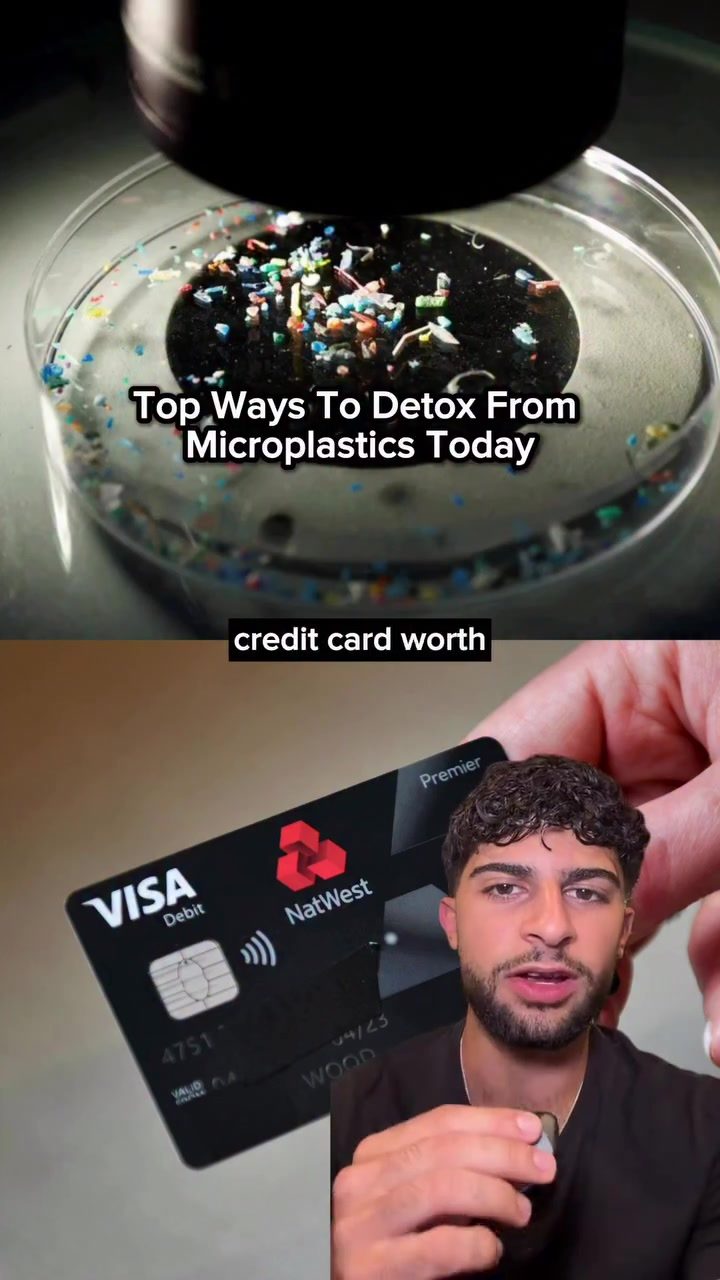
Microplastics Detox: Six Strategies to Reduce Exposure
Microplastics are tiny pieces of plastic that are less than 5 millimeters in size. They are found everywhere, from our oceans to our food and even in our bodies. Reducing exposure to microplastics is a growing concern for many, and there are several practical steps we can take to minimize our intake.
Why This Matters
Microplastics are everywhere, and they pose potential health risks. They have been found in water, food, and even in the air we breathe. While more research is needed to fully understand the long-term effects, reducing exposure is a proactive step towards better health. By adopting simple practices, we can limit our intake and contribute to a cleaner environment.
Main Discussion
1. Stop Drinking From Plastic Water Bottles
Plastic water bottles are a significant source of microplastics. Studies indicate they can contain up to 240,000 nanoplastics per liter. Switching to reusable glass or stainless steel bottles is a straightforward way to reduce your exposure. These alternatives are not only safer but also more eco-friendly.
2. Use a Sauna Regularly
Studies suggest that regular sauna use can reduce microplastics in your blood by up to 93%. This surprising revelation highlights the importance of detoxification methods. Saunas work by inducing heavy sweating, which helps to eliminate toxins, including microplastics, from the body. Incorporating sauna sessions into your wellness routine can be a beneficial and relaxing way to detox.
3. Install a Reverse Osmosis Filter
Reverse osmosis filters are highly effective at removing microplastics from tap water. These filters can remove up to 99.9% of microplastics, making your drinking water much safer. This investment in a filtration system can provide long-term benefits for your health and peace of mind, especially if you're concerned about the quality of your tap water.
4. Ditch the Polyester
Polyester clothing is a notable source of microfibers, which can end up in our water systems and eventually in our food. Each time polyester garments are washed, they can shed up to 700,000 microfibers. Opting for natural fibers like cotton or linen can significantly reduce the amount of microplastics released into the environment. Additionally, using a washing machine filter or a microfiber-catching bag can help trap these fibers and prevent them from entering waterways.
5. Chop on Wood
Plastic cutting boards are convenient, but every cut releases microplastics into your food. Switching to wooden cutting boards can prevent this contamination. Wooden boards are not only safer but also more durable and environmentally friendly. Regularly maintaining your wooden cutting board with proper cleaning and oil treatment ensures it remains a hygienic and effective tool in your kitchen.
6. Use Loose Leaf Tea
Tea bags, especially the plastic-coated ones, can release a staggering number of microplastics. A single plastic teabag can release up to 11 billion microplastics into your cup. Making the switch to loose leaf tea allows you to enjoy your beverage without the added microplastics. Loose leaf tea also offers a richer flavor and more varieties, making it a great alternative for tea lovers.
Additional Tips
-
Avoid Plastic Containers: Plastic containers, especially those designed for food storage, often contain microplastics. Opt for glass or stainless steel containers for storing leftovers and other foods.
-
Eat Fresh: Processed foods often come packaged in plastic, which can leach microplastics into the food. Eating fresh, unpackaged foods reduces your exposure to microplastics.
-
Use a Tea Strainer: If you prefer tea bags, using a metal tea infuser can help reduce the amount of microplastics that end up in your cup. You can also make sure that the bags are fully biodegradable.
Laundry and Microplastics
Washing synthetic fabrics releases microfibers into wastewater. Washing machines without filters can release these fibers into the environment, posing risks to marine life. It's essential to use filters or bags designed to trap microfibers during the washing cycle.
Microfibers in Clothing
Polyester, nylon, and other synthetic fabrics are common sources of microfibers. These materials are widely used in clothing due to their durability and affordability. Opting for clothing made from natural fibers like cotton, wool, and silk can significantly reduce the amount of microfibers released during washing.
Saunas and Detoxification
Saunas have long been recognized for their health benefits, including stress relief, improved circulation, and detoxification. The heat from saunas induces sweating, which helps to eliminate toxins, including microplastics, from the body. Incorporating regular sauna sessions into your wellness routine can be a beneficial practice.
Practical Tips
Maintain Your Sauna
Properly maintaining your sauna is crucial for its effectiveness. Regular cleaning and proper temperature control ensure that your sauna remains a safe and effective tool for detoxification. Ensure you are using your sauna safely by following the manufacturer's instructions and consulting with a healthcare professional if necessary.
Choose Sustainable Fabrics
When shopping for clothing, look for items made from natural fibers. Opting for cotton, linen, and wool can significantly reduce the amount of microfibers released during washing. Sustainable fabrics are not only eco-friendly but also durable and often more comfortable.
Invest in a Quality Filter
Investing in a high-quality reverse osmosis filter can provide long-term benefits. These filters are effective at removing microplastics, ensuring that your drinking water is clean and safe. Regular maintenance and filter replacements are essential to maintain the filter's effectiveness.
Important Takeaways
Reducing microplastic intake is a multifaceted approach that involves changes in daily habits. From choosing the right water bottles to using natural fabrics and investing in a sauna, these steps can significantly reduce your exposure to microplastics. Remember, every small change adds up to a healthier you and a cleaner environment.
Conclusion
Microplastics are a pervasive part of our environment, but there are practical steps we can take to reduce our exposure. By adopting simple practices, such as using a sauna regularly, choosing natural fabrics, and switching to reusable water bottles, we can make a significant difference in our health and the health of our planet. Making these changes not only benefits us individually but also contributes to a cleaner, more sustainable world.
Watch the Reel
Questions readers ask
How do reusable water bottles help in reducing microplastic intake?
Reusable water bottles, especially those made of stainless steel or glass, prevent microplastics from leaching into your drinking water, unlike single-use plastic bottles. By using a reusable bottle, you also reduce plastic waste, contributing to a cleaner environment and minimizing your overall daily plastic reduction.
Can using a sauna regularly help in reducing microplastic intake?
Yes, using a sauna regularly can help the body eliminate toxins, including potential microplastic buildup. Sweating in a sauna promotes detoxification, although it should be noted that this is just one component of a holistic approach to reducing microplastic intake and improving overall health.
What are some effective ways to reduce plastic exposure from food?
To reduce microplastic intake from food, consider the following strategies: choose fresh, whole foods over packaged or processed items, avoid heating food in plastic containers, and use glass or stainless steel containers for food storage. Additionally, opt for tap water instead of bottled water to minimize plastic exposure.
How does microplastic pollution affect our daily lives?
Microplastic pollution affects our daily lives in several ways, primarily through ingestion and inhalation. Microplastics are present in the air, water, and food we consume, making it difficult to avoid them completely. However, adopting simple practices like using reusable items and cleaning up litter can help reduce exposure and contribute to a healthier lifestyle.
Recent articles
Fresh deep dives from the latest Reels we unpacked.




Comments
Be the first to comment.