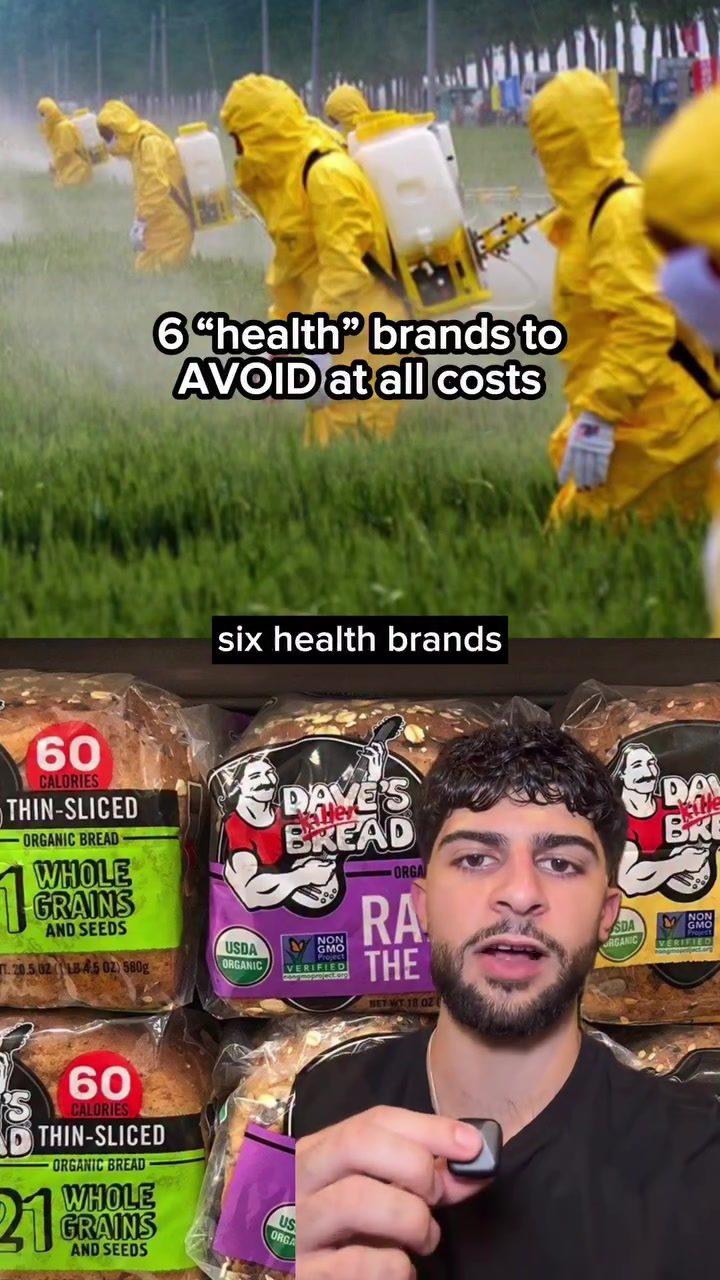
The Truth About Popular "Healthy" Brands
In the world of health-conscious consumers, many brands market themselves as healthy or non-toxic alternatives. However, recent findings suggest that some of these brands may not be as clean or healthy as they claim.
Why This Matters
With the increasing popularity of health and wellness trends, it's crucial to be informed about the products you consume. Many brands prioritize marketing over transparency, which can lead to misinformed purchasing decisions. Understanding the potential contaminants and health risks in seemingly healthy products can help you make better choices for your well-being.
The Six "Healthy" Brands to Avoid
1. Pom
Pom, known for its juices, has been found to contain high levels of herbicides. These chemicals can have adverse effects on health, including increased risk of certain cancers and hormonal disruption. It's important to be cautious of brands that do not disclose their pesticide or herbicide use.
2. Chobani
Chobani, a popular yogurt brand, has been found to contain phthalates in its packaging. Phthalates are chemicals used in plastics and have been linked to various health issues, including reproductive problems and developmental issues in children. When choosing yogurt, opt for brands that use safe, non-toxic packaging materials.
3. Kerrygold
Kerrygold, a well-known brand of butter, has been flagged for PFAS contamination in its packaging. PFAS, or per- and polyfluoroalkyl substances, are commonly used in non-stick cookware and water-repellent fabrics. These chemicals are known to accumulate in the body and have been associated with various health risks, including immune system problems and increased risk of certain cancers.
4. HealthAid Kombucha
HealthAid Kombucha, a brand of fermented tea, has also been found to contain high levels of PFAS in its bottles. Kombucha is often marketed as a health beverage, but this contamination raises concerns about its safety. It's essential to choose kombucha brands that prioritize safe packaging materials.
5. Hello
This fluoride-free, natural toothpaste brand was found to contain high levels of lead in its toothpaste. Lead, a well-known neurotoxin, can be harmful even in small amounts, especially for children. When selecting toothpaste, look for brands that have been thoroughly tested for contaminants.
6. Dave's Killer Bread
Dave's Killer Bread, known for its organic and whole-grain varieties, has been found to contain high levels of glyphosate, a common herbicide. Glyphosate has been linked to various health issues, including cancer. Opt for brands that are transparent about their pesticide use and prioritize organic farming practices.
The Impact of Acquisitions on Health Brands
Many health brands undergo changes in their products when they are bought out by larger corporations. These changes often involve cost-cutting measures that can compromise the quality and health benefits of the products. When a brand is acquired, it's essential to stay vigilant and monitor any changes in ingredients or packaging.
Practical Tips for Choosing Healthier Brands
- Read Labels Carefully: Always check the labels for ingredients, packaging materials, and any certifications (e.g., organic, non-GMO).
- Research Brands: Look for brands with a strong reputation for transparency and quality. Consumer reviews and third-party testing can provide valuable insights.
- Choose Minimally Processed Foods: Opt for whole, minimally processed foods whenever possible. These often have fewer additives and contaminants.
- Support Local and Small-Scale Producers: Small-scale and local producers often prioritize quality and sustainability over mass production and marketability.
Important Takeaways
- Be Informed: Stay updated on the latest findings and controversies surrounding your favorite brands.
- Read Beyond the Label: Understand that marketing claims might not always reflect the truth. Educate yourself on what to look for in products.
- Stay Vigilant: Companies can change their practices, especially after acquisitions. Keep an eye on brands you trust and be ready to seek alternatives if necessary.
Conclusion
Choosing healthy and non-toxic products requires careful consideration and research. By being informed and vigilant, you can make better choices that support your health and well-being. Always prioritize transparency and quality when selecting products, and don't hesitate to seek alternatives if your trusted brands fall short.
Watch the Reel
Questions readers ask
What are some of the contaminants found in popular health brands?
Some popular health brands contain contaminants such as herbicides in Pom juice, phthalates in Chobani yogurt, and PFAS in HealthAid Kombucha. Additionally, Kerrygold butter has been found to contain various contaminants.
Why is it important to be aware of these contaminants in popular brands?
Being aware of these contaminants helps consumers make informed decisions about the products they choose to buy and consume. Many brands prioritize marketing over transparency, so understanding the potential health risks associated with these products is crucial.
What are phthalates and why are they concerning?
Phthalates are a group of chemicals used to make plastics more flexible. They are concerning because they can interfere with hormone function and have been linked to various health issues, including reproductive problems and developmental issues in children.
What are PFAS and how do they end up in health foods and drinks?
PFAS, or per- and polyfluoroalkyl substances, are a group of man-made chemicals used in various products to resist heat, oil, grease, and water. They can end up in health foods and drinks through contaminated ingredients or packaging materials.
How can I find out if a health brand is safe?
To find out if a health brand is safe, look for products that are third-party certified for purity and transparency. Check the brand's website for information about their sourcing and manufacturing processes. Additionally, look for products with clear, recognizable ingredients and avoid those with long lists of chemical-sounding additives.
What are some alternative brands to consider?
When looking for alternatives, consider brands that prioritize transparency and have a strong track record of quality and safety. For example, instead of Pom juice, opt for organic juices or cold-pressed juices from reputable brands. For yogurt, choose brands that are free from added hormones and artificial sweeteners.
How can I stay informed about the health risks associated with popular brands?
Stay informed by following reliable sources of information, such as consumer reports and independent research studies. Additionally, read product labels carefully and be aware of any potential health risks associated with the products you consume.
Recent articles
Fresh deep dives from the latest Reels we unpacked.




Comments
Be the first to comment.