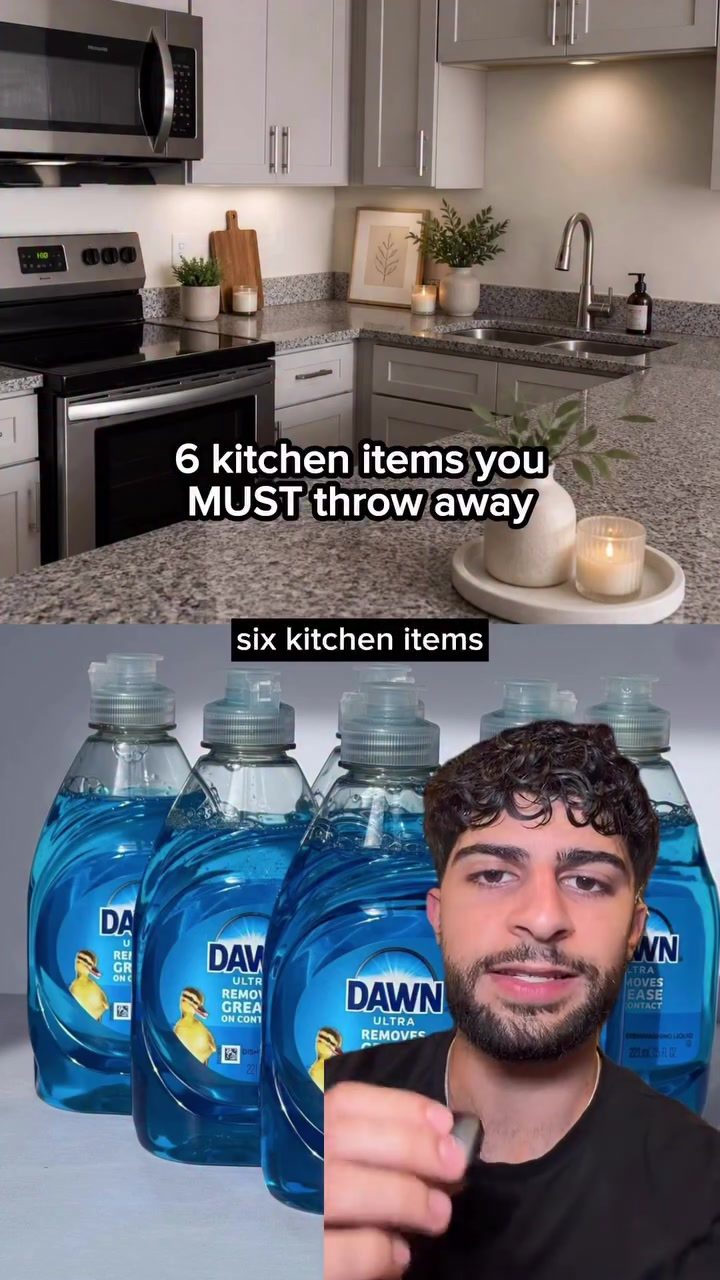
Kitchen Declutter: Six Items to Swap for Non-Toxic Alternatives
When it comes to maintaining a healthy kitchen, the products you use can significantly impact your well-being. Certain common kitchen items may contain harmful chemicals or materials that can leach into your food or environment. Here are six kitchen items to consider replacing with more non-toxic alternatives.
Why This Matters
The kitchen is the heart of the home, and the tools and products you use there can have a profound impact on your health. For instance, certain cooking surfaces and containers can release harmful chemicals into your food. Additionally, cleaning products and utensils can contribute to your overall exposure to toxins. By making strategic swaps, you can reduce your exposure to these harmful substances and create a healthier cooking environment.
Main Discussion
Teflon Pans
Teflon pans have been a staple in many kitchens for their non-stick properties. However, they can release perfluoroalkyl acids (PFAs) into your food when heated. PFAs are linked to various health issues, including liver damage and increased cholesterol levels. Opt for cast iron or stainless steel pans, which are durable and do not leach harmful chemicals.
Synthetic Dish Soap
Synthetic dish soap is convenient, but it often contains artificial fragrances, preservatives, and other chemicals that can irritate the skin and contribute to indoor air pollution. Choose natural dish soaps, which are formulated with plant-based ingredients and essential oils. These soaps are gentler on your skin and the environment.
Plastic Cutting Boards
Plastic cutting boards are common in many kitchens due to their ease of use and low cost. However, they can harbor bacteria and release microplastics into your food. A better alternative is a wooden cutting board, which is naturally antimicrobial and does not leach harmful chemicals.
Seed Oils
Seed oils, such as canola, soybean, and corn oil, are highly processed and often contain trans fats and other harmful compounds. These oils can raise inflammation and lead to various health problems. Consider switching to grass-fed butter or beef tallow, which are more stable when heated and do not contain the same harmful compounds.
Plastic Containers
Plastic containers are convenient for storing leftovers and prepping meals. However, they often contain phthalates and bisphenols, which can leach into your food, especially when heated or exposed to sunlight. Opt for glass containers, which are safe, durable, and do not leach harmful chemicals.
Plastic Sponges
Plastic sponges are another common item in the kitchen, but they can harbor bacteria and release microplastics into your food. Switch to a bamboo dish brush, which is naturally antimicrobial and biodegradable. Bamboo brushes are also durable and easy to clean, making them a practical and eco-friendly choice.
Practical Tips
Choosing the Right Non-Toxic Products
When selecting non-toxic alternatives, look for products that are certified by reputable organizations, such as the Environmental Working Group (EWG) or the Greenguard Certification. These certifications ensure that the products meet stringent standards for safety and environmental impact.
Maintaining Your Kitchen Tools
Proper maintenance of your kitchen tools can extend their lifespan and reduce the need for frequent replacements. For example, wooden cutting boards should be regularly oiled to prevent drying and cracking, and cast iron pans should be seasoned to maintain their non-stick properties.
Storing Food Properly
To minimize exposure to harmful chemicals, store food in glass containers rather than plastic. Glass containers are inert and do not leach chemicals into your food, making them a safer choice for food storage.
Cleaning Your Kitchen
Use natural cleaning products to keep your kitchen clean and free from harmful chemicals. Vinegar, lemon juice, and baking soda are effective natural cleaners that can be used to clean surfaces, counters, and appliances.
Important Takeaways
- Teflon pans release harmful chemicals into your food when heated. Opt for cast iron or stainless steel pans.
- Synthetic dish soap contains artificial fragrances and other chemicals. Choose natural dish soaps.
- Plastic cutting boards harbor bacteria and release microplastics. Use wooden cutting boards instead.
- Seed oils are highly processed and contain harmful compounds. Switch to grass-fed butter or beef tallow.
- Plastic containers contain phthalates and bisphenols. Store food in glass containers.
- Plastic sponges can harbor bacteria and release microplastics. Use a bamboo dish brush.
Conclusion
By making these simple swaps, you can create a healthier and more sustainable kitchen environment. Non-toxic alternatives not only reduce your exposure to harmful chemicals but also contribute to a cleaner and more eco-friendly home. Embrace these changes and enjoy the benefits of a toxin-free kitchen.
Watch the Reel
Questions readers ask
What are some safer alternatives to Teflon pans?
Cast iron, stainless steel, and ceramic-coated pans are excellent alternatives to Teflon pans. These materials are non-toxic and can provide excellent heat distribution and durability. Additionally, they are less likely to leach harmful chemicals into your food during cooking.
How can I identify non-toxic dish soap?
Look for dish soaps that are labeled as plant-based, biodegradable, and fragrance-free. These soaps are less likely to contain synthetic chemicals and fragrances that can cause skin irritation or other health issues. Additionally, opt for brands that are transparent about their ingredients and manufacturing processes.
What should I use instead of a plastic cutting board?
Bamboo and wooden cutting boards are excellent alternatives to plastic. They are sustainable, durable, and naturally antimicrobial. Plus, they are less likely to harbor bacteria and can be easily sanitized with hot water and soap.
Are there non-toxic alternatives to synthetic sponges?
Yes, consider using natural fiber sponges or scrubbers made from materials like cellulose, coconut coir, or loofah. These are biodegradable and free from synthetic materials. Additionally, silicone scrubbers are another great option as they are durable, non-porous, and can be easily sanitized.
Why should I avoid plastic kitchen tools?
Plastic kitchen tools can leach chemicals like BPA and phthalates into your food, especially when exposed to heat. Opting for non-toxic materials like bamboo, stainless steel, or silicone can help reduce this risk. These materials are durable, non-reactive, and often more eco-friendly.
What are the benefits of using fragrance-free dish soap?
Fragrance-free dish soaps are less likely to contain synthetic fragrances, which can be irritating to the skin and respiratory system. They are also a better choice for those with sensitivities or allergies. By using fragrance-free dish soap, you can help minimize exposure to potentially harmful chemicals while still effectively cleaning your dishes.
How can I maintain a healthy kitchen environment?
To maintain a healthy kitchen, opt for non-toxic alternatives for common kitchen items. This includes using non-toxic cookware, cleaning products, and utensils. Regularly clean and sanitize your kitchen surfaces, and ensure proper ventilation when cooking. By making these changes, you can create a safer and more pleasant cooking environment.
Recent articles
Fresh deep dives from the latest Reels we unpacked.




Comments
Be the first to comment.