The Evolution of Portion Sizes: Why Six Fries Might Be a Surprising Portion Today
French fries have long been a staple of fast food and comfort meals. However, the portion sizes served today are vastly different from what they were decades ago. This shift in serving sizes has sparked conversations about healthy eating habits and the impact of portion control on overall health.
Context: The Viral Six-Fries Claim
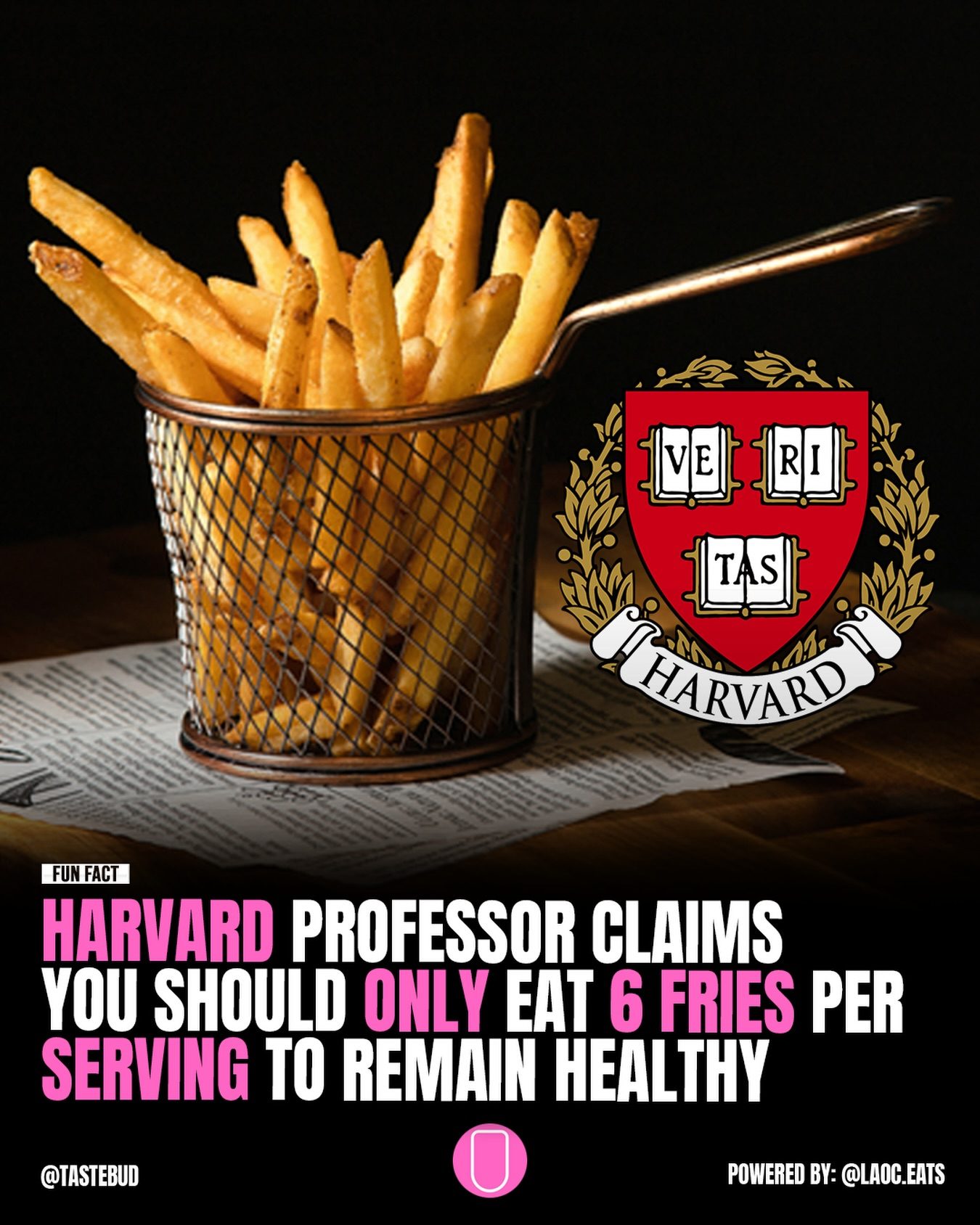
The claim that a Harvard professor suggests eating only six fries per serving has gone viral, sparking a debate about portion sizes and healthy eating habits. The claim, attributed to nutrition expert Eric Rimm, aimed to highlight how portion sizes have grown over time. When a plate arrives piled high with fries, eating a small amount feels unusual because the portion sets the expectation. This phenomenon is often referred to as the "portion distortion," where larger portions become the norm, making smaller servings seem inadequate.
The Evolution of Portion Sizes
Over the past few decades, the serving sizes of many foods, including french fries, have increased significantly. This trend is evident across various types of fast food and restaurant chains. For instance, the average portion size of fries in the 1950s was around 2.4 ounces, whereas today, a typical serving can easily exceed 6.0 ounces. This increase has contributed to the overconsumption of calories, fats, and sodium, all of which can have detrimental effects on health.
The Impact of Large Portions
Health experts emphasize that the real concern is not the occasional indulgence in fries but the habit of regularly eating very large portions. Large portions can lead to overeating, which is linked to obesity, type 2 diabetes, and heart disease. Studies have shown that people tend to consume more when served larger portions, regardless of their actual hunger levels. This is because our brains and bodies have adapted to the idea that larger portions are the standard.
Portion Control and Healthy Eating
Portion control is a crucial aspect of maintaining a balanced diet. It involves being mindful of the amount of food you consume, regardless of the serving size suggested by the restaurant or food packaging. Here are some practical tips to help you practice portion control:
-
Use Smaller Plates and Bowls: Smaller dinnerware can help control portion sizes by making it appear as though you are eating more than you actually are.
-
Pre-Portion Your Snacks: Divide snacks into smaller portions before eating to avoid mindless overeating.
-
Listen to Your Body: Pay attention to your hunger and fullness cues. Eat slowly and stop when you feel satisfied, not stuffed.
-
Avoid Distractions While Eating: Eating in front of the TV or while working can lead to overeating because you are not fully aware of how much you are consuming.
-
Plan Your Meals: Meal planning can help you control portions by ensuring you have healthy, appropriately portioned meals ready to go.
Important Takeaways
The portion sizes of french fries and other foods have increased dramatically over the years, contributing to overeating and related health issues. The claim that a Harvard professor suggests eating only six fries per serving highlights the importance of portion control in maintaining a healthy diet. By being mindful of portion sizes and practicing portion control, you can enjoy your favorite foods while maintaining a balanced and healthy lifestyle.
Conclusion
Understanding the evolution of portion sizes and the impact of large servings on our health is essential for making informed choices about what and how much we eat. Portion control is not about deprivation but about enjoying food in moderation. By focusing on smaller, balanced portions, you can still savor your favorite treats, like french fries, without compromising your health.
Watch the Reel
Questions readers ask
Who is Eric Rimm and why did he mention six fries per serving?
Eric Rimm is a nutrition expert from Harvard. He highlighted the issue of portion distortion by suggesting a single serving of just six fries as a stark contrast to today's typically oversized portions, to help illustrate how portion sizes have grown over time and encourage healthier eating habits.
What is portion distortion and how does it affect us?
Portion distortion refers to the significant increase in portion sizes over the years. This can lead to overeating, as people often consume more than they need when served larger portions. This is linked to weight gain, obesity, and other health issues.
How have portion sizes for french fries changed over time?
Portion sizes for french fries have increased dramatically in recent years. For example, the suggested serving size from the USDA is 10-15 fries, while many fast-food chains serve 20-30 fries in a standard serving. This shows how portion sizes have grown over time.
How can I practice better portion control to avoid overeating?
To improve portion control, start by understanding standard serving sizes and measuring your food accordingly. Use smaller plates and bowls to control serving sizes, and avoid eating straight from the package. Additionally, pay attention to your body's hunger and fullness cues, and eat mindfully to prevent overeating.
Is it really healthy to eat only six fries per serving?
The six-fries suggestion is meant to illustrate portion distortion, not as a strict guideline. While it's not practical to limit to six fries, it's wise to be mindful of portion sizes and limit fried foods. Aim for a balanced diet with plenty of fruits, vegetables, lean proteins, and whole grains.
Related deep dives
Similar reads based on topic and creator.



Recent articles
Fresh deep dives from the latest Reels we unpacked.




Comments
Be the first to comment.