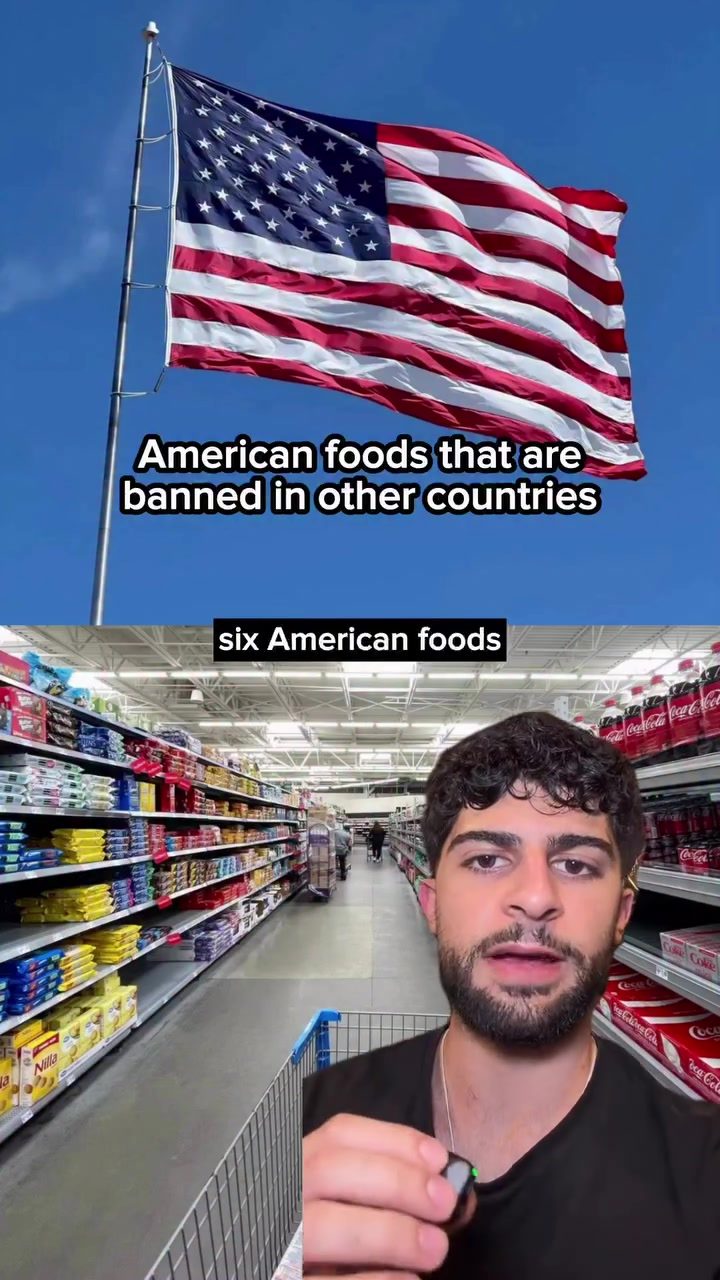
American Foods Banned Abroad
Many American food products contain ingredients that are banned in other countries due to health concerns. These ingredients span a range of popular foods, from snacks to breakfast cereals. Understanding which ingredients are restricted abroad can provide insight into the potential health implications of these commonly consumed American foods.
Why This Matters
The differences in food regulations between countries highlight varying standards of food safety and health concerns. While some ingredients are widely accepted in the U.S., they are prohibited elsewhere due to potential health risks. This discrepancy can influence consumer choices and prompt questions about the safety of everyday foods.
Commonly Banned Ingredients
Yellow Dye 6
Yellow Dye 6 is a common culprit in several American foods banned abroad. This artificial dye is found in products like Kraft Mac and Cheese and Ritz Cheese Crackers. Many European countries have restricted Yellow Dye 6 due to concerns about potential carcinogenic effects and allergic reactions.
Hydrogenated Soybean Oil
Hydrogenated soybean oil, present in Coffee Mate Creamer, is another ingredient banned in some countries. This oil is linked to heart disease and other health issues, leading to its restriction in certain regions.
DPA (Diphenylamine)
American apples are often coated with DPA to extend their shelf life. However, this chemical is banned in other countries due to potential health risks, including the formation of carcinogenic byproducts.
Artificial Dyes
Fruit Loops and other cereal products contain multiple artificial dyes that are restricted in many countries. These dyes, along with Red 40, Yellow 5, and Blue 1, are often linked to health concerns, including hyperactivity in children and potential carcinogenic effects.
Dough Conditioners
Some American bread products use dough conditioners that are also used in yoga mats. These conditioners, often made from azodicarbonamide, are banned in other countries due to potential health risks, including respiratory issues.
Specific Foods and Their Bans
Kraft Mac and Cheese
Kraft Mac and Cheese contains Yellow Dye 6, an ingredient banned in most of Europe. This dye has been linked to potential carcinogenic effects and allergic reactions, leading to its restriction in many countries.
Ritz Cheese Crackers
Similar to Kraft Mac and Cheese, Ritz Cheese Crackers also contain Yellow Dye 6. This dye is restricted in many countries due to health concerns, making these crackers a product of interest for health-conscious consumers.
Coffee Mate Creamer
Coffee Mate Creamer contains hydrogenated soybean oil, which is linked to heart disease. This ingredient is banned in some countries due to its potential health risks, prompting consumers to seek alternatives.
American Apples
American apples are often coated with DPA to extend their shelf life. This chemical is banned in other countries due to potential health risks, including the formation of carcinogenic byproducts.
American Bread
Some American bread products use dough conditioners that are also used in yoga mats. These conditioners, often made from azodicarbonamide, are banned in other countries due to potential health risks, including respiratory issues.
Fruit Loops
Fruit Loops are banned in some countries for containing too many artificial dyes. These dyes, along with Red 40, Yellow 5, and Blue 1, are often linked to health concerns, including hyperactivity in children and potential carcinogenic effects.
Ingredients Banned in the U.S. but Allowed Abroad
While many foods in the U.S. contain ingredients banned abroad, it's also worth noting that some ingredients allowed in the U.S. are restricted in other countries. These include:
- Potassium bromate
- Azodicarbonamide
- Brominated vegetable oil
- Titanium dioxide
- Propylparaben
- Butylated hydroxyanisole (BHA)
- Butylated hydroxytoluene (BHT)
- rBGH (recombinant bovine growth hormone)
- Ractopamine
- Olestra
- Red 40
- Yellow 5
- Blue 1
- Blue 2
- Green 3
These ingredients are often used in various food products and have been subject to scrutiny due to potential health risks. The differing regulations highlight the varying standards of food safety and health concerns across different countries.
Practical Tips
Reading Labels
Consumers can take proactive steps to avoid these potentially harmful ingredients by carefully reading food labels. Look for products that are free from artificial dyes, hydrogenated oils, and other restricted ingredients.
Choosing Alternatives
Opt for natural and organic products when possible. These products are less likely to contain the ingredients banned in other countries and offer a healthier alternative.
Supporting Regulatory Changes
Advocating for stricter food regulations can help ensure that American food products meet higher safety standards. Support organizations that push for better food safety policies and regulations.
Important Takeaways
The differences in food regulations between countries highlight the importance of being informed about the ingredients in commonly consumed foods. By understanding which ingredients are restricted abroad, consumers can make more informed choices about the products they purchase and consume.
Conclusion
The use of certain ingredients in American food products that are banned in other countries raises important questions about food safety and health concerns. By being aware of these restrictions and taking proactive steps, consumers can make healthier choices and advocate for better food safety standards.
Watch the Reel
Recent articles
Fresh deep dives from the latest Reels we unpacked.




Comments
Be the first to comment.